
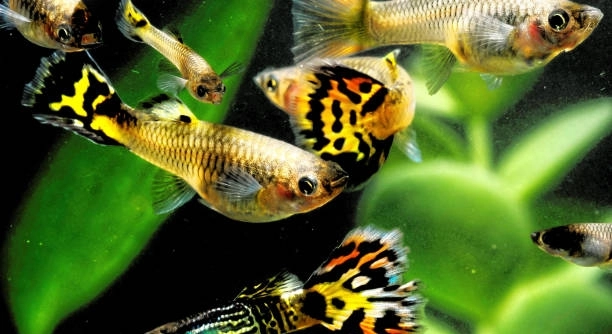
Are your guppy fry looking small and not growing as fast as you hoped, despite your best efforts to care for them?
The most common reason guppy fry do not grow properly is poor water quality. Inadequate nutrition, overcrowding, and lack of proper tank maintenance can also significantly hinder their development and overall health.
Feeding habits, tank conditions, and hidden stressors may all play a role in your fry’s slow growth—let’s look at each one to help you find the cause.
Poor Water Quality
When guppy fry are raised in water that isn’t clean, their growth can slow down a lot. Dirty water can cause stress, which affects their immune system and makes it harder for them to eat and grow. High levels of ammonia, nitrites, or nitrates can be toxic and lead to long-term damage. It’s important to check the water regularly and do small, frequent water changes instead of large ones. Using a filter that suits the size of your tank also helps a lot. Make sure the temperature stays steady and within a good range, usually around 78°F to 80°F. Even a small drop in temperature can slow down their metabolism. When guppy fry feel safe and comfortable in their environment, they’re more likely to eat and grow properly. Water that is too hard or too soft may also affect nutrient absorption. Keeping your water clean should always be a top priority.
Test your water every few days during early growth and adjust anything that seems off.
Clean water supports healthy growth, reduces illness, and helps guppy fry develop steadily. If you’re seeing no progress, test your tank water immediately. Making small changes over time keeps things stable, which is better than big shifts that cause more stress.
Inadequate Nutrition
Fry need more food than adult guppies to support fast growth.
Feeding guppy fry once or twice a day with only one type of food may not be enough. They require high-protein, high-quality meals to grow properly. Crushed flakes alone won’t cut it for long. Try mixing in live baby brine shrimp, microworms, or powdered fry food that is made specifically for young fish. These options give them more of what they need—protein, fats, and important nutrients. Offer small portions multiple times a day instead of one big meal. This mimics their natural eating habits and ensures they’re actually getting the food instead of it sinking too fast. Watch how they react to food and adjust accordingly. If leftovers stay at the bottom, you may be feeding too much. On the other hand, if they eat quickly and seem restless after, they may still be hungry. Keeping an eye on this can help balance their diet and keep their growth on track.
Overcrowding
Overcrowding can cause stress and competition for food, which slows down growth. Guppy fry need space to grow and develop. Too many fry in a small tank can lead to stunted growth, as they fight for resources.
It’s essential to give your fry plenty of room to swim and feed without fighting each other. The recommended tank size for guppy fry is about 2 gallons per 10 fry. When fry are packed too closely together, it can lead to poor water quality as well. If your tank is overpopulated, try separating some fry into another tank to avoid this issue. It’s not just about the size of the tank; filtration and aeration must also be adequate for the number of fish you have.
In addition to physical space, overcrowding can lead to stress-related illnesses. Fish that feel cramped are more likely to develop weakened immune systems, making them more vulnerable to diseases. This affects their ability to grow. Regularly monitoring the number of fry and ensuring they are not overcrowded will keep their growth healthy and consistent.
Temperature Fluctuations
A sudden change in temperature can easily stress guppy fry.
Young guppies are more sensitive to temperature swings than adults. Fluctuations in water temperature can reduce their appetite and slow their growth. Keeping the tank’s temperature stable, usually between 78°F and 80°F, is key to ensuring proper development.
Even minor changes, like a room cooling off at night or a heater malfunction, can cause problems. Fry may refuse food or become lethargic when the temperature isn’t right. To avoid this, use a reliable aquarium heater with a thermometer. If you notice changes in your fry’s behavior, check the water temperature immediately to ensure it remains within the optimal range. It may also be helpful to keep the tank in a room with stable conditions and away from drafts.
Poor Water Flow
If the water flow in the tank is too strong or too weak, it can affect your fry’s growth. Fry need gentle water movement for comfort.
Water that moves too quickly can stress them out and even make it difficult to swim or eat. On the other hand, stagnant water leads to poor oxygen levels and can cause toxins to build up, slowing growth.
To help, consider using a sponge filter or a filter with adjustable flow. This ensures the fry get clean water without the stress of heavy currents. Keep an eye on the water movement and adjust it as needed.
Inadequate Lighting
Fry need a light cycle to help regulate their growth.
If your tank doesn’t get enough light, the fry may not develop properly. A consistent 12-hour light and 12-hour dark cycle will help their metabolism. Excessive or irregular light can also stress the fry.
Ensure the tank has soft lighting that mimics natural daylight. Avoid direct sunlight, as it can cause rapid temperature changes.
FAQ
Why are my guppy fry not eating?
If your guppy fry are not eating, there may be several reasons. First, check the water quality. Poor water conditions can cause stress and decrease their appetite. Ammonia, nitrites, or a fluctuating temperature can also impact their willingness to feed. Secondly, ensure that the food you’re offering is small enough for them to consume. If the food particles are too large or too hard to eat, they might not be able to eat at all. Finally, it’s possible they feel threatened. A high-stress environment, such as aggressive tankmates or too much light, can discourage them from eating.
How often should I feed my guppy fry?
Guppy fry should be fed several small meals throughout the day to support their rapid growth. Generally, feeding them 3 to 4 times a day with small portions ensures they get enough nutrition. Make sure you remove any uneaten food to prevent water contamination. Offering a variety of foods, such as baby brine shrimp, crushed flakes, or specialized fry food, will provide the necessary nutrients. Consistent feeding at regular intervals helps mimic their natural feeding habits and encourages healthy growth.
Can I use regular fish food for my guppy fry?
Regular fish food is not ideal for guppy fry, as it’s often too large or lacks the necessary nutrients they need to grow. Guppy fry require high-protein, easily digestible food to develop properly. It’s better to use food designed specifically for fry, such as powdered fry food or liquid fry food. Live foods like baby brine shrimp and microworms are excellent options as well. These foods are small enough for fry to eat and contain the right balance of nutrients, which are essential for their growth and overall health.
How long does it take for guppy fry to grow?
Guppy fry grow quickly, and under optimal conditions, they can reach adulthood in about 3 to 4 months. However, the rate of growth depends on several factors, including water quality, temperature, food, and tank size. Fry raised in stable, healthy conditions will grow faster, while those in poor water quality or overcrowded tanks may take longer to mature. It’s important to be patient, as each fry develops at its own pace.
Should I separate the fry from adult guppies?
Yes, separating guppy fry from adult guppies is essential. Adult guppies may see the fry as food and could eat them. Fry also need specific conditions that differ from adults, like gentler water flow and different feeding schedules. Keeping them in a separate tank allows for better monitoring of their growth and provides a safe environment. You can either keep them in a separate fry tank or a breeding box inside the main tank.
What temperature is best for guppy fry?
Guppy fry thrive best in water that is consistently between 78°F and 80°F (25°C to 27°C). If the water temperature fluctuates too much, it can cause stress and slow their growth. Use a reliable aquarium heater to maintain a stable temperature. Avoid placing the tank in areas where it may be exposed to drafts, direct sunlight, or temperature extremes.
Can guppy fry live in the same tank as other species?
It’s possible for guppy fry to live with other species, but care must be taken when choosing tankmates. Other fish may view the fry as food or may be too aggressive. Species like shrimp, snails, or small peaceful fish that won’t harm the fry are better choices. It’s important to ensure the tank has hiding spots and plenty of space for the fry to grow safely. Always monitor interactions and be prepared to separate any fish that might pose a risk to the fry.
Why are my guppy fry dying?
If your guppy fry are dying, there are a few possible causes. Poor water quality is one of the most common culprits. Ammonia, nitrites, and nitrates should always be checked to ensure they are within safe limits. Overcrowding and insufficient food are other common reasons for fry death. If the fry are not being fed properly, or if the tank is overcrowded, stress levels can rise and the fry may not survive. Additionally, temperature fluctuations, lack of oxygen, or diseases can contribute to mortality. Regular water testing and consistent care can help prevent these issues.
How do I know if my guppy fry are growing well?
Healthy guppy fry should grow steadily within the first few weeks of life. If they are growing well, they will have visible fins, begin to show their distinct color patterns, and be active swimmers. Their bellies should look rounded, not sunken, which indicates they are feeding properly. Regularly monitor their size and behavior. If they seem lethargic, have visible signs of disease, or are significantly smaller than their tankmates, you may need to reassess their care conditions. Healthy, well-fed fry will grow quickly, so noticeable stunted growth may signal an issue.
Is it necessary to use a filter in a fry tank?
Yes, a filter is important in a fry tank, but it’s essential to use one that has gentle water flow. Strong currents can stress out the fry and make it difficult for them to swim. A sponge filter is a great option because it provides filtration without causing too much disturbance in the water. It also helps maintain water quality by removing waste and uneaten food, both of which can quickly degrade the tank’s conditions. Just ensure the filter intake is covered so fry won’t get sucked into it.
Final Thoughts
Guppy fry growth can be influenced by several factors, and it’s important to ensure that all conditions in their environment are optimal for their development. Water quality should always be the top priority, as poor water can cause stress, affect their immune system, and prevent proper growth. Regular water changes, along with testing for ammonia, nitrites, and nitrates, are necessary to maintain a healthy environment. A filter designed for the fry tank can help keep the water clean without disturbing them with too strong a current. Consistency is key, so keep the temperature stable and ensure there are no sudden fluctuations.
Feeding your guppy fry the right food is just as crucial as water quality. Fry need a high-protein diet to support their rapid growth. Offering a variety of foods, such as live baby brine shrimp or powdered fry food, will provide the right nutrients to help them grow strong. Small, frequent feedings are more effective than one large meal. Overfeeding should be avoided, as uneaten food can degrade the water quality. Watch how your fry respond to their meals and adjust accordingly. It’s important to give them time to eat without stress.
Lastly, ensuring there’s enough space for the fry to grow is essential. Overcrowding can lead to competition for food, increased stress, and poor growth. Providing a tank with enough room to swim freely will help them thrive. Keeping the fry separate from adult fish will also reduce the risk of them being eaten. If you maintain a clean environment, provide the right nutrition, and give your fry space to grow, they will have a much better chance of developing into healthy, adult guppies.

Hello,
If you enjoy the content that we create, please consider saying a "Thank You!" by leaving a tip.
Every little bit helps us continue crafting quality advice that supports the health, happiness, and well-being of pets around the world, for pets of all shapes, sizes, and species.
We really appreciate the kindness and support that you show us!