
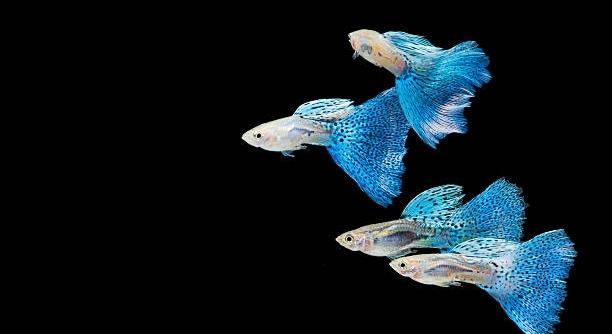
Are your guppies looking a little dull lately, or perhaps not as active as they used to be? Taking care of guppies may seem easy, but their health depends on a few key habits you follow.
To keep guppies healthy, it’s essential to maintain clean water, provide a balanced diet, monitor tank conditions, avoid overcrowding, and ensure low stress levels through stable environments and gentle tank mates.
From tank maintenance to feeding routines, these practical tips will help support your guppies’ health and create a thriving aquatic home.
Keep the Water Clean and Safe
Clean water is the most important part of keeping your guppies healthy. Their tank needs regular care to stay safe and comfortable. Use a good filter to help remove waste and keep the water moving. Change 25% of the water every week to stop harmful substances from building up. Always treat tap water with a dechlorinator before adding it to the tank. Test the water once a week to make sure ammonia, nitrite, and nitrate levels are safe. Stable temperature and pH levels also matter. Guppies do best in water between 74–82°F and a pH around 7. Keep an eye on things so you can fix problems early.
Keep filters clean and avoid overfeeding to help reduce waste. This helps prevent water quality from dropping too fast between cleanings.
When water conditions are off, guppies get stressed and more likely to get sick. Clean water supports their immune system, helps them stay active, and keeps their colors bright.
Feed a Balanced Diet
Feeding your guppies a good diet is just as important as clean water.
Guppies need more than just flakes. Offer a mix of high-quality flakes, freeze-dried or frozen foods like bloodworms or daphnia, and fresh vegetables like spinach or peas. Feeding small amounts two times a day works best. Avoid overfeeding—uneaten food pollutes the tank quickly. Give just enough that they finish in a minute or two. Some variety in the diet supports strong immune systems and better reproduction. Protein helps with growth and energy, while vegetables add vitamins. If you raise fry, add powdered food or baby brine shrimp. A healthy diet keeps your guppies active and colorful, while also helping them live longer. Watch how they respond to foods and adjust based on their needs. Always remove leftover food within a few minutes to keep the tank clean.
Watch for Signs of Illness
Catching signs of illness early can help you treat problems before they get worse. Look for changes like fading color, clamped fins, or loss of appetite. Healthy guppies are active and alert.
Many illnesses in guppies start with small changes. If one fish is hiding more than usual, breathing fast, or has spots on its body, it may be sick. Ich is a common issue that shows up as white dots on the body and fins. Fungal infections might look like cotton patches, while fin rot causes frayed edges. Keep new fish in a separate tank for two weeks before adding them to the main one. Clean water, steady temperature, and good food can help prevent many problems. Act quickly if you notice anything unusual—separating the sick fish may protect the others.
Regular observation makes a big difference. Knowing your guppies’ normal behavior helps you notice when something isn’t right.
Clean the Tank Regularly
Tank cleaning helps remove waste, uneaten food, and other buildup that harms guppies. A clean environment reduces stress and keeps fish healthier. Clean your tank weekly with simple tools like a gravel vacuum and sponge.
Every week, remove about 25% of the water and replace it with treated, clean water. Use a gravel vacuum to clean the bottom without disturbing the fish too much. Scrub algae off the glass with a soft sponge or magnet cleaner. Don’t forget to rinse filter media in old tank water (not tap water) to keep helpful bacteria alive. Avoid deep cleaning everything at once—too much disruption can remove the good bacteria that help keep water safe. Doing small, regular cleanings works better than waiting for things to look dirty.
A simple weekly routine makes a big difference. It helps maintain water balance, lowers disease risk, and creates a safer home for your guppies.
Quarantine New Fish
New fish can carry bacteria or parasites that spread quickly in a healthy tank. Quarantine them for two weeks in a separate tank before adding them to your main setup. This helps keep your guppies safe from illness.
Use a small tank with a filter and heater for the quarantine. Watch the new fish for signs of sickness like spots, odd swimming, or loss of appetite.
Provide Hiding Spots
Hiding spots help guppies feel safe. Use plants, caves, or decorations to create shelter. This reduces stress and gives weaker fish a place to rest.
Guppies often need breaks from brighter lighting or other fish. Live or silk plants work well and don’t damage fins. Spread the hiding places across the tank, so all guppies can use them. They’ll swim more freely and act more natural when they feel secure. Providing cover is also useful if you have fry, since babies need safe spaces to avoid adult fish.
Use a Gentle Filter
Strong filters can push guppies around and stress them. Choose one with adjustable flow or add a sponge over the intake.
FAQ
How often should I feed my guppies?
Feed your guppies twice a day in small amounts. Give only what they can finish in about one to two minutes. Overfeeding causes waste buildup and water problems. If food stays uneaten, remove it quickly. Stick to a routine to keep their digestion healthy and avoid sudden changes in feeding habits.
What is the best tank size for guppies?
A 10-gallon tank is a good starting size for a small group of guppies. This gives them room to swim and keeps the water more stable. Larger tanks are better if you plan to breed or keep other fish with them. A bigger tank also makes it easier to control water quality.
Can guppies live with other fish?
Yes, guppies can live with peaceful community fish. Good choices include mollies, platies, neon tetras, and cory catfish. Avoid fish that nip fins or are too aggressive, like barbs or bettas. Always monitor new tank mates for signs of aggression or stress. Keep an eye on space and feeding needs too.
Why are my guppies hiding all the time?
Hiding can mean stress or illness. It might be caused by poor water quality, cold temperatures, or aggressive tank mates. Check the water parameters and tank conditions first. Make sure they have places to hide, but also watch for signs of disease like faded color or clamped fins.
Do guppies need a heater?
Yes, guppies are tropical fish and need warm water to stay healthy. Use a heater to keep the tank between 74–82°F. Sudden drops in temperature can make them sick or sluggish. A stable temperature helps their metabolism, immunity, and overall energy level.
How long do guppies live?
Most guppies live between 1.5 to 3 years. Good care, clean water, and a balanced diet can help them reach the higher end of that range. Stress, poor water quality, and overcrowding can shorten their lifespan. Breeding guppies may also wear out faster due to added physical strain.
Why are my guppies not eating?
If your guppies aren’t eating, check for stress, illness, or changes in water quality. It could also be due to overfeeding earlier or a dislike for the type of food. Try a variety of options like flakes, frozen, or live food. Make sure water temperature is stable too.
How do I know if my guppy is pregnant?
Pregnant guppies usually have a dark gravid spot near the back of their belly. Over time, their stomach gets rounder and larger. They may become less active and hide more. Pregnancy lasts around 21–30 days, and you may see fry swimming shortly after birth.
Can I keep male and female guppies together?
Yes, but be prepared for breeding. Guppies reproduce quickly. To reduce stress on females, keep more females than males—about two or three females per male. If you don’t want fry, consider keeping only males or removing the fry as soon as they are born.
Why is my guppy swimming weirdly?
Odd swimming might mean stress, poor water quality, or illness. Look for other signs like clamped fins, discoloration, or labored breathing. Double-check the temperature and chemical levels in the tank. A sudden shift in conditions can affect how they move or behave.
How can I tell if a guppy is healthy?
Healthy guppies are active, alert, and have bright colors. Their fins should be open and free of tears or white edges. They should eat regularly and swim smoothly around the tank. Any sudden change in behavior, appearance, or energy level is a sign to look closer.
Final Thoughts
Taking care of guppies is simple once you understand their basic needs. Clean water, a balanced diet, and a stable environment make a big difference in their health. These small fish rely on you to keep their home safe and comfortable. By watching their behavior and keeping a regular care routine, you can catch problems early and help your guppies stay active and bright. It doesn’t take much effort, but consistency matters. Even small steps like testing the water weekly or feeding the right amount can help your guppies live longer and look better.
It’s also important to remember that guppies are living creatures with their own habits and needs. Giving them enough space, choosing gentle tank mates, and creating hiding spots all play a role in keeping them calm and stress-free. Guppies are more likely to thrive when they feel secure in their environment. When the tank is well-managed, you’ll notice your guppies swimming more freely, showing off their colors, and interacting in healthy ways. A peaceful, well-kept tank is more enjoyable to watch and easier to care for in the long run.
Staying consistent with tank cleaning, feeding, and monitoring water quality will help you avoid many common problems. Guppies may be small, but they are sensitive to their surroundings. Things like sudden temperature changes or dirty water can quickly affect their health. That’s why it’s helpful to stick with a regular schedule for maintenance and feeding. Over time, this routine becomes second nature. You’ll get to know your guppies better, notice their patterns, and respond quickly if something seems off. With a little attention and care, you can create a stable, healthy setup where your guppies can live happily.

Hello,
If you enjoy the content that we create, please consider saying a "Thank You!" by leaving a tip.
Every little bit helps us continue crafting quality advice that supports the health, happiness, and well-being of pets around the world, for pets of all shapes, sizes, and species.
We really appreciate the kindness and support that you show us!