
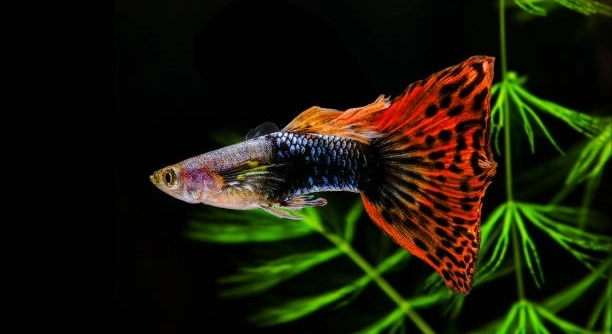
Guppies are active swimmers, but if you notice them swimming faster than usual, it could be due to various reasons. This behavior is common among guppies and may indicate a need for closer attention to their environment.
Guppies may swim faster due to environmental stressors, such as water temperature changes, water quality, or overcrowding. They could also swim quickly when they’re excited, frightened, or exhibiting breeding behavior. Ensuring optimal tank conditions can help manage this.
Understanding these factors will allow you to identify the cause of your guppies’ behavior and help maintain a healthy, balanced environment for them.
Temperature Fluctuations
Water temperature plays a crucial role in guppy behavior. If the temperature fluctuates rapidly, guppies may become stressed and begin swimming faster. Guppies are sensitive to changes in temperature, with their ideal range being 72°F to 82°F. When the water is too cold or too warm, their metabolism speeds up, leading to quicker swimming. This reaction is often a sign that your guppies are uncomfortable and trying to adapt. A reliable aquarium heater can help maintain a consistent temperature, keeping your guppies healthy and calm. Regular temperature checks are essential to avoid unexpected changes that could disrupt your fish’s natural rhythm.
A sudden drop in temperature can make guppies swim fast in an attempt to find a more comfortable zone within the tank. It’s best to adjust the water temperature gradually.
Investing in a thermometer will give you an accurate reading of the water. Keeping the temperature stable will not only reduce stress for your guppies but also enhance their overall health and longevity.
Poor Water Quality
Poor water quality is another reason your guppies might swim faster. High levels of ammonia, nitrites, or nitrates in the water can irritate their gills, causing them to move erratically. Regular water changes and good filtration are essential for maintaining clean water. When guppies experience poor water quality, they may swim quickly or dart around in an attempt to escape the discomfort. Testing the water regularly ensures that harmful substances don’t build up, preventing stress-related behaviors.
Regularly cleaning the tank will reduce the buildup of waste and ensure that your guppies live in a clean environment. Healthy water conditions are critical for their well-being.
Overcrowding in the Tank
Overcrowding can lead to stressed guppies that swim faster. When there are too many fish in the tank, guppies have limited space to move, which can cause agitation and fast swimming. It’s important to monitor the number of guppies in the tank and ensure there is enough space for each fish to swim comfortably. Keeping fewer guppies will promote a more relaxed and healthier environment.
Too many guppies can also lead to competition for food and territory, making them more anxious. The stress can be evident through rapid swimming. If you’re unsure about how many fish your tank can hold, it’s best to refer to the guidelines based on tank size.
A good rule of thumb is to allow one inch of fish per gallon of water. By following this, you’ll ensure that the tank isn’t overcrowded, giving each guppy the space they need. More space helps reduce stress and maintain a peaceful environment.
Excitement or Mating Behavior
Guppies may swim quickly when they’re excited or in mating mode. Male guppies, in particular, will chase females around the tank during breeding. This behavior is more common during certain times of the year when water conditions are ideal for breeding. Fast swimming in this case is part of their natural courtship behavior, and it can sometimes seem like they are swimming frantically.
Both male and female guppies can display this behavior, but males are more likely to dart around, trying to attract attention from females. It’s essential to ensure that your guppies have adequate space during this time to avoid stress. If you notice excessive fast swimming that’s constant, it may be a sign that they’re feeling stressed or overcrowded, and adjustments may be necessary.
If mating becomes too intense, adding plants or decorations can help create hiding spaces where females can escape. This provides them with a place to rest and reduces the speed at which they swim.
Lack of Proper Filtration
If your aquarium filter is inadequate, water quality may suffer, leading to faster swimming in guppies. Poor filtration can allow waste to accumulate, stressing the fish. The buildup of organic material can also cause the water to become cloudy, which may make the guppies swim erratically in search of cleaner areas.
Ensure your filter is the right size for your tank and functioning properly. Regular maintenance, like cleaning or replacing filter media, is key to keeping the water clear. A clean tank with optimal filtration reduces stress and improves the overall health of your guppies.
A properly working filter not only cleans the water but also helps maintain consistent oxygen levels. This stability encourages your guppies to swim more naturally and without added stress.
Hunger or Feeding Time
Guppies often swim faster when they are hungry or anticipating food. They may start darting around the tank as they associate movement with feeding time. Fast swimming in this case is a sign of excitement or a feeding response to food being near.
Guppies are always active and will show excitement when they sense food in the water. Overfeeding or underfeeding can lead to unhealthy behaviors, so it’s important to establish a proper feeding routine. Ensure they are receiving the right amount of food without excess waste.
Illness or Injury
Guppies may swim faster if they are trying to escape from pain caused by illness or injury. If you notice one of your guppies swimming abnormally fast or in circles, it could be a sign of physical distress. This behavior should not be ignored as it might indicate health issues requiring attention.
FAQ
Why are my guppies swimming in circles?
Swimming in circles can be a sign of stress, illness, or a reaction to poor water quality. If your guppies are swimming in circles, first check the water conditions, including temperature and pH levels. If these are not within the ideal range, it can cause erratic behavior. Additionally, certain diseases, like swim bladder disorder, can cause circular swimming. If the water conditions are fine and the behavior persists, it may be a good idea to quarantine the affected guppy and seek treatment.
What does it mean if my guppies are constantly darting around the tank?
Darting around the tank is usually a sign of excitement, stress, or an environmental issue. If the water temperature is fluctuating, the guppies may become agitated. They can also dart when they are hunting for food or when breeding. However, if they are constantly darting with no clear cause, it’s important to check for water quality issues or overcrowding in the tank. These factors can cause guppies to act nervously, constantly moving in quick bursts.
Are fast swimming guppies a sign of illness?
Fast swimming could indicate illness, especially if it’s coupled with other unusual behaviors such as lack of appetite or floating abnormally. Swim bladder issues are one possible cause of rapid swimming, leading the fish to try and adjust their position in the water. It’s important to examine the guppy for any physical signs of disease or distress and monitor their behavior closely. A quick change in water quality or temperature can also contribute to this problem.
Can guppies swim too fast?
While guppies are naturally fast swimmers, excessive speed may indicate a problem. If they seem to be swimming in frantic bursts without resting, it could be a sign of stress, discomfort, or an underlying health issue. Check the tank’s water conditions, look for any signs of aggression or overcrowding, and assess if they’re in a suitable environment. If the behavior continues, consider separating the fish to assess their individual needs.
Why are my male guppies swimming so fast?
Male guppies are known for their quick swimming, especially during mating season. When they are trying to court females, they tend to swim rapidly around them. This behavior is part of their natural courtship ritual, where males show off their vibrant colors and active swimming style to attract females. However, if the behavior continues even when there are no females around, it could be a sign of stress, overcrowding, or poor water quality.
Can guppies swim fast due to hunger?
Yes, guppies can swim faster when they are hungry or anticipating food. They often associate movement in the tank with feeding time and may become excited when they see you or notice food entering the water. While this behavior is normal, it’s important not to overfeed them. Too much food can lead to water quality issues, which may cause more stress and unhealthy behavior.
How can I reduce fast swimming in my guppies?
To reduce fast swimming, start by checking the water quality and making sure it’s within the ideal range for guppies. A consistent water temperature, clean water, and proper filtration are essential. Also, make sure your tank isn’t overcrowded, as this can lead to stress. Providing plenty of hiding spaces and plants will give guppies more room to move comfortably. If the fast swimming persists, it may be a good idea to observe their behavior more closely to identify any potential health issues.
What temperature should my tank be for guppies?
Guppies thrive in water temperatures between 72°F and 82°F. Keeping the temperature within this range helps maintain their health and encourages normal behavior. Sudden temperature changes or extreme fluctuations can cause stress and lead to abnormal swimming patterns. Using an aquarium heater with a thermometer will ensure that the temperature remains consistent, which is essential for keeping your guppies happy and healthy.
Do guppies swim faster when they’re stressed?
Yes, guppies often swim faster when they’re stressed. Stressors such as poor water quality, overcrowding, or changes in the tank environment can make them feel uneasy, causing them to swim rapidly. To reduce stress, make sure the tank is appropriately sized for the number of fish, the water conditions are optimal, and the fish have enough space to move around. If the stress continues, observe your guppies for any signs of disease or injury and take action accordingly.
How can I tell if my guppy is stressed?
Signs of stress in guppies include erratic swimming, hiding more than usual, or staying near the surface of the tank. They may also exhibit rapid breathing or lose their vibrant colors. A stressed guppy might also stop eating or become more aggressive towards other fish. If you notice these signs, it’s important to assess the water quality and ensure the environment is comfortable for your guppies. Stress can weaken their immune system and make them more susceptible to diseases.
Should I be concerned if my guppy is swimming fast all the time?
Constant fast swimming without a clear cause can be a sign that something isn’t right. While guppies naturally swim fast, excessive speed could indicate health problems or environmental stressors. It’s important to check for issues like water temperature fluctuations, poor water quality, or overcrowding. If the behavior persists despite addressing these factors, consider consulting an aquarium expert to rule out diseases or other issues affecting your guppy’s health.
Why do guppies swim so fast after a water change?
Guppies often swim faster after a water change because they are adjusting to the new conditions. Changes in water chemistry, such as pH or temperature, can cause them to swim more quickly as they adapt. This is typically temporary, but if the fast swimming continues, it could be due to an imbalance in the water or other stress factors. Monitor the water parameters carefully after a change to ensure they are within the correct range for guppies.
Is it normal for guppies to swim in fast bursts?
Yes, it’s normal for guppies to swim in fast bursts, especially if they are excited, feeding, or engaging in courtship behavior. Guppies are naturally active and will often dart around when exploring their environment or when they sense food. However, if these bursts become excessive or appear erratic, it could be a sign of stress or illness, and the tank’s water conditions should be checked.
Final Thoughts
Guppies are lively and energetic fish, often swimming quickly due to various reasons such as hunger, excitement, or environmental factors. While fast swimming is usually a normal behavior for these active fish, it’s important to observe any changes in their swimming patterns. If you notice a sudden increase in their speed or erratic movement, it may indicate stress, illness, or poor water quality. It’s essential to assess your tank’s conditions regularly to ensure your guppies are in a comfortable and healthy environment.
Water quality plays a significant role in your guppies’ behavior. Poor filtration, improper temperature, or imbalanced water chemistry can cause your fish to swim faster than usual. Guppies are sensitive to their surroundings, and changes in these conditions can lead to stress or discomfort, causing them to move more rapidly. By maintaining a consistent, clean, and stable environment, you can help reduce stress and support your guppies’ natural behavior. Always monitor the water’s temperature, pH, and filtration system to ensure the best conditions for your fish.
Additionally, understanding the natural behavior of your guppies is key to identifying any underlying issues. These fish are highly active and may swim fast when they are excited or looking for food. However, if the fast swimming persists without an obvious cause, it’s important to check for other factors such as overcrowding, illness, or changes in their tank environment. By paying attention to their behavior and taking the necessary steps to address any problems, you can ensure your guppies remain healthy, happy, and stress-free.

Hello,
If you enjoy the content that we create, please consider saying a "Thank You!" by leaving a tip.
Every little bit helps us continue crafting quality advice that supports the health, happiness, and well-being of pets around the world, for pets of all shapes, sizes, and species.
We really appreciate the kindness and support that you show us!