
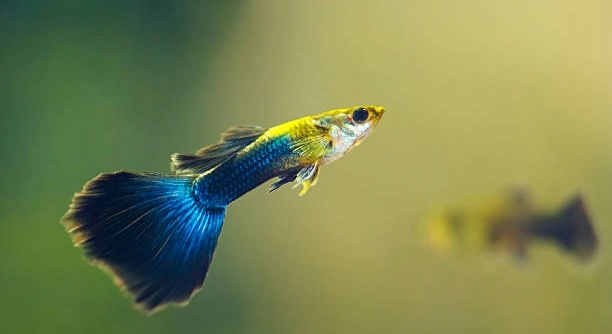
Guppies are a popular choice for aquariums, known for their bright colors and lively nature. However, sometimes they don’t grow as expected, leaving owners puzzled about what might be causing the delay in growth.
The main reason guppies fail to grow properly can be attributed to factors such as poor water quality, improper diet, or stress. These elements can hinder their natural development and prevent them from reaching their full potential.
Several factors affect guppy growth, but understanding the root causes can help improve their well-being and development. Let’s explore what might be influencing your guppies’ growth and how you can make adjustments.
Poor Water Quality
One of the most common reasons guppies may not grow properly is poor water quality. Guppies are sensitive to their environment, and bad water can lead to stunted growth or health problems. Factors like ammonia, nitrites, and low oxygen levels in the tank can slow down their growth. Regular water changes, proper filtration, and maintaining the right water parameters can help keep your guppies healthy and growing at their best. If the water is too dirty or toxic, it will stress your fish and prevent them from thriving.
A simple test kit can help check the levels of ammonia, nitrites, and nitrates. It’s important to keep the water clean, ensuring guppies stay in a stable environment.
To create an ideal environment for growth, water temperature should also be monitored. Guppies thrive in water that ranges from 75°F to 80°F. If the temperature fluctuates too much, it can stress the fish and impact their growth rate. It’s also essential to remove uneaten food from the tank promptly to prevent water contamination. By paying attention to these details, your guppies should grow healthier and more vibrant.
Inadequate Diet
What guppies eat plays a huge role in how fast they grow. A poor or imbalanced diet may lead to malnutrition, which directly affects their growth. Guppies need a varied diet that includes both plant matter and protein sources. High-quality flake food, frozen or live food such as daphnia or brine shrimp, and vegetables like spinach or peas should be added to their diet regularly. These will provide essential nutrients and help promote healthy growth.
When feeding your guppies, ensure you provide the right portion size. Overfeeding can pollute the water, while underfeeding will leave them hungry and malnourished. Striking the right balance is key to their growth.
Overcrowding
Overcrowding can seriously affect the growth of guppies. When too many fish share a small space, they compete for food and oxygen, leading to stress and stunted growth. It’s crucial to ensure your tank has enough room for each fish to thrive.
Guppies need space to swim freely, and overcrowding can lead to poor water quality due to excess waste. When fish are cramped together, the water becomes polluted faster, stressing the fish and impacting their growth. It’s important to follow guidelines for stocking your tank, which is typically one inch of fish per gallon of water. If your tank is too crowded, the stress can weaken their immune systems, making them more vulnerable to disease.
Additionally, crowded tanks often lead to territorial disputes among fish. This constant aggression can result in injuries or the inability of certain guppies to eat properly. Therefore, giving each guppy the space it needs will help them grow more steadily and stay healthy.
Stress Factors
Stress is a silent enemy to guppy growth. Anything that disrupts their peace, like sudden changes in water conditions or constant tank cleaning, can prevent them from growing properly. Guppies need stability to thrive.
Frequent disturbances can be stressful for your fish. This includes loud noises, rough handling, or moving the tank too often. Stress weakens their immune system and disrupts their growth. Ensuring a calm, consistent environment will help your guppies develop at their natural rate. You should also avoid overfeeding or underfeeding, as both can create stress that negatively impacts their health. Properly monitoring water conditions and maintaining a peaceful atmosphere will go a long way in keeping your guppies stress-free and growing steadily.
Inconsistent Water Temperature
Guppies are sensitive to temperature changes. If the water is too cold or too hot, their growth may slow down. It’s important to keep the water temperature stable within the ideal range of 75°F to 80°F.
Extreme fluctuations in temperature stress guppies, which can stunt their growth and lead to illness. Using a reliable heater and thermometer will help maintain the right temperature for your guppies. Avoid placing the tank in drafty areas or near heat sources, as these can cause temperature shifts. A stable environment will support healthy growth and vibrant fish.
Genetics
Genetics play a role in how big and fast your guppies grow. Some guppies are naturally smaller due to their genetic makeup. This can affect their overall development.
Though environmental factors like food and water quality are crucial, you can’t control their genetic potential. Some guppies will reach their full size quicker than others based on their inherited traits. Keeping track of their parents and their growth patterns can give you an idea of what to expect for your guppies’ growth rate.
FAQ
Why aren’t my guppies growing as expected?
Several factors can contribute to your guppies’ slow growth, including poor water quality, insufficient food, overcrowding, and stress. It’s important to ensure that their environment is clean, they have enough space, and their diet is well-balanced. Additionally, genetics can play a role in how quickly they grow. Pay attention to their water conditions and offer them a variety of high-quality foods for optimal growth.
How do I know if the water quality is affecting my guppies?
You can check the water quality by testing for ammonia, nitrites, and nitrates. High levels of these chemicals can indicate poor water quality, which is harmful to your guppies. When the water quality is compromised, guppies can become stressed, lose their appetite, or even develop health issues. Regular water changes and filtration can help maintain clean water. If you’re noticing slower growth, it’s a good idea to check your water parameters and adjust them accordingly.
What is the ideal water temperature for guppies?
Guppies thrive in water temperatures between 75°F and 80°F (24°C – 27°C). If the water is too cold or too hot, guppies can become stressed, which may slow down their growth or cause health problems. Using an aquarium heater with a thermometer will help you maintain a stable temperature. Sudden temperature changes can also stress the fish, so make sure to avoid placing the tank near drafty windows or heat sources.
How can I prevent overcrowding in my guppy tank?
To prevent overcrowding, it’s important to follow the recommended stocking guidelines. A general rule is one inch of fish per gallon of water. Guppies are small, but they still need space to swim and grow. Overcrowding can lead to poor water quality and stress, which will hinder their growth. Make sure to regularly monitor the fish population in your tank and consider upgrading to a larger tank if necessary.
What should I feed my guppies for proper growth?
Guppies need a varied diet to ensure they get all the nutrients they need. High-quality flake food designed for tropical fish is a good base, but you should also include live or frozen foods like brine shrimp, daphnia, or bloodworms. You can also feed them blanched vegetables such as spinach or peas. Make sure to feed them small amounts multiple times a day instead of one large feeding to keep the water clean and ensure your guppies get enough to eat.
Can stress affect the growth of my guppies?
Yes, stress can significantly affect the growth of guppies. When guppies are stressed, their immune system weakens, and they may not grow as fast. Factors like sudden changes in water conditions, overcrowding, and aggressive tank mates can cause stress. Ensuring a peaceful environment, stable water parameters, and avoiding sudden disturbances will help keep your guppies calm and support their healthy growth.
Why are my guppies not breeding?
If your guppies are not breeding, it could be due to factors like stress, improper water conditions, or an imbalance in the male-to-female ratio. Ensure the water temperature is between 75°F and 80°F, and the water quality is good. Also, try to maintain a 2:1 ratio of females to males to avoid stress caused by aggressive males. Stress, poor diet, and overcrowding can also prevent guppies from breeding successfully. Make sure the tank is suitable for breeding and that the females have enough hiding spots to avoid harassment.
Do guppies need special care to grow properly?
While guppies don’t require special care, they do need a stable and healthy environment. Providing proper water conditions, a balanced diet, and adequate space will help them grow. Regular water changes, proper filtration, and temperature control are essential. Pay attention to their behavior, and if you notice signs of stress, such as loss of color or inactivity, it’s time to check their water quality and make any necessary adjustments.
What size tank do guppies need to grow properly?
Guppies need enough space to swim and grow. A minimum of 10 gallons is recommended for a small group of guppies, but larger tanks are always better. A larger tank allows for better water quality and more space for the fish to move around. Overcrowding can stress your guppies, making it harder for them to grow and stay healthy. Ensure your tank has proper filtration and is large enough to accommodate the number of guppies you have.
How can I tell if my guppies are healthy?
Healthy guppies are active, colorful, and have smooth, clear skin. If your guppy is sluggish, has faded colors, or seems to be hiding, it might be stressed or unwell. Look for any signs of disease, such as white spots on the skin, clamped fins, or swollen bellies. Make sure the water is clean and they are getting the right food. If you notice any changes in their behavior or appearance, it’s time to check their environment and health more closely.
Can guppies grow too fast?
Guppies generally grow at a steady pace, but if they are growing too quickly, it could be a sign of water quality problems or overfeeding. Rapid growth can put stress on their bodies, which could lead to health problems in the long term. Ensure that you are feeding them a balanced diet and maintaining clean water. If you notice unusually fast growth, check for any imbalances that could be affecting their health.
Final Thoughts
Guppies are relatively easy to care for, but their growth can be affected by several factors. From water quality to diet, temperature, and even the tank’s size, each element plays a role in how quickly and healthily your guppies grow. By paying attention to these factors, you can create the best environment for your guppies to thrive. It’s important to keep their habitat stable, clean, and free of stress to allow them to grow at their full potential. If you notice slow growth or changes in behavior, it’s worth examining the water quality, the food they are getting, and whether the tank is overcrowded.
One of the most common reasons guppies don’t grow properly is poor water conditions. Ammonia, nitrites, and low oxygen levels can have a direct impact on their development. Regular water changes and proper filtration are key in maintaining a clean environment. Additionally, the water temperature must be stable, as fluctuations can stress guppies and cause growth problems. Checking the water parameters frequently and adjusting them as necessary will help ensure your fish stay healthy and grow at an optimal rate. Keeping your guppy tank clean and monitoring water conditions is the best way to support their long-term health and growth.
A balanced diet is equally important. Guppies require a variety of foods, including high-quality flake food, protein-rich live or frozen food, and plant matter. Overfeeding or underfeeding can both cause issues, so it’s important to give them the right amount of food. Stress from overcrowding, poor tank mates, or constant changes can also prevent guppies from growing properly. By ensuring your guppies have enough space, a healthy diet, and a stable environment, you’ll be able to help them grow strong and vibrant. Keep an eye on their behavior and health, and take action if you notice anything unusual.

Hello,
If you enjoy the content that we create, please consider saying a "Thank You!" by leaving a tip.
Every little bit helps us continue crafting quality advice that supports the health, happiness, and well-being of pets around the world, for pets of all shapes, sizes, and species.
We really appreciate the kindness and support that you show us!