
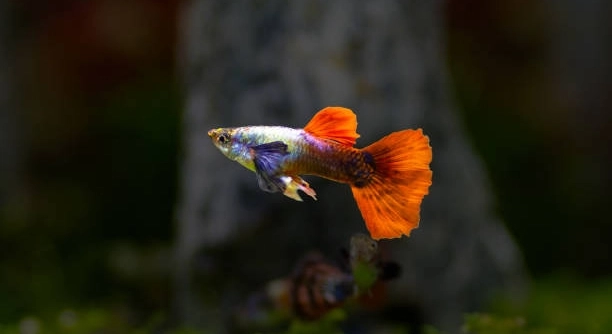
Guppy fry are delicate creatures, and as a new guppy owner, it can be heart-wrenching to see them pass away. Understanding the possible causes can help you provide better care and increase their chances of survival.
Guppy fry can die for various reasons, including poor water quality, improper temperature, overfeeding, or the presence of harmful chemicals. These factors, along with other environmental and health issues, can all contribute to their sudden demise.
By addressing these key factors, you can significantly reduce the risk of fry dying and create a healthier environment for them to thrive. Keep reading to discover the common causes and how to prevent them.
1. Poor Water Quality
Water quality is one of the most significant factors in guppy fry survival. If the water isn’t clean or properly maintained, it can harm the fry. Guppy fry are sensitive to changes in their environment, so any fluctuations in the water can stress them out, making them more vulnerable to diseases.
Contaminants such as ammonia, nitrites, and nitrates can quickly build up in the tank and lead to fatal conditions for the fry. It’s essential to perform regular water changes and keep a close eye on the tank’s filtration system. Without proper filtration, waste will accumulate, further harming the fry.
Even though the water looks clean to the naked eye, harmful substances can still be present. Testing the water regularly will help ensure the levels of toxins are within safe limits for your guppy fry. Make sure to use a reliable water conditioner if necessary and avoid overstocking your tank, as it can quickly lead to water quality issues.
2. Incorrect Temperature
Fry need a stable, warm environment to thrive, as temperature fluctuations can severely affect their health. If the water is too cold, guppy fry may become lethargic or even die. Too much heat can cause them stress, leading to health problems.
Maintaining a consistent water temperature between 75°F and 80°F is ideal for guppy fry. Use an aquarium heater with a thermometer to keep the temperature stable. Ensure your tank doesn’t experience sudden temperature drops, as this can cause shock and reduce the fry’s chances of survival.
In addition to temperature stability, it’s important to keep an eye on the temperature after water changes or tank cleanings. Cold water can shock the fry if added too quickly, so always make sure new water is at the same temperature before introducing it to the tank.
3. Overfeeding
Overfeeding is a common mistake that many new guppy owners make. If you feed your fry too much, leftover food can pollute the water, causing harmful bacteria to grow. This can lead to poor water quality, which is detrimental to their health.
Feeding fry small amounts two to three times a day is enough. Guppy fry can’t process large amounts of food at once, and any excess will just sit in the tank, decaying and causing water quality issues. It’s better to underfeed than overfeed.
Make sure to remove any uneaten food after 10 to 15 minutes. This will help maintain water cleanliness and prevent any build-up that could harm the fry. Watch for any signs of excess feeding, like cloudy water or foul smells.
4. Stress and Aggression
Guppy fry can easily get stressed, especially in a tank that’s too small or overcrowded. Stress weakens their immune system and makes them more susceptible to diseases. If there’s any aggression from adult guppies or other tankmates, it can also harm the fry.
To reduce stress, ensure that the fry have plenty of space to swim. Overcrowding is a serious issue for small fry, and they need room to move around. If possible, separate adult fish from fry to avoid unwanted aggression. Keep the tank environment peaceful by limiting the number of fish.
A peaceful tank with minimal disturbances will help the fry feel secure, leading to healthier and stronger fish. Additionally, placing hiding spots like plants or decorations in the tank can give fry a sense of security from other fish.
5. Poor Nutrition
Guppy fry require the right nutrition to grow and stay healthy. If they aren’t getting the proper food, they may weaken and die. Ensure they’re fed with high-quality fry food, like powdered flakes or baby brine shrimp, which meet their specific nutritional needs.
Feeding them the wrong type of food, like adult guppy food, won’t provide the right nutrients and can lead to poor growth or health issues. Always choose food that is designed for fry, and remember to feed small, frequent meals that they can easily digest.
6. Presence of Chemicals
Chemicals, whether from the water conditioner, medications, or other products, can be toxic to guppy fry. Even a small amount of chlorine or other harmful chemicals in the water can be fatal. Make sure you always use water conditioners and additives that are safe for fry.
Always double-check the ingredients of any chemicals you use in the tank. Be mindful of cleaning products as well, as residues can contaminate the water. A good water testing kit will help you detect any harmful chemicals in the tank before it becomes a problem.
7. Infections and Diseases
Guppy fry are more vulnerable to infections and diseases, especially in poor water conditions or when stressed. Bacterial and fungal infections can quickly spread if the tank is not cleaned regularly, leaving fry weak and susceptible. Regularly monitor your fry for any signs of illness.
If you notice any unusual behavior, such as a decrease in activity or physical symptoms like white spots or fin rot, it’s important to treat the fry promptly. Make sure to isolate sick fry to prevent the infection from spreading to others in the tank.
Taking care of guppy fry can be both rewarding and challenging. They are delicate and require careful attention to ensure they grow into healthy adult fish. By providing the right environment and monitoring their needs, you can significantly increase their chances of survival. Water quality, temperature, nutrition, and a stress-free environment are all key factors in raising strong guppy fry. If you notice any signs of distress, it’s important to act quickly to address the issue, as fry are particularly vulnerable to changes in their surroundings.
Consistency is crucial when caring for guppy fry. Regular water changes, proper feeding schedules, and maintaining a clean tank are all necessary to keep your fry healthy. Keeping an eye on their behavior and physical appearance can give you early warning signs of any potential problems, allowing you to intervene before the situation becomes critical. It’s also essential to be patient and provide them with time to grow and develop at their own pace, as each fry may reach maturity at different speeds.
While it can be frustrating to lose a fry, it’s important to remember that this is a part of the process. Not all fry will survive, even in the best conditions. However, by following best practices and ensuring they have a suitable environment, you will improve the chances of your fry thriving. With experience, you’ll learn what works best for your specific setup and can adjust accordingly. Raising guppy fry takes time and care, but it can also be a satisfying experience that teaches you about fishkeeping and the needs of these tiny, vibrant creatures.

Hello,
If you enjoy the content that we create, please consider saying a "Thank You!" by leaving a tip.
Every little bit helps us continue crafting quality advice that supports the health, happiness, and well-being of pets around the world, for pets of all shapes, sizes, and species.
We really appreciate the kindness and support that you show us!