
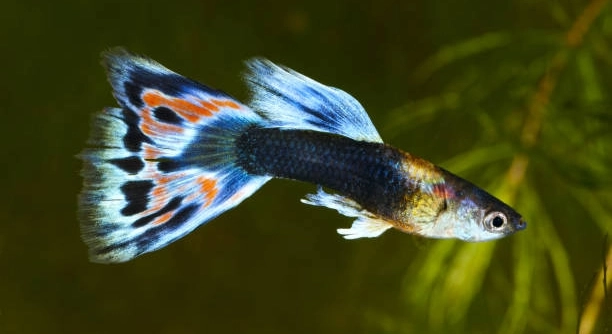
Do you ever find yourself watching your guppies glide through the tank and wonder why they always seem to stick together?
Guppies swim in schools primarily as a defense mechanism. By grouping together, they reduce the chances of being singled out by predators. Schooling also helps them find food more efficiently and improves their chances of survival.
While it may seem like simple fish behavior, schooling is a complex and important part of guppy life that affects how they eat, interact, and stay safe.
Safety in Numbers
When guppies swim in schools, they make it harder for predators to target a single fish. Predators often rely on isolating one fish to catch, but a group moving quickly in different directions can confuse them. This instinct to stay close is a survival trait passed down through generations. Guppies don’t need to think about it — they just do it. In the wild, this behavior can be the difference between life and death. Even in home aquariums, where threats are limited, guppies still form schools. It’s part of their natural behavior and helps them feel secure. A lone guppy may become stressed or anxious without the group around. Swimming together also helps them conserve energy, making each movement more efficient. It’s not just about protection — schooling helps them thrive in more than one way. Watching this behavior in your tank shows how instinct shapes even the smallest creatures.
Staying in a group helps guppies avoid danger by confusing predators and increasing their chances of survival.
Even without threats, guppies rely on their instincts. Schooling reduces stress, helps with movement, and keeps them calm. It’s a built-in behavior that keeps them safe and helps them feel balanced in their environment.
Better Feeding Opportunities
Guppies swimming in groups can find food more easily because they cover more space and alert each other to new food sources.
In a school, guppies have more eyes searching for food at once. This increases their chances of spotting flakes, pellets, or live food floating through the water. Once one guppy finds food, others quickly follow. This shared behavior ensures more fish get a chance to eat before the food disappears. Guppies also learn from each other during feeding. If a group gathers around a certain area, a nearby guppy might assume food is there too and swim over. This behavior helps guppies survive in nature, where food can be limited and competition is high. In a tank, it means that shy or less dominant guppies still get to eat when part of a school. Feeding time becomes less about competition and more about group awareness. It’s not only efficient but helps reduce stress during feeding.
Communication and Social Bonds
Guppies use their schooling behavior to stay connected and understand each other better. Their movements help signal changes in the environment, such as nearby food or sudden motion in the water, helping the group respond quickly and in sync.
Living in a group allows guppies to form social bonds that reduce stress and create a sense of safety. These connections are not based on emotions like humans, but more on routine, familiarity, and shared actions. When guppies swim together regularly, they become more in tune with each other’s behavior. If one changes speed or direction, the rest follow smoothly. This coordination isn’t random — it’s built from trust in the group and shared instinct. In a home tank, guppies that live and swim together often show calmer behavior and are less likely to hide or act aggressively. It creates a more stable environment for everyone in the tank.
This kind of group awareness helps guppies navigate their space more effectively. When moving together, they avoid bumping into each other, reduce conflict, and create a balanced flow. Watching them shows how they learn from each other’s habits. It’s a quiet system of signals, movements, and responses that keep the group steady and the fish more relaxed overall.
Breeding and Reproduction
When guppies swim in schools, they increase their chances of finding mates. Males and females often stay close to one another, which leads to more opportunities for pairing during the breeding cycle.
Guppies breed often, and schooling helps support this by keeping males near females consistently. In a group, males display their fins and perform small swimming dances to attract females. When females are surrounded by multiple males, they can choose who to mate with based on color, strength, and movement. This helps promote healthy reproduction. Group living also protects baby guppies, or fry, for a short time. In dense schools, it’s harder for adults or other fish to focus on the small fry, giving them a better chance at survival. While not all guppies will make it, a schooling environment supports higher birth rates and safer conditions for new fry in both tanks and the wild.
Energy Conservation
Swimming in a group helps guppies use less energy. When they move together, they follow the flow created by others, which makes swimming smoother and easier for each fish. This helps them stay active longer without getting tired quickly.
The reduced resistance in water means guppies don’t need to work as hard. This saved energy can then go toward growth, breeding, and staying alert. Over time, this makes a big difference in their health and survival, especially in the wild where food and rest can be limited.
Navigation Support
In new or unfamiliar spaces, guppies rely on their group to stay oriented. Swimming together helps them figure out where to go and when to avoid obstacles. If one guppy senses danger or finds shelter, others quickly follow. It keeps the group safe and helps them adapt more easily.
Stress Reduction
Being part of a group helps guppies feel more at ease. When surrounded by others, they feel less exposed and more protected, which lowers their stress levels significantly.
FAQ
Do guppies always swim in schools, even in home aquariums?
Yes, guppies almost always swim in schools, even in tanks. It’s part of their natural behavior. They feel safer when they are surrounded by others. In the wild, schooling helps protect them from predators. In a tank, it helps reduce stress. If you see a guppy swimming alone for long periods, it might be a sign of illness or stress. It’s best to keep at least 4–6 guppies together, so they can stay active, social, and comfortable. Even when food and safety aren’t an issue, guppies will still group together because it’s instinctual.
Can guppies school with other types of fish?
Guppies may swim near other peaceful fish, but true schooling usually happens only with their own kind. Schooling requires shared signals and behaviors. Guppies understand each other through subtle movements that other fish might not pick up on. That said, they can still coexist peacefully with many species, like tetras, mollies, or platies. But for real schooling to happen, it’s best to have other guppies in the tank. Without them, a guppy might still stay close to other fish but won’t show the same level of coordination or connection.
How many guppies should I keep to encourage schooling?
To see natural schooling behavior, keep at least 4 guppies together. Six or more is even better. The larger the group, the more secure they feel. A small group makes them feel exposed and uncomfortable, especially in open tanks. They may hide or become inactive if there aren’t enough around. When guppies have others to swim with, they stay more playful and alert. Also, a balanced male-to-female ratio (about one male to two females) helps reduce stress and keeps the group calm, especially during breeding times.
Do male and female guppies school differently?
Male and female guppies do swim together, but their behavior can be slightly different. Males are often more active and may chase females, especially during breeding periods. Females may school more tightly with each other to avoid being chased too much. In larger groups, this behavior becomes more balanced. When there are enough females, the males spread their attention around, and schooling behavior becomes more organized. Overall, both sexes benefit from schooling, though their roles within the group may vary based on numbers and tank conditions.
Why is one of my guppies not swimming with the others?
A guppy swimming alone may be stressed, sick, or feeling threatened. Check the water quality, temperature, and tank mates. Illness or poor health can make a guppy isolate itself. Sometimes, new guppies take a little time to join the group. If the guppy continues to stay away, observe its eating habits and swimming pattern. It may need a separate tank for treatment. Guppies are social and prefer to be around others, so consistent isolation usually means something is wrong.
Do baby guppies school like adults?
Baby guppies, or fry, do not school as tightly as adults right away. They may stay near plants or hide for safety. As they grow, they begin to swim more with others and eventually join the adult school. Schooling becomes more noticeable when they’re a few weeks old. In tanks with hiding spaces, fry have a better chance of surviving and growing into healthy, social guppies. Keeping them in a peaceful environment helps them develop normal behaviors, including schooling.
Is schooling only about protection?
No, while protection is a major reason, schooling also helps guppies find food, breed, and stay healthy. It lowers stress, improves movement, and helps them communicate. It’s a natural part of how they live. In the wild and in tanks, this behavior supports their survival in many small but important ways.
Final Thoughts
Guppies are small, colorful fish, but their behavior has a lot of meaning behind it. One of the most important things they do is swim in schools. This isn’t just a random habit — it helps them stay safe, find food, and live more comfortably. Even in home aquariums, where there are no predators, guppies still follow this instinct. It shows how deep these natural patterns run. Watching a group of guppies swim together can be calming, and knowing the reason behind it gives you a better understanding of their needs.
Keeping guppies in groups is more than just a way to fill up your tank. It’s an important part of their health and happiness. When guppies are in a school, they feel more secure and show more natural behavior. They eat better, interact more, and are less likely to hide or become sick from stress. If you’re caring for guppies, giving them a school to swim with is one of the best things you can do for them. It helps them grow, live longer, and stay active. A single guppy kept alone can become sad, stop eating, or lose energy. These little signs show how much they rely on each other.
Understanding why guppies swim in schools can also help you improve their care. It helps you choose the right number of fish, set up the tank better, and spot when something seems off. A strong, active group is a sign that your guppies are doing well. If they start to scatter or one stays alone, it might be time to check the water, feeding habits, or overall tank environment. These small changes in schooling behavior can be early warnings. In the end, guppies do better when they are not alone. They may be tiny, but they depend on each other in many ways. By keeping them in groups and paying attention to how they swim, you’re giving them a life that’s closer to what they’d have in the wild — safe, balanced, and connected.

Hello,
If you enjoy the content that we create, please consider saying a "Thank You!" by leaving a tip.
Every little bit helps us continue crafting quality advice that supports the health, happiness, and well-being of pets around the world, for pets of all shapes, sizes, and species.
We really appreciate the kindness and support that you show us!