
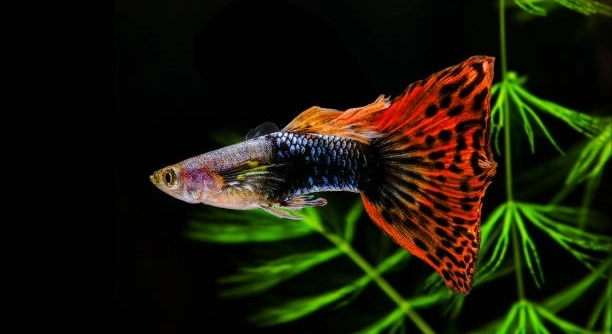
Keeping guppies active is key to their well-being. These small fish enjoy an energetic environment that keeps them moving and healthy. It’s important to create the right setting to encourage their natural behaviors.
To maintain active guppies, provide them with a varied environment including tank mates, stimulating plants, and interesting decorations. Regular water changes, varied diet, and ensuring appropriate tank conditions will also contribute to their overall vitality.
There are simple ways to ensure your guppies stay active and healthy. By following these strategies, your fish can thrive in a lively and engaging environment.
Create an Engaging Environment with Decorations
One of the best ways to keep your guppies active is by adding decorations to their tank. Guppies love to explore and hide, so including plants, rocks, and other tank ornaments can provide them with plenty of stimulation. Live plants are particularly beneficial as they create hiding spots and also serve as natural sources of oxygen for the tank. Guppies will swim around these plants, using them for cover and hunting for food that might get stuck in the leaves. Try to add a variety of decorations that offer different spaces for your guppies to explore, making sure there’s enough open swimming space too.
Adding decorations can enhance the physical environment of the tank. With the right setup, guppies feel more secure and active. A good mix of plants and ornaments encourages them to move around more, reducing stress.
When designing your tank, keep in mind that overcrowding decorations can make the space too cramped. Guppies need space to swim freely, so try to strike a balance between hiding spots and open areas for them to roam.
Provide Tank Mates to Encourage Movement
Tank mates can encourage your guppies to swim more. Guppies are social fish, and adding other peaceful fish can prompt them to interact. When placed with compatible species like tetras or mollies, guppies will become more active. They often swim together, creating a lively atmosphere in the tank.
Tank mates can mimic natural school behavior, making guppies feel safer and more confident. This group dynamic can keep them constantly moving and exploring. However, it’s important to choose peaceful fish that won’t bully your guppies. Avoid aggressive species that might cause stress.
Besides social benefits, a variety of fish adds to the overall visual appeal of the tank. They can interact in ways that stimulate your guppies to swim and explore more. Keep in mind that the more peaceful and active the tank mates, the more engaged your guppies will be.
Provide a Varied Diet
Guppies need a balanced, varied diet to stay healthy and active. Offering a mix of high-quality flakes, live food, and frozen food will keep them interested. A variety of foods ensures they get the nutrients they need while stimulating natural hunting behaviors.
Feeding guppies different types of food, like brine shrimp, daphnia, and bloodworms, encourages them to actively search for and chase after their meals. This gives them the exercise they need while also providing essential vitamins and minerals. Make sure to remove any uneaten food to keep the water clean.
Avoid overfeeding your guppies as this can lead to health problems. Keep portion sizes small and feed them multiple times a day in small quantities. This will help prevent obesity while keeping them active and engaged.
Maintain Water Quality
Water quality directly impacts guppy activity levels. Poor water conditions can cause stress, leading to sluggish behavior and health issues. Regular water changes, proper filtration, and monitoring water parameters like pH and temperature are essential for maintaining an active guppy tank.
Stagnant water can also reduce the oxygen levels in the tank, making it harder for guppies to swim energetically. Keeping the water clean and well-filtered helps prevent this issue. Perform regular water changes, ensuring the tank stays clear of toxins like ammonia and nitrites. A clean environment promotes better health and higher activity levels in guppies.
Maintaining a stable temperature between 72-82°F (22-28°C) will keep your guppies comfortable. Sudden fluctuations can stress them out. Keeping the water temperature consistent and ensuring proper filtration will help maintain a healthy, active environment.
Use Proper Lighting
Lighting plays a major role in guppy activity. Guppies are naturally more active during the day when there is bright light, so providing proper lighting mimics natural day-night cycles. A consistent light schedule helps regulate their behavior, encouraging them to swim and explore.
Ensure the lighting is not too harsh, as it can cause stress. Use a light with an adjustable timer to mimic natural daylight. A light cycle of 10-12 hours a day is ideal for guppies. This will keep them active and help maintain a healthy environment.
Keep the Tank Spacious
Guppies need space to swim freely. A cramped tank can lead to stress, making them sluggish and inactive. Giving them plenty of room encourages natural movement and helps keep them engaged. Ensure the tank is large enough for the number of guppies you have.
Overcrowding your tank with too many fish can lead to competition for space and food. This can result in lethargy and stress. Always ensure your guppy tank has adequate swimming space for each fish.
Offer Swimming Challenges
Incorporating obstacles like water currents or floating objects can challenge your guppies to swim more. Guppies naturally love to navigate through different environments, and a bit of resistance can get them moving. Use air stones or gentle water pumps to create current and encourage swimming.
Changing the layout of the tank occasionally can also make it feel like a new environment for your guppies. This will trigger curiosity and increase their activity. Just be careful not to make the current too strong, as it may stress them out.
FAQ
How often should I change the water in my guppy tank?
Water changes are crucial for keeping your guppies healthy and active. You should change 25-30% of the tank water every week. This helps remove toxins, such as ammonia and nitrates, that can accumulate. If your tank is heavily stocked or has high organic waste, you may need to change the water more often. Regular changes prevent the buildup of harmful substances, ensuring that your guppies have a clean environment to thrive in.
What water temperature is best for guppies?
Guppies are tropical fish and thrive in water temperatures between 72°F and 82°F (22°C-28°C). Keeping the water in this range promotes healthy activity levels and supports their immune system. Too cold or too warm water can stress them out, making them sluggish or inactive. It’s a good idea to use a heater and a thermometer to monitor the temperature consistently, especially during colder months.
Can I keep guppies with other fish?
Yes, guppies are peaceful and social fish that can live with many other species. However, it’s important to choose compatible tank mates. Smaller, peaceful fish like mollies, platies, and tetras are good choices. Avoid aggressive species that might bully or stress out your guppies. It’s best to keep tank mates that match the guppies’ energy level and care requirements. Having other fish in the tank can also help keep your guppies active and engaged.
How can I tell if my guppies are stressed?
Stressed guppies may display behaviors like hiding, swimming erratically, or staying at the bottom of the tank. They might also have faded colors, clamped fins, or appear to be gasping for air. Stress in guppies can be caused by poor water quality, overcrowding, unsuitable tank mates, or sudden temperature changes. If you notice any of these signs, take action immediately to correct the issue. Providing a calm environment with good water quality can help reduce stress.
How do I know if I’m overfeeding my guppies?
Overfeeding is a common issue for guppy owners. Signs of overfeeding include excess food floating in the tank, cloudy water, and uneaten food collecting at the bottom. Guppies are small fish, and their stomachs are equally small, so feed them only what they can consume within a few minutes. Remove any leftover food to avoid water contamination. Feeding them multiple small meals throughout the day, rather than one large meal, will help prevent overfeeding.
Can guppies live in a tank without a filter?
While it’s possible for guppies to live in a tank without a filter, it’s not recommended. A filter helps maintain water quality by removing toxins and ensuring proper oxygen levels. Without a filter, the water will quickly become polluted, leading to an unhealthy environment for your fish. If you don’t use a filter, you’ll need to perform more frequent water changes to keep the tank clean. It’s best to use a small, quiet filter that won’t disturb the guppies too much.
Do guppies need a lot of space?
Guppies do best in a tank that gives them plenty of room to swim. A 10-gallon tank is the minimum size recommended for a small group of guppies. The more space you provide, the more active and comfortable they will feel. Overcrowding can lead to stress and reduced activity, as they won’t have enough room to swim freely. A larger tank with a balanced number of fish will allow them to engage in natural behaviors like exploring and interacting with each other.
What kind of decorations should I put in a guppy tank?
Guppies love a tank with plenty of hiding spots and objects to swim around. Live plants are excellent for providing cover and oxygen while giving them areas to explore. You can also add artificial plants, rocks, or small decorations like caves. Just make sure the decorations are smooth and free of sharp edges that could harm their delicate fins. Adding plants and decorations encourages guppies to stay active, as they enjoy swimming through plants and investigating new areas.
Are guppies easy to breed?
Yes, guppies are known for being easy to breed. They are livebearers, meaning they give birth to live young rather than laying eggs. Guppies will breed in a community tank if there are males and females present. To encourage breeding, keep a ratio of one male to two or three females. The females can give birth to a large number of fry (baby guppies), so it’s important to have plenty of plants or hiding spots to protect the babies from adult fish. Providing a separate breeding tank can help increase the survival rate of the fry.
How long do guppies live?
Guppies typically live for about 2 to 3 years, though some can live longer with proper care. Their lifespan can be influenced by factors like water quality, diet, and living conditions. Keeping their environment stable and healthy will help them live their full lifespan. Regular water changes, proper temperature, and a balanced diet are essential for extending their life expectancy.
What can I do if my guppy is not eating?
If your guppy is not eating, it could be a sign of stress, illness, or poor water quality. First, check the water parameters like temperature, pH, and ammonia levels to ensure the tank is clean and stable. If the water quality is fine, try offering different types of food, such as live or frozen options. If your guppy continues to refuse food, it may be sick, and you should isolate it in a hospital tank for observation. If the problem persists, consider consulting a vet or a fish specialist.
Final Thoughts
Keeping guppies active is essential for their overall well-being. When guppies are active, they are more likely to stay healthy and live longer. Creating an environment that encourages movement and exploration can help you achieve this. Simple adjustments like adding decorations, creating space for swimming, and maintaining clean water can make a big difference. The more active your guppies are, the more likely they are to exhibit natural behaviors, which means they’ll stay happier and healthier.
Diet and tank mates are other important factors in keeping your guppies engaged. A varied diet keeps them excited about feeding time and gives them the nutrients they need. Pairing them with peaceful, active tank mates can also encourage movement, as guppies are social creatures. By ensuring that your guppies have food that challenges them to search and interact, you provide them with the mental and physical stimulation they need. Adding fish that share similar temperaments can make the tank environment more dynamic and lively, which keeps your guppies active.
Lastly, paying attention to water quality and the overall environment in your tank is vital. Regular water changes, proper filtration, and appropriate lighting can help maintain a healthy, stable habitat. Stress, caused by poor water quality or overcrowding, can significantly reduce your guppies’ activity levels. By following these basic principles and understanding their needs, you can ensure that your guppies remain active, happy, and healthy for years to come.

Hello,
If you enjoy the content that we create, please consider saying a "Thank You!" by leaving a tip.
Every little bit helps us continue crafting quality advice that supports the health, happiness, and well-being of pets around the world, for pets of all shapes, sizes, and species.
We really appreciate the kindness and support that you show us!