
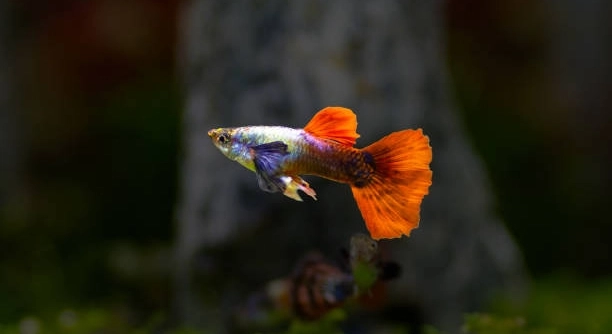
Guppy fry are delicate and require special care to thrive. One of the most common concerns is when they refuse to eat. Understanding why this happens will help you address the issue and support their growth.
Guppy fry may stop eating due to various reasons, such as poor water quality, stress, or an improper diet. These factors can affect their health and appetite. Identifying the cause is crucial to solving the problem.
By learning about these potential causes, you can take steps to ensure your guppy fry are healthy and well-fed. This will improve their chances of growing into vibrant adult fish.
1. Poor Water Quality
If the water in the tank isn’t clean, it can affect your guppy fry’s health and appetite. Fry are very sensitive to changes in water quality, and polluted water can lead to stress, which causes them to stop eating. Ammonia, nitrates, and nitrites should be closely monitored to ensure your fry’s environment is safe. You should test the water regularly to maintain a healthy balance of these chemicals.
Over time, poor water quality can also lead to diseases, which may further prevent the fry from eating. These conditions are stressful and can result in them refusing food. A simple water change can sometimes fix the problem, but it’s important to keep up with maintenance to prevent future issues.
When water quality is good, the fry will be much more likely to eat. Clean water promotes a stress-free environment, allowing them to thrive and enjoy their food. Make sure the temperature, pH, and hardness are also within acceptable ranges.
2. Incorrect Water Temperature
Fry are very sensitive to temperature changes. If the water is too cold or too warm, they may lose their appetite and refuse food. For guppy fry, the ideal water temperature is between 76-80°F (24-27°C).
Water that is too cold can slow down their metabolism, making them less likely to feed. On the other hand, water that is too hot can cause them stress and discomfort, which will also reduce their appetite. Always ensure that the water temperature remains stable by using an aquarium heater if necessary. Fry are more likely to be active and eat when they are comfortable.
Even slight fluctuations in water temperature can impact their feeding habits. Keep a thermometer in the tank to monitor the water and avoid sudden changes. A steady, optimal temperature will encourage the fry to eat and grow.
3. Poor Diet or Incorrect Food
Feeding guppy fry the wrong type of food can lead to them refusing to eat. Fry require very fine, nutrient-rich food that matches their small size. If they are offered food that is too large or difficult to eat, they won’t be able to consume it. This can cause frustration, leading them to stop eating altogether.
High-quality fry food that contains essential nutrients such as protein and omega-3 is crucial for their development. You can feed them powdered fry food, liquid foods, or finely crushed flakes. Some fry may also eat baby brine shrimp or daphnia. It’s essential to vary their diet to ensure they receive all the necessary nutrients.
If you notice that your fry aren’t eating, try changing the food or offering smaller portions more frequently. Sometimes, they simply need a bit of variety or a change to something more palatable. Make sure their food is always fresh and not overfed, as uneaten food can contaminate the water and cause further issues.
4. Stress from Tankmates
Sometimes, the presence of other fish can stress out your guppy fry. Larger fish or overly aggressive tankmates can make fry feel threatened, leading to a loss of appetite. Stress is a major factor in their reluctance to eat.
To help them eat, ensure that the fry are in a peaceful environment with tankmates that are not too large or territorial. If there are aggressive fish in the tank, it may be necessary to move the fry to a separate tank where they feel safe.
Another way to reduce stress is by providing plenty of hiding spaces for the fry, such as plants, decorations, or breeding boxes. A calm environment will encourage the fry to eat and grow.
5. Overcrowding
Overcrowding can affect guppy fry’s feeding habits. Too many fish in a small tank can lead to competition for food, causing some fry to miss out. It can also lead to poor water quality, which we already know impacts appetite.
If you notice your fry aren’t eating, overcrowding might be the cause. When there are too many fry or other fish in the tank, it can be hard for the little ones to get enough food. A crowded environment increases stress levels, making it even harder for the fry to focus on eating.
To fix this issue, consider moving some of the fry to a separate tank or reducing the number of fish in the tank. A less crowded space gives fry a better chance to find food and eat without constant competition.
6. Illness or Disease
Fry that are sick may stop eating as they try to conserve energy to heal. Common illnesses such as parasites or bacterial infections can affect their appetite. Watch for signs like lethargy or unusual swimming behavior.
If you suspect illness, it’s important to isolate the fry and start treatment right away. Disease can spread quickly, so keeping the affected fry separate helps protect others. Treat the tank water with appropriate medication to address any infections.
Proper care and hygiene can help prevent disease outbreaks. Always monitor water quality and avoid overcrowding to minimize stress, which weakens their immune system.
7. Age or Development Stage
Guppy fry go through different stages of development, and their feeding habits can change as they grow. Newborn fry may not eat immediately because they are still adjusting to their environment.
As they mature, their appetite will likely increase, and they’ll begin to eat more varied foods. Be patient as they adapt and grow, offering them appropriate-sized food for their stage. Fry typically begin feeding on their own after a few days, once their yolk sac is absorbed.
Adjust the type and frequency of food to match their growth and development to support healthy progress.
FAQ
Why are my guppy fry not eating after being born?
Newborn guppy fry typically don’t eat immediately after birth because they are still absorbing nutrients from their yolk sac. This stage can last for up to 48 hours. It’s normal for them to not show interest in food right away. Once they finish absorbing the yolk, they will start actively searching for food.
After this initial stage, provide fine foods such as powdered fry food or liquid food designed for newborns. This will ensure they get the nutrients they need. Keep water conditions stable, as environmental stress can delay their feeding.
What should I do if my guppy fry won’t eat?
If your guppy fry are not eating, check the water quality first. Poor water conditions, such as high levels of ammonia or fluctuating temperatures, can make them reluctant to feed. It’s also important to assess their food. Offering food that’s too large or inappropriate for their size may cause them to refuse it.
Make sure the food you’re offering is suitable for their stage of development. You can try different types of fry food, such as liquid or powdered formulas. Ensure the fry are in a stress-free environment with minimal disturbance from tankmates.
Can guppy fry eat regular fish flakes?
While adult guppies can eat regular fish flakes, they are not suitable for fry. Regular flakes are too large for their tiny mouths and might not provide the proper nutrients for their growth. Fry need food that is finely powdered or in liquid form to match their small size.
There are specialized foods available for guppy fry, including powdered foods and baby brine shrimp, which are more appropriate for their development. Make sure to provide small portions to prevent water contamination and keep it fresh.
How often should I feed my guppy fry?
Guppy fry should be fed small amounts of food multiple times a day. At least 3-4 feedings per day is ideal. Overfeeding can lead to water contamination, so it’s essential to only offer small amounts that they can consume in 5-10 minutes.
As they grow, you can gradually increase the portion size and frequency of feedings. Keep in mind that fry will still require nutritious foods, like baby brine shrimp or specialized fry food, to support their development.
Can guppy fry eat baby brine shrimp?
Yes, baby brine shrimp is an excellent food option for guppy fry. It provides the necessary protein and essential nutrients that help with their growth. However, make sure the brine shrimp is finely hatched to match the small size of the fry.
To offer brine shrimp, use a hatchery or purchase ready-made shrimp from the pet store. The fry will thrive on this diet, especially when they are at the stage where they need more substantial nutrition than powdered fry food alone.
Why are my guppy fry swimming strangely or at the top of the tank?
If your guppy fry are swimming at the top of the tank or swimming erratically, this could indicate an issue with water quality. High ammonia levels or a low oxygen content can stress the fry and affect their swimming behavior.
Check the water parameters, including ammonia, nitrites, and oxygen levels. Adding a small sponge filter will help with aeration and water movement. Ensure the fry are not overcrowded and have enough space to swim comfortably.
Do guppy fry need special lighting?
Guppy fry don’t need special lighting, but a light cycle of 12-14 hours of light and 10-12 hours of darkness is recommended. Proper lighting helps regulate their biological clock and promotes healthy growth.
Avoid harsh, direct lighting, as it can stress the fry. A soft, natural light or aquarium light will suffice. Ensure the tank is placed in an area free from intense sunlight, as this can cause rapid temperature changes.
How long can guppy fry survive without food?
Guppy fry can survive without food for a short period, usually around 1-2 days. However, this is not ideal, as they are growing quickly and need constant nutrition for healthy development.
It’s essential to feed them multiple small meals per day to promote proper growth. Missing feedings can slow down their growth rate and make them more susceptible to health issues. If you’re going on vacation, consider an automatic feeder or have someone else feed the fry for you.
How do I know if my guppy fry are growing well?
Healthy, growing guppy fry will be active and show a consistent increase in size. Their body shape should be round and full, not thin or shriveled. If they are eating well and swimming normally, they are likely growing at a good pace.
Monitor their behavior and size every few days. If you notice any fry that are significantly smaller or seem lethargic, there may be an issue with their environment or diet. Adjusting water quality, temperature, and food can help improve their growth rate.
Can I feed guppy fry vegetables?
Guppy fry can eat small amounts of finely grated vegetables such as spinach, peas, or zucchini. However, they should not be the main part of their diet. Fry need protein for proper growth, so offer vegetables as a supplement rather than the primary food.
Vegetables can help with digestion and offer additional nutrients. Make sure the vegetables are finely chopped or pureed to match the fry’s tiny mouths. Remove any uneaten vegetables after a few hours to prevent them from polluting the water.
Final Thoughts
Caring for guppy fry can sometimes be challenging, especially when they aren’t eating. It’s important to remember that there are many reasons why fry might refuse food, ranging from water quality to stress or even their developmental stage. Each of these factors can impact their appetite, so it’s essential to pay attention to all aspects of their environment. Keeping the water clean, monitoring the temperature, and providing the right food are key steps in ensuring that your fry grow up healthy and strong.
It’s also helpful to stay patient. Guppy fry are very delicate, and it can take time for them to adjust to their surroundings. Sometimes, fry may not eat for a couple of days, especially right after birth, as they’re still absorbing nutrients from their yolk sac. Over time, as they mature, their eating habits will change, and they’ll begin to actively seek out food. As long as their environment is stable and they have access to suitable nutrition, they should eventually start eating.
If your guppy fry continue to refuse food, don’t hesitate to check for other potential issues. Overcrowding, tankmates, or diseases can also play a role in their feeding behavior. Taking quick action, such as adjusting water quality, isolating the fry if necessary, or introducing new types of food, can help resolve the problem. Remember, each guppy fry is unique, and a little trial and error might be needed to find the right solution. With proper care, your fry will grow into healthy adult guppies.

Hello,
If you enjoy the content that we create, please consider saying a "Thank You!" by leaving a tip.
Every little bit helps us continue crafting quality advice that supports the health, happiness, and well-being of pets around the world, for pets of all shapes, sizes, and species.
We really appreciate the kindness and support that you show us!