
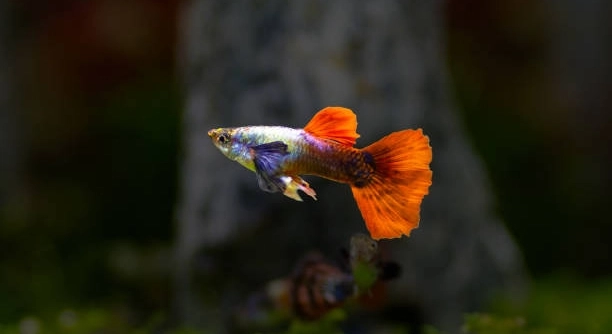
Guppies are small, lively fish that make popular pets. However, when you notice your guppy breathing fast, it can be worrying. Understanding why this happens is important to keep your guppy happy and healthy.
The main reasons for your guppy breathing fast could be poor water quality, temperature stress, or lack of oxygen. It can also be caused by diseases, overfeeding, tank overcrowding, or environmental changes. Proper care helps prevent this issue.
By recognizing the signs early, you can take simple steps to improve their environment. This can prevent further health issues and keep your guppy swimming happily. Let’s explore these causes in more detail to help your fish thrive.
Poor Water Quality
Dirty water is one of the main reasons your guppy may be breathing quickly. Fish need clean, well-maintained water to thrive. If the water in the tank has too much ammonia, nitrites, or nitrates, it can cause stress. This happens when waste from food, fish, and plants builds up over time. Poor filtration or not performing regular water changes can make the problem worse.
Regularly testing the water will help you track its quality. If you notice high levels of ammonia or other harmful substances, make changes immediately. This can include doing partial water changes or adding a filter to help clean the tank. Keeping the water clean ensures that your guppy remains healthy and free from stress caused by bad water conditions.
To keep your tank clean, try changing 25% of the water every week. Using a water conditioner can also help remove harmful substances. Pay attention to water temperature and pH levels, as they can also influence your guppy’s health. Clean water is essential for their well-being.
Temperature Stress
Guppies are tropical fish, and they prefer warm water. If the temperature in their tank fluctuates too much or falls outside the ideal range, they may start breathing rapidly. Guppies thrive in temperatures between 75°F and 82°F (24°C to 28°C). Anything too cold or hot can cause stress and make breathing faster.
A heater with a thermostat can help maintain a stable water temperature. Sudden temperature changes, such as from a water change or a draft, can also cause your guppy to react by breathing faster. Be mindful of your guppy’s environment and avoid placing the tank near windows or air conditioning units.
To make sure the water stays at the right temperature, use an aquarium thermometer to monitor it regularly. This ensures that your guppy has a consistent, comfortable environment to swim in. It will also help keep them calm and reduce the chances of rapid breathing.
Lack of Oxygen
If your guppy is struggling to get enough oxygen, it may breathe faster to compensate. Low oxygen levels can occur if there are too many fish in the tank or if the water is stagnant. Guppies need oxygenated water to stay healthy, and a lack of it can cause stress and rapid breathing.
To improve oxygen levels, ensure proper filtration and water movement. An air pump or filter can help circulate water and bring more oxygen into the tank. Make sure your tank has enough surface area for oxygen exchange. A well-oxygenated environment is vital for your guppy’s health.
Consider adding live plants to your tank, as they naturally produce oxygen. Additionally, avoid overcrowding the tank to ensure that there is enough oxygen for each fish. Providing a well-ventilated environment will help keep your guppy comfortable and reduce rapid breathing.
Overfeeding
Overfeeding is a common issue that can lead to fast breathing in guppies. When you feed your guppy too much, uneaten food decays in the water, leading to poor water quality. This waste buildup can make the water toxic and cause your guppy to breathe faster as it struggles to get oxygen.
To avoid this, only feed your guppy what it can eat in a few minutes. Remove any uneaten food after feeding to prevent it from decaying and polluting the water. Overfeeding can also contribute to obesity in guppies, making them sluggish and stressed.
It’s important to feed your guppy a balanced diet of high-quality flakes or pellets. A proper feeding schedule, along with regular water changes, will keep the water clean and your guppy healthy. Keeping track of how much food you give your fish can prevent overfeeding and the related stress.
Tank Overcrowding
When there are too many fish in a tank, your guppy may struggle to breathe normally. Overcrowding reduces the oxygen levels and increases waste, which can cause stress and rapid breathing. The fish have less space to move and access clean, oxygen-rich water.
It’s important to follow the general rule of one inch of fish per gallon of water. This ensures that each fish has enough space and oxygen. Consider upgrading your tank size or removing some fish if overcrowding becomes an issue. Maintaining the right balance will help your guppy thrive.
Illness or Infection
Illness or infection can cause your guppy to breathe quickly. Infections like swim bladder disease or gill parasites can interfere with their normal breathing. If your guppy shows other symptoms like lethargy, loss of appetite, or clamped fins, it may be sick.
If you suspect your guppy is ill, isolate it in a quarantine tank. Consult with a vet who specializes in fish for proper diagnosis and treatment. Early intervention is key to ensuring that your guppy recovers quickly. Proper care and a healthy environment can prevent many common fish diseases.
Sudden Environmental Changes
Your guppy’s fast breathing could be a result of sudden environmental changes. Anything from a temperature drop to a new tank setup can stress your fish. This stress can lead to faster breathing as they try to adjust to the changes.
To reduce the impact of environmental changes, try to make changes gradually. For example, acclimate your guppy slowly to new water conditions. Avoid moving the tank or changing water temperature too quickly. A stable environment will help your guppy stay calm and breathe normally.
FAQ
Why is my guppy breathing fast but acting normal?
If your guppy is breathing faster than usual but still behaving normally, it could be due to slight changes in its environment. A small fluctuation in water temperature, oxygen levels, or even minor stress factors can cause this. Keep an eye on water quality, and ensure there is proper filtration. Sometimes, your guppy may also be adjusting to a change, like a new tank mate or slight adjustments in its habitat. If the fast breathing persists or worsens, it may be a sign to investigate further.
How can I tell if my guppy is stressed?
Stress in guppies is often displayed through rapid breathing, hiding, loss of appetite, or unusual swimming patterns. Stress can be caused by water quality issues, sudden temperature changes, overcrowding, or aggressive tank mates. Look out for any of these signs to determine if your guppy is under stress. It’s essential to act quickly to resolve the issue before it impacts their health further. Make sure the tank environment is stable and that your fish have enough space and oxygen to thrive.
Can overfeeding cause my guppy to breathe fast?
Yes, overfeeding can lead to poor water quality, which can stress your guppy and result in rapid breathing. Leftover food decomposes and releases harmful substances like ammonia into the water, reducing oxygen levels and causing stress. This poor water quality can trigger your guppy to breathe faster. To prevent this, feed your guppy small amounts of food that it can consume in a few minutes. Remove any uneaten food after feeding, and maintain regular water changes to keep the tank clean and safe.
What is the ideal water temperature for guppies?
Guppies thrive in water temperatures between 75°F and 82°F (24°C to 28°C). If the water is too cold or too hot, it can stress your guppy and lead to faster breathing. It’s important to maintain a stable temperature and avoid drastic changes, as this can cause stress. A reliable aquarium heater with a thermostat can help regulate the temperature. Use an aquarium thermometer to monitor the water and ensure it stays within the ideal range for your guppy.
Why is my guppy breathing fast after a water change?
After a water change, your guppy may breathe faster as it adjusts to the new water conditions. If the water temperature or pH levels differ significantly from the previous water, this can cause stress. Make sure to match the new water’s temperature and pH with the tank’s conditions before adding it. Rapid changes in water parameters can shock your guppy and make it breathe faster. Gradually acclimate your fish to the new water to avoid this issue.
Can my guppy get sick from fast breathing?
Fast breathing in guppies can be a sign of an underlying illness or infection. Diseases like swim bladder disorder, gill parasites, or other respiratory infections can cause rapid breathing. If your guppy is showing other signs, such as lethargy, loss of appetite, or clamped fins, it’s crucial to isolate it and treat the infection. A visit to a fish vet or aquatic expert will help diagnose and treat the condition. Early intervention is key to preventing further health issues.
How can I improve oxygen levels in my tank?
Improving oxygen levels is crucial to prevent your guppy from breathing fast. You can increase oxygen by adding a filter or air pump to your tank. These devices help circulate the water, ensuring it stays well-oxygenated. Additionally, consider adding live plants, as they release oxygen into the water. It’s also important to avoid overcrowding the tank, as too many fish consume a lot of oxygen, leaving less for each one. Regular water changes help maintain a healthy oxygen level and reduce stress on your fish.
How do I prevent my guppy from becoming stressed?
To prevent stress in your guppy, ensure it has a clean and stable environment. Regular water changes, a properly functioning filter, and monitoring water parameters like temperature, pH, and oxygen are essential. Avoid overcrowding, as this can reduce space and increase competition for food and oxygen. Additionally, make sure your guppy has compatible tank mates that aren’t too aggressive. A peaceful and well-maintained tank will keep your guppy calm and healthy.
Is it normal for guppies to breathe fast when they are pregnant?
Pregnancy can cause a slight increase in breathing rate for guppies. As their bodies work harder to carry and develop the fry, they may experience minor changes in their respiration. However, if your pregnant guppy is breathing rapidly and showing signs of distress, it could indicate other issues such as poor water quality or stress. Keep the water clean and make sure she has plenty of space. If the rapid breathing continues, it’s essential to investigate further to rule out any health problems.
Can a dirty tank cause my guppy to breathe fast?
Yes, a dirty tank can cause rapid breathing in guppies. As waste accumulates in the water, harmful chemicals like ammonia and nitrites build up, lowering the oxygen level and stressing your fish. This can cause your guppy to breathe quickly. Regular cleaning, water changes, and proper filtration are vital to maintain a healthy tank. Keep your guppy’s environment clean to prevent stress and ensure optimal health.
How can I tell if my guppy is having trouble breathing?
If your guppy is having trouble breathing, it will likely exhibit signs such as gasping at the surface, rapid gill movement, or a slower swimming pace. Other signs of distress can include clamped fins or unusual behavior. If you notice these symptoms, check the water quality, temperature, and oxygen levels. Additionally, keep an eye out for any other signs of illness or infection. If the issue persists, consider isolating your guppy and seeking medical advice from a fish expert.
In summary, if you notice your guppy breathing fast, it could be a sign of various factors affecting its well-being. The most common causes include poor water quality, low oxygen levels, or temperature stress. Other potential issues like overcrowding, overfeeding, and illnesses can also contribute to faster breathing. It’s important to monitor your tank’s environment carefully and address any changes immediately to prevent further stress on your fish. The faster your response, the better the chances of resolving the issue before it impacts your guppy’s health significantly.
Regular maintenance of your tank is key to ensuring that your guppy remains healthy and happy. This means keeping the water clean by performing regular water changes, testing water parameters like pH and ammonia levels, and ensuring proper filtration. If oxygen levels are low, you might consider adding an air pump or adjusting the filtration system to improve water circulation. Maintaining a consistent water temperature within the ideal range of 75°F to 82°F is also essential for your guppy’s comfort. Ensuring these basic needs are met can prevent many of the issues that lead to rapid breathing and other health problems.
If despite your best efforts, your guppy’s fast breathing persists, it’s important to take action. You might want to isolate the fish in a quarantine tank to monitor it more closely, especially if you suspect illness. Observing your fish for additional symptoms, like lethargy or loss of appetite, will help you determine the next steps. Sometimes, seeking advice from a veterinarian who specializes in fish or an aquarium expert can provide more specific guidance. Taking quick action and staying informed about proper care will help keep your guppy healthy in the long run.

Hello,
If you enjoy the content that we create, please consider saying a "Thank You!" by leaving a tip.
Every little bit helps us continue crafting quality advice that supports the health, happiness, and well-being of pets around the world, for pets of all shapes, sizes, and species.
We really appreciate the kindness and support that you show us!