
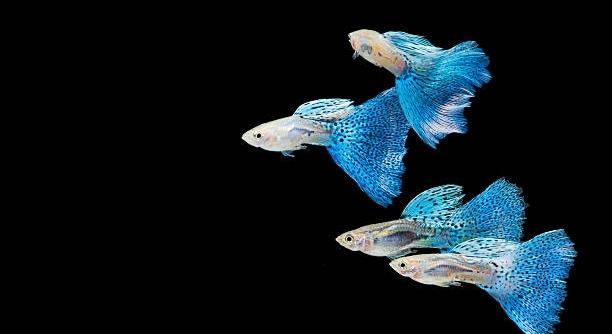
Are your guppies not looking as bright and colorful as they once did, leaving you unsure of what might be going wrong?
The most common reasons for guppies fading in color include poor water quality, stress, improper diet, illness, genetics, old age, and lack of natural or artificial light. Each of these factors can impact pigment development and retention.
By learning about these causes, you can make better decisions to help your guppies thrive and look their best every day.
Poor Water Quality
When the water in your tank isn’t clean or balanced, your guppies can quickly lose their vibrant color. Ammonia, nitrites, and nitrates are harmful if they build up too much. These toxins come from waste, leftover food, and decaying plants. If not removed, they can stress your guppies and affect their health and color. Regular water changes, proper filtration, and testing water parameters can help keep conditions stable. Guppies thrive in water with stable pH and temperature, so sudden changes can also lead to dull coloring. Chlorine in tap water is another problem—make sure to use a water conditioner. Clear water doesn’t always mean clean water, so it’s important to check it regularly. Keeping the water balanced supports your guppies’ immune systems and encourages brighter coloration. Even healthy fish will struggle to look their best if their environment isn’t right, so the tank setup plays a bigger role than many realize.
Poor water conditions stress your fish and cause color fading over time. A dirty or unbalanced tank makes it hard for guppies to stay healthy.
By keeping ammonia and nitrite levels at zero and managing nitrate levels below 20 ppm, your guppies will have a better chance to show their natural colors. Use a reliable water testing kit weekly and don’t skip regular maintenance tasks like vacuuming the substrate and cleaning the filter (without harsh chemicals). If you’re noticing color changes and haven’t checked water quality recently, this is the first place to look. Water changes every week—about 25%—can make a big difference. Stable temperature (between 72–82°F) is also important, since fluctuations can trigger stress. Light cleaning and testing may feel like extra work, but it often pays off in brighter, healthier fish.
Stress
Stress can quickly affect your guppy’s appearance. It weakens their immune system and makes it harder for them to maintain color.
Stress in guppies can come from many things, including sudden tank changes, overcrowding, aggressive tank mates, or even too much noise and movement around the aquarium. It doesn’t take much for a guppy to start feeling overwhelmed. If your guppies are hiding more than usual or not swimming freely, they may be under stress. These changes in behavior often come before or alongside color loss. You can reduce stress by keeping the tank peaceful and stable. Avoid moving decorations or changing the water too often. Choose gentle tank mates that don’t nip or chase. Even lighting matters—too much or too little can affect their mood. Watch for signs like clamped fins, erratic swimming, or reduced appetite. A calm, consistent environment goes a long way in helping guppies stay colorful and active.
Poor Diet
A guppy’s color depends heavily on the food it eats. If the diet lacks essential nutrients, their colors will fade with time. Inconsistent feeding routines or relying only on cheap flakes can lead to poor coloration.
Guppies need a balanced diet that includes protein, vitamins, and carotenoids to maintain bright and healthy colors. Foods like high-quality flakes, pellets, frozen brine shrimp, bloodworms, and daphnia help support their natural pigmentation. Carotenoids, especially, enhance reds and oranges. You don’t need to feed live food daily, but adding it two to three times a week can make a difference. Rotate foods regularly to make sure they get a mix of nutrients. Also, avoid overfeeding—leftover food decays and affects water quality. A strong diet is one of the easiest ways to support vibrant fish.
A poor diet can lead to long-term health issues as well. Guppies fed only dry food may survive but won’t thrive. A lack of variety can lead to vitamin deficiencies, which affect not only color but also energy and immune health. If your guppies seem dull or less active, consider improving their meals before anything else. Add color-enhancing foods gradually and watch for changes. With better food, many guppies bounce back in just a few weeks. Don’t forget to feed small amounts twice a day instead of large, infrequent portions.
Illness
Illness often causes guppies to lose color. When a fish is sick, its body uses energy to fight infection, not maintain its appearance.
Common illnesses like ich, fin rot, and bacterial infections stress the fish and weaken their immune systems. Infected guppies may show faded patches, ragged fins, or white spots. Parasitic infections can also affect the skin, leading to dullness. Quarantine new fish before adding them to your main tank, and treat visible symptoms right away. Using medications too late or incorrectly can cause more harm. Regular tank maintenance, good water quality, and a varied diet all help prevent illness. Watch your guppies daily so you can catch subtle changes early. Quick action can often stop a minor problem from becoming a bigger one. Treating the tank and isolating sick fish can reduce the risk to others. Prevention and early care help your guppies stay vibrant and healthy for longer.
Incompatible Tank Mates
Aggressive or fast-swimming tank mates can cause guppies stress, leading to fading colors. Chasing, nipping, or competition during feeding time all affect their comfort and overall health.
Choose peaceful fish that won’t compete for space or food. Keeping guppies with the wrong fish often results in ongoing stress and poor color.
Inconsistent Tank Conditions
Fluctuating temperature, unstable pH, or irregular lighting schedules can confuse a guppy’s system. Their bodies respond to these changes by slowing pigment production, often causing patchy or dull coloration. Keeping tank conditions stable helps them feel safe, which allows them to maintain brighter color. Monitor the heater, use a timer for lights, and check water parameters weekly. Any sudden or repeated changes—like turning the light on and off at random or skipping water changes—can leave guppies feeling off balance. Maintaining consistency, even in small habits, goes a long way in keeping their colors rich. Small adjustments over time are easier on them than big changes.
Overcrowding
Too many fish in one tank leads to stress, poor water quality, and competition for food—all of which can fade your guppies’ colors quickly.
FAQ
Can guppies regain their color once it fades?
Yes, in many cases, guppies can regain their color if the fading was caused by reversible factors like stress, poor water quality, or diet. Once those issues are corrected, their bodies begin to recover. Providing clean, warm water, a high-quality varied diet, and reducing stress levels can gradually bring the color back. It may take a few days to weeks depending on how long the fading has been happening. However, if fading is due to genetics or aging, the change may be permanent. You’ll start noticing improvement when their behavior becomes more active and their appetite returns.
What is the best food to bring out guppy colors?
Foods rich in carotenoids and spirulina are great for enhancing guppy color. Brine shrimp, bloodworms, daphnia, and high-quality color-enhancing flakes are all good choices. Look for foods that include ingredients like astaxanthin, krill, and marigold extract. Rotate between these types of food to ensure your guppies get a balanced intake. Live or frozen foods are more nutritious than most flakes alone, so adding them a few times per week can make a noticeable difference. Don’t overfeed, though—give small portions they can eat in under two minutes to avoid leftovers that pollute the water.
Can lighting really affect guppy color?
Yes, lighting plays a big role in how vibrant your guppies appear. Without proper lighting, their color can seem dull or faded even if they are healthy. Full-spectrum LED lighting is ideal because it mimics natural daylight and helps showcase their true colors. Set the light on a timer for 8–10 hours a day. Too much light, however, can cause algae growth or stress. Avoid placing the tank in direct sunlight, which can overheat the water and cause fluctuations. Balanced lighting not only makes your fish look better, but it also supports their internal rhythms.
How can I tell if my guppy is stressed?
Signs of stress include dull or faded colors, clamped fins, hiding, erratic swimming, or a lack of appetite. Sometimes guppies also stay near the surface or in corners for long periods. If stress continues, it can lead to illness or even death. Common causes include sudden changes in water conditions, bullying tank mates, or poor nutrition. If you notice these signs, test the water, check for aggression, and review your feeding schedule. Addressing the problem early helps prevent further color loss and health issues.
Do male and female guppies fade the same way?
Male guppies usually have brighter, more noticeable colors than females, so fading is often more obvious in them. However, both sexes can fade due to stress, aging, or illness. Females tend to have duller colors by nature, but if they become unusually pale or inactive, something may be wrong. Monitor both male and female guppies for changes in behavior as well as color, especially if the tank has recently changed or new fish were added. It’s not uncommon for males to lose brightness after breeding activity, but this is usually temporary.
How long does it take for guppies to regain their color?
Recovery time varies depending on what caused the fading. If the issue was water quality or diet-related, you might see improvement within one to two weeks. Stress-related fading may take longer to fix, especially if the source of stress has been ongoing. Once the tank conditions are stable and the guppy feels safe and well-fed, their color will usually return gradually. With age or genetics, color recovery is unlikely, so it’s important to recognize the root cause early.
Is it normal for young guppies to change color as they grow?
Yes, juvenile guppies often develop more defined and vibrant colors as they mature. Coloration can change several times while they grow, especially during the first few months. This is completely normal and expected. Male guppies tend to show more dramatic color development than females, especially after six weeks of age. However, if a young guppy seems to lose color or stop developing altogether, it might be a sign of poor conditions or illness. Keep feeding them well and maintaining a clean tank for the best results.
Final Thoughts
Taking care of guppies means paying close attention to their environment, diet, and overall health. When their colors begin to fade, it’s often a sign that something in the tank isn’t quite right. Things like dirty water, stress, illness, and even a poor diet can all cause your guppies to lose their bright shades. The good news is that many of these problems can be fixed once they are noticed. It doesn’t take much to turn things around—cleaning the tank, feeding better food, or just making the environment a bit more peaceful can help bring the color back.
It’s also important to understand that not every case of fading means something is wrong. Genetics and age play a big part too. Some guppies are born with softer, less intense colors, and as they get older, fading is completely normal. You might not be able to stop those changes, but you can still support them by keeping the tank safe and stress-free. Watching your guppies closely and getting to know their habits can help you spot small changes early. This gives you the chance to adjust things before problems get worse. Even something simple, like setting a timer for the tank light or checking the water once a week, can make a big difference.
Color is often a sign of health in guppies, but it’s not the only thing to look for. Pay attention to how active they are, how much they eat, and how they interact with other fish. A colorful guppy that hides or won’t eat may still be having trouble. On the other hand, a slightly dull guppy that swims happily and eats well might be just fine. Focusing on the bigger picture helps you make better choices for your fish. Bright colors are nice to look at, but healthy behavior is just as important. With a little extra care and regular maintenance, your guppies can live a longer, more comfortable life—and often, they’ll look more vibrant too. Keeping things steady and simple usually gives the best results.

Hello,
If you enjoy the content that we create, please consider saying a "Thank You!" by leaving a tip.
Every little bit helps us continue crafting quality advice that supports the health, happiness, and well-being of pets around the world, for pets of all shapes, sizes, and species.
We really appreciate the kindness and support that you show us!