
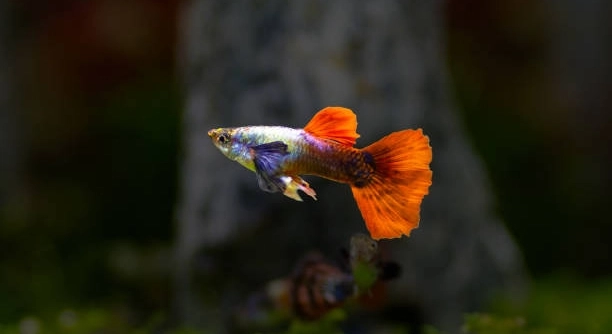
Creating the ideal environment for your guppies is essential for their health and well-being. Ensuring the water quality, temperature, and overall tank conditions are optimal can make a big difference in their happiness and longevity.
To improve guppy tank conditions, focus on water quality, filtration, temperature regulation, proper lighting, and appropriate tank size. Regular water changes and monitoring pH levels are crucial. A clean, stable, and well-maintained tank supports healthy guppy life.
With these tips, you can improve your guppy tank and ensure a thriving environment for your fish.
Maintain Consistent Water Temperature
Maintaining a stable water temperature is crucial for your guppies. These fish thrive in temperatures between 72°F and 82°F (22°C to 28°C). Any sudden temperature shifts can stress them out and even lead to illness. A good aquarium heater is essential, especially if the tank is placed in a room with fluctuating temperatures. Guppies are sensitive to changes, so ensure the heater you choose is reliable and has a thermostat. Additionally, a thermometer in the tank will help you monitor the temperature regularly to avoid any surprises.
A consistent temperature keeps your guppies active and healthy. Inconsistent temperatures can lead to stress, which weakens their immune system.
If you notice that your guppies are acting sluggish or hiding more than usual, check the water temperature. If it’s outside the ideal range, correct it immediately. Stress from temperature swings can cause long-term health problems, so it’s essential to stay on top of it. A properly maintained water temperature supports better feeding and breeding conditions too.
Ensure Proper Filtration
Filtration is key to maintaining a clean and healthy environment for your guppies. A quality filter will help remove waste, excess food, and debris from the water.
A good filtration system ensures the water stays clear and free from harmful toxins. It will also help with maintaining the right levels of oxygen in the tank, supporting your fish’s breathing. Proper filtration also reduces the need for frequent water changes, although regular water checks are still necessary.
Choose a filter based on your tank size and the number of fish you have. Over-filtering can cause too much current, which might stress out your guppies, while under-filtering might not adequately clean the water. Proper filtration supports better overall health for your guppies. Make sure to clean the filter regularly to keep it running efficiently.
Regular Water Changes
Regular water changes are essential to maintaining a healthy tank. Aim for a 25-30% water change every week or two. This will help prevent the buildup of harmful toxins like ammonia and nitrate that can stress your guppies. Even with a filter, debris and waste accumulate, which can affect water quality over time.
Replacing part of the water helps keep the balance of minerals and pH levels stable. Before adding fresh water, always treat it with a water conditioner to remove chlorine or chloramine, which are harmful to fish. This ensures the new water matches the tank’s parameters, preventing shock for the guppies.
During water changes, also take the time to clean the decorations and substrate. Use a gravel vacuum to remove dirt from the bottom, ensuring waste doesn’t accumulate unnoticed. Keep track of the water’s pH and temperature to ensure a smooth transition during each change. Keeping the water clean and balanced encourages healthy growth and vibrant colors in your guppies.
Provide Proper Tank Size
Choosing the right tank size is fundamental to your guppies’ well-being. A minimum of 10 gallons is recommended for a small group of guppies. Smaller tanks lead to faster accumulation of waste and make it harder to maintain stable water parameters.
When selecting a tank, consider the number of guppies you have and how many you plan to add in the future. Overcrowding can stress the fish and lead to aggression or disease outbreaks. A larger tank also gives guppies more space to swim, improving their overall health. Be mindful of the tank’s width as well; a broader tank provides more room for the fish to move and feel less confined.
In addition to the tank size, make sure the tank is equipped with a lid or cover. Guppies are active swimmers and can jump out of the tank if it’s open. A secure lid will prevent this and keep your fish safe. Always remember, a well-sized tank with proper care results in happier, healthier guppies.
Monitor pH and Water Hardness
Maintaining stable pH and water hardness levels is essential for guppy health. They prefer a pH between 7.0 and 8.0. Testing the water regularly helps avoid harmful fluctuations. Guppies also thrive in moderately hard water, with calcium levels that support their overall well-being.
To keep the water within the ideal pH range, you may need to adjust it occasionally using safe aquarium products. Avoid drastic changes, as guppies are sensitive to sudden shifts in water chemistry. Regular water tests help ensure the environment stays balanced. Also, consider adding minerals if your water is too soft, as guppies need a certain amount of hardness.
If you’re unsure of the pH or hardness levels, many aquarium stores offer water testing kits to make this process easier. Keeping these parameters in check supports healthy guppies, preventing stress or illness related to poor water quality.
Proper Lighting for the Tank
Proper lighting is vital to your guppies’ health. A consistent light cycle helps maintain their natural day-night rhythm. Overexposure to light can lead to algae growth, while too little light can cause stress.
Aim for about 10-12 hours of light per day to simulate a natural environment. Use an aquarium light that provides sufficient brightness but avoid harsh, direct lighting. Consider using a timer to maintain consistent lighting schedules. This reduces the chance of algae overgrowth and helps keep your guppies active and healthy.
Feed Your Guppies Properly
Feeding your guppies the right amount and type of food is essential. Overfeeding can pollute the water, leading to harmful bacteria growth. Offer small amounts that your guppies can consume in 2-3 minutes.
Ensure that the food is nutritious and suitable for guppies, like flakes or pellets. Add variety to their diet by offering live or frozen food such as brine shrimp. A balanced diet promotes strong immune systems, vibrant colors, and healthy growth. Be mindful of leftovers, as uneaten food can deteriorate water quality quickly.
FAQ
How often should I feed my guppies?
Guppies should be fed once or twice a day. Only offer what they can consume within a few minutes to prevent excess food from polluting the tank. Small portions are key. You can adjust the amount depending on how quickly they finish the food.
Can guppies live with other fish?
Yes, guppies are peaceful and can live with other non-aggressive fish. They get along well with other small, calm species like tetras, mollies, or corydoras catfish. Avoid keeping them with aggressive or fin-nipping fish, as guppies have long, delicate fins.
What size tank do I need for guppies?
A 10-gallon tank is the minimum size for a small group of guppies. Larger tanks provide more space and help maintain stable water conditions. The more fish you have, the bigger the tank should be to avoid overcrowding and stress.
What water temperature do guppies prefer?
Guppies prefer water temperatures between 72°F and 82°F (22°C to 28°C). Sudden fluctuations in temperature can stress them out. A stable temperature is key to keeping them healthy and active. Use an aquarium heater and thermometer to maintain consistency.
Do guppies need a filter?
Yes, guppies need a filter to maintain clean water. Filters remove waste, uneaten food, and harmful toxins, which helps prevent disease. A quality filter is essential for keeping the water clear and promoting a healthy environment for your fish.
Can guppies live in cold water?
Guppies are tropical fish and need warm water to thrive. Cold water can weaken their immune system and make them more susceptible to diseases. If your home temperature drops too low, it’s essential to use an aquarium heater to keep the water within the ideal range.
Why are my guppies swimming at the top of the tank?
If your guppies are swimming at the top, they may be struggling to get enough oxygen. This could be due to poor water quality, inadequate aeration, or a lack of surface agitation. Check the water’s oxygen levels and consider adding an air stone or improving water movement.
How do I know if my guppy is sick?
Sick guppies may show signs like swimming erratically, losing color, hiding, or having faded fins. Other symptoms include bloating, abnormal swimming, or lesions on the skin. If you notice any of these signs, isolate the affected fish and check water parameters for issues.
How can I tell if my guppy is pregnant?
Pregnant guppies have a noticeable gravid spot near their abdomen. This spot darkens as the pregnancy progresses. Additionally, they may appear rounder or fuller than usual. Guppy pregnancies last around 21-30 days, depending on conditions. Be sure to prepare a separate tank for the fry (baby guppies) after birth.
What should I do if my guppy is giving birth?
When your guppy is ready to give birth, she should be placed in a separate breeding tank to prevent the other fish from eating the fry. After birth, remove the mother and allow the fry to grow in the protected environment. Ensure the water conditions are stable and warm.
Can guppies jump out of the tank?
Yes, guppies can jump, especially when startled. Make sure your tank has a secure lid to prevent them from escaping. A lid also helps maintain temperature stability and reduces evaporation. Check that the lid has no gaps to ensure your guppies stay safe.
What is the lifespan of a guppy?
Guppies typically live for 2-3 years, though some may live longer with proper care. The lifespan can be influenced by water quality, diet, and general tank conditions. Regular maintenance and monitoring of their health can help extend their life.
Why are my guppies fighting?
Guppies are generally peaceful, but males can sometimes become territorial, especially if there are too many males in the tank. To reduce aggression, consider keeping a ratio of one male to two or more females. This reduces competition for mates and keeps the males calmer.
How can I improve water quality for my guppies?
Improving water quality involves regular water changes, proper filtration, and maintaining correct pH and hardness levels. Keep an eye on ammonia, nitrite, and nitrate levels with a test kit. Avoid overfeeding, and ensure your tank is not overcrowded. Adding live plants also helps maintain water quality.
Should I add live plants to my guppy tank?
Yes, live plants are beneficial for guppy tanks. They help oxygenate the water, reduce toxins, and provide hiding spots for fry. Plants like Java moss, Anubias, or Java ferns are easy to care for and suitable for guppy tanks. They also create a more natural environment.
Do guppies need a UV sterilizer?
UV sterilizers are not necessary but can help maintain a healthy tank. They work by killing harmful microorganisms in the water, reducing the risk of disease outbreaks. If you experience frequent algae blooms or waterborne illnesses, a UV sterilizer may improve the water quality.
How can I prevent algae growth in my guppy tank?
To prevent algae growth, avoid leaving the lights on too long. Aim for 10-12 hours of light per day. Regularly clean the tank and use a good filter to remove excess nutrients. Adding algae-eating fish like snails or shrimp can help keep algae in check.
Why are my guppies staying at the bottom of the tank?
Guppies staying at the bottom of the tank may be stressed, sick, or struggling with poor water quality. Check the water parameters and ensure the temperature is stable. If the tank conditions are fine, monitor your fish for signs of illness or injury.
Can I use tap water for my guppies?
Tap water can be used, but it should be treated to remove chlorine, chloramine, and heavy metals. Use a water conditioner to neutralize these harmful substances before adding it to the tank. Always test the water to ensure it’s within the ideal range for your guppies.
Do guppies need a filter if I have a planted tank?
Even in a planted tank, a filter is still recommended. While plants help maintain water quality, they cannot remove all waste, debris, and excess food. A filter ensures the tank stays clean, and the water remains oxygenated. Just make sure the filter’s current is gentle enough for the guppies.
Final Thoughts
Maintaining a healthy guppy tank requires attention to detail, but with a few basic practices, it becomes a manageable and rewarding experience. By providing the right water conditions, feeding them appropriately, and ensuring they have enough space, you can create a thriving environment for your guppies. Regular water testing is important to avoid issues with pH or hardness, and frequent water changes will help keep the tank clean. A good filter and proper aeration also play a crucial role in maintaining water quality.
It’s essential to remember that guppies are active and social fish. Ensuring they have enough room to swim and interact with each other will help reduce stress and promote healthy behavior. Adding live plants can also provide them with hiding spots and help balance water conditions. If you’re keeping multiple guppies, maintaining the right male-to-female ratio will help minimize aggressive behavior and encourage a more peaceful environment. As with any pet, their well-being depends on your consistent care and attention.
In the end, guppy care is about creating a balanced environment where they can thrive. A little effort in monitoring their conditions and diet goes a long way in ensuring their health. By keeping a watchful eye on water quality, feeding habits, and tank setup, your guppies will be able to live a long, happy life. It’s all about understanding their needs and being proactive in meeting them. With the right approach, you’ll enjoy watching your guppies flourish and interact in their home.

Hello,
If you enjoy the content that we create, please consider saying a "Thank You!" by leaving a tip.
Every little bit helps us continue crafting quality advice that supports the health, happiness, and well-being of pets around the world, for pets of all shapes, sizes, and species.
We really appreciate the kindness and support that you show us!