
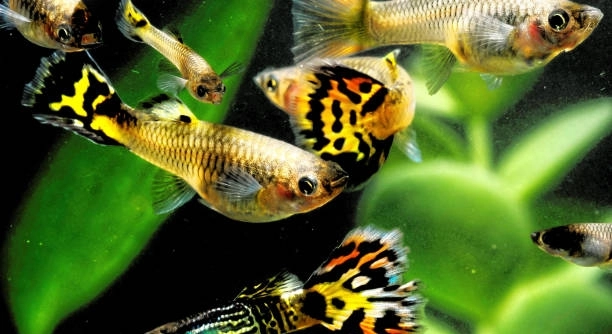
Is your guppy acting differently or not swimming around as happily as it used to? Small signs can often go unnoticed, but stress in guppies is more common than many people realize.
The most common signs your guppy is stressed include clamped fins, erratic swimming, faded colors, lack of appetite, hiding, rapid gill movement, and hovering near the surface. These behaviors often point to poor water quality or tank conditions.
Spotting stress early can help prevent health problems and keep your guppy safe and comfortable in its environment.
Clamped Fins and Faded Colors
When guppies are stressed, one of the first things you may notice is their fins staying tightly closed instead of spreading out. This is called clamping, and it’s a common sign of discomfort. Healthy guppies typically keep their fins open while swimming or resting. Along with this, their colors may appear less vibrant than usual. A stressed guppy might look dull, even gray in some cases. These changes often point to poor water conditions, like sudden temperature shifts, high ammonia levels, or low oxygen. Stress can also stem from bullying tank mates or overcrowding. Guppies need a peaceful space.
Watch for these signs as early indicators that something is off in the tank. Addressing them early can help you avoid long-term health issues.
If your guppy’s colors are fading and its fins look tight, check your water parameters right away. Stability is key to keeping guppies stress-free and healthy.
Erratic Swimming and Hiding
Guppies that dart around, spin in circles, or hide constantly may be reacting to stress in their environment.
These behaviors can be triggered by sudden changes in temperature, aggressive tank mates, or loud external noises. Guppies also hide when they don’t feel safe or are feeling unwell. If your guppy is spending too much time behind decorations or floating plants, consider whether it’s getting bullied or feels exposed. Adding more hiding spots or moving aggressive fish can help. Erratic swimming is often linked to toxins in the water, such as high nitrate or ammonia levels. Regular testing is important, especially after cleaning or changes. If behavior persists, a partial water change may help stabilize things. Guppies are sensitive to shifts in their surroundings, and their behavior reflects this. Keeping the tank clean, quiet, and properly maintained can reduce stress and help your guppy feel at ease again.
Loss of Appetite and Hovering Near the Surface
When guppies stop eating, it’s often because they are stressed or unwell. Skipping meals for more than a day or two is a strong indicator that something in the tank environment needs attention.
A stressed guppy may ignore food even when it’s something they normally enjoy. This could be caused by poor water quality, illness, or being intimidated by other fish. Try feeding at a quieter time and ensure the water temperature and pH are stable. Make sure there is no uneaten food rotting in the tank, as this can quickly worsen conditions. Some guppies may nibble but spit out their food—another common sign that they’re not feeling well. It’s important to act quickly when eating stops because a weakened guppy becomes more prone to disease. Try offering high-quality food in smaller amounts during feeding.
If your guppy hovers near the surface, it may be seeking more oxygen or avoiding discomfort lower in the tank. This behavior often means there’s an imbalance, such as low oxygen levels, too much ammonia, or unclean water. Check your filter, water temperature, and aeration. Clean the tank if necessary. Even small issues can make a guppy uncomfortable, and hovering is one of their clearest signals.
Rapid Gill Movement
Rapid gill movement can be a clear sign that your guppy is struggling to breathe properly. This often happens when oxygen levels are too low or when toxins like ammonia or nitrites are too high in the tank water.
Check your water conditions immediately if you notice this symptom. Make sure the filter is working well and consider increasing surface agitation to boost oxygen levels. Guppies breathe faster when they are stressed, so this is a sign that should not be ignored.
Staying in One Spot Too Long
If a guppy remains motionless at the bottom or top of the tank, it could mean stress or illness. Guppies are usually active, so a sudden change in movement or posture is worth checking. Temperature, toxins, or injury might be affecting its behavior.
Sudden Aggression or Twitching
Guppies may suddenly nip at others or twitch their bodies when stressed. This could be caused by overcrowding, bullying, or poor water conditions. Twitching may also signal parasites or irritation from toxins. Check water quality and spacing in the tank. Addressing stress early prevents long-term harm and discomfort.
FAQ
How do I calm a stressed guppy?
Start by testing your water for ammonia, nitrite, nitrate, and pH. Make sure the temperature stays between 74–82°F. Avoid sudden changes, and keep the tank peaceful. If other fish are bullying your guppy, consider moving them to a separate tank or rearranging the tank layout to break up territories. Add hiding spots like plants or small caves to help the guppy feel more secure. Limit loud noises or vibrations around the tank. Consistency and calm surroundings are important for guppies to recover from stress.
Can a stressed guppy recover on its own?
Yes, if the cause of the stress is removed quickly and conditions improve, guppies can recover without medication. Clean water, good filtration, a balanced diet, and a calm tank environment all support recovery. Watch the guppy closely over the next few days. If signs like clamped fins, color loss, or rapid gill movement continue, the problem might still be present. In that case, a more focused approach may be needed, including isolation if the guppy is being bullied or showing symptoms of illness.
How long does it take for a guppy to recover from stress?
Recovery depends on how severe the stress is and how quickly the issue is resolved. Minor stress may clear up in a day or two if the tank conditions are corrected right away. More serious stress, like from illness or injury, can take several days to a week. Keep the tank clean, avoid unnecessary handling, and feed high-quality food to speed up healing. Monitor the guppy’s behavior and appetite during this time.
What does it mean if my guppy is hiding all the time?
Constant hiding is usually a sign of stress, fear, or illness. If your guppy feels unsafe due to aggressive tank mates or an overcrowded environment, it may seek shelter all day. Illness or poor water quality can also make them hide to avoid discomfort. Check your water parameters and observe interactions with other fish. Adding plants or decorations can help shy guppies feel more secure without needing to isolate themselves all the time.
Should I isolate a stressed guppy?
Isolation can help in certain cases. If your guppy is being harassed, injured, or shows signs of disease, placing it in a separate tank or breeder box gives it a chance to rest and recover. Just be sure the water conditions in the isolation tank are just as clean and stable. Avoid isolating if the guppy is only mildly stressed and not being harmed. Sometimes changing the environment within the main tank is more helpful than moving the fish.
Do guppies get stressed after water changes?
Yes, sudden or large water changes can shock guppies. Always match the new water’s temperature to the tank and add a water conditioner to remove chlorine or chloramine. Change no more than 25–30% at a time unless there’s an emergency. Gradual changes help prevent stress and keep guppies feeling stable.
Can poor lighting cause stress in guppies?
Yes, inconsistent or overly bright lighting can lead to stress. Guppies prefer a steady light cycle, around 8–10 hours of light per day. Avoid placing the tank in direct sunlight or under harsh artificial light. Give them a dark period to rest. A reliable timer can help maintain a regular schedule.
Why is my guppy shaking or twitching?
Twitching can be caused by poor water conditions, parasites, or internal irritation. Check ammonia and nitrite levels right away. If water tests are normal, the guppy might have an external parasite like ich or flukes. You may need to isolate the fish and begin treatment. Left untreated, twitching can lead to worsening health.
Is a stressed guppy more likely to get sick?
Yes, stress weakens the immune system and makes guppies more vulnerable to infections like fin rot, ich, or fungal issues. Even minor stress, if prolonged, can lead to health problems. Keeping the tank stable, clean, and calm is the best way to reduce illness and protect your guppy’s health.
Can diet affect guppy stress levels?
Yes, nutrition plays a role in stress. A poor diet can leave guppies weak and more prone to stress. Feed them a balanced mix of high-quality flakes, pellets, and occasional live or frozen foods like brine shrimp. Avoid overfeeding, as leftover food harms water quality. Small, consistent meals support both health and stability.
Final Thoughts
Caring for guppies means paying attention to their behavior and knowing when something isn’t right. Stress in guppies often shows through subtle signs like clamped fins, lack of appetite, or hiding more than usual. These behaviors are not just personality changes—they are signals that something in the tank may be wrong. Watching how your guppy swims, interacts, and eats can help you act early before a small issue becomes serious. Most stress-related problems can be fixed if noticed on time. Keeping your tank stable and calm is one of the best ways to avoid stress in the first place.
Maintaining good water quality, proper feeding habits, and a peaceful tank environment is essential. Clean water that is free from toxins like ammonia and nitrites is one of the most important parts of guppy care. Testing your water weekly and making small, regular water changes will help keep levels safe. A well-balanced diet supports a strong immune system and gives your guppy the energy it needs to stay active and healthy. Tank mates should be chosen carefully, avoiding species that chase, nip, or cause stress. Providing plants or decorations can also create hiding spots that help guppies feel safe and reduce anxiety.
Stress in guppies is common, but it doesn’t have to be a constant concern. With a little attention and care, you can quickly recognize when something is off and make simple changes to help your guppy recover. Most stress-related issues respond well to clean water, a quiet space, and steady routines. If your guppy shows signs of illness, take action quickly, and consider isolating it for treatment if needed. Guppies are hardy fish, but they depend on their environment to stay healthy. By creating a calm, clean, and supportive tank, you give your guppy the best chance to thrive for a long time.

Hello,
If you enjoy the content that we create, please consider saying a "Thank You!" by leaving a tip.
Every little bit helps us continue crafting quality advice that supports the health, happiness, and well-being of pets around the world, for pets of all shapes, sizes, and species.
We really appreciate the kindness and support that you show us!