
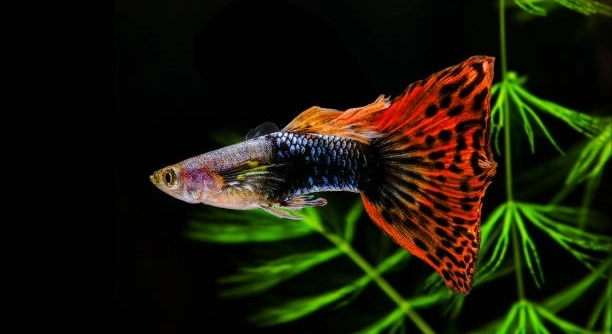
Guppies, like many fish, thrive in environments with plenty of plant life. These aquatic plants offer more than just a visual appeal; they provide essential benefits for the guppy’s well-being. Understanding their importance is key to creating a healthy tank.
The primary reason guppies prefer plants is that they offer shelter, food, and a natural habitat. Plants help maintain water quality by absorbing excess nutrients, reducing stress in guppies, and providing hiding spots, which makes them feel secure.
The presence of plants in a guppy tank contributes to a healthier and happier environment for these fish. This simple addition can greatly improve their quality of life.
Shelter and Hiding Spots
Plants provide a safe space for guppies to hide, reducing stress and promoting natural behavior. Guppies, like other fish, are sensitive to environmental changes and potential threats. Having plants in their environment allows them to feel secure and protected from larger fish or sudden disturbances. Whether it’s floating plants or dense vegetation along the tank’s bottom, guppies are quick to seek shelter among the leaves. These hiding spots give them the freedom to explore without feeling exposed or vulnerable.
While plants are beneficial, it’s important to maintain a balance. Too many plants can overcrowd the tank, limiting swimming space. Ensuring the plants are healthy and well-maintained is essential to their effectiveness as a refuge for guppies.
The structure of plants, whether tall or low-growing, offers guppies a sense of security. This makes them feel less stressed and more at ease in their environment. Fish thrive best when they have a natural habitat to mimic their wild surroundings, and plants help achieve this goal.
Natural Food Source
Plants in a guppy tank also provide natural food sources, which can supplement their diet. Algae and small micro-organisms that grow on the plant surfaces are a food source for guppies. They nibble on these throughout the day, keeping them occupied and helping to maintain their health.
In addition, plants help create an environment conducive to breeding and raising young guppies. The presence of plants provides a place for fry to hide from adults, ensuring their safety during the early stages of life. Healthy plants also help create an ecosystem that supports small, beneficial creatures like copepods, which guppies enjoy eating.
As an added benefit, plants absorb excess nutrients in the water, helping to reduce algae growth and maintain clean water. This creates a more natural, balanced environment where guppies can thrive, reducing the need for artificial supplements. Guppies appreciate a tank with well-established plants that offer both food and shelter.
Improving Water Quality
Plants play a vital role in maintaining water quality by absorbing excess nutrients. These nutrients, if left unchecked, can lead to algae blooms and poor water conditions. By taking in substances like nitrates, plants help to prevent these problems, ensuring a cleaner environment for guppies.
A well-maintained plant system reduces the need for chemical filtration, making it easier to keep the tank healthy. This natural filtration process supports a more balanced ecosystem, allowing beneficial bacteria to thrive. The plants act as a natural filter, creating an environment that helps guppies live in cleaner, healthier water.
Additionally, plants release oxygen into the water, which is essential for the well-being of guppies. Oxygenated water makes it easier for fish to breathe, reducing stress and improving their overall health. By supporting both water quality and oxygen levels, plants provide an essential service to guppy tanks.
Encouraging Natural Behavior
In their natural habitat, guppies are used to swimming among plants, rocks, and other structures. By replicating this environment in a tank, plants allow guppies to express natural behaviors such as foraging, hiding, and exploring.
Guppies are naturally curious fish, and plants offer a dynamic environment for them to interact with. They will swim through the leaves, hiding in the shadows and searching for small creatures living within. This natural behavior keeps guppies mentally stimulated and content, reducing the risk of boredom.
Having a tank with plenty of plant life also supports the social nature of guppies. They feel more comfortable and secure when there’s a natural setup, leading to healthier fish and a more active aquarium. Plants help guppies thrive by promoting behavior that mirrors their natural instincts.
Reducing Stress
Plants provide guppies with a sense of security, which significantly reduces stress levels. Stress can negatively affect their health, making them more susceptible to diseases. When guppies have access to plant cover, they feel safer and more at ease in their environment.
By offering a natural refuge, plants create a more relaxed atmosphere for guppies. A stress-free environment is crucial for maintaining healthy fish, as it allows them to focus on normal behaviors, like feeding and socializing, instead of constantly feeling threatened.
Aesthetic Appeal
Plants enhance the visual appeal of a guppy tank, making it more vibrant and lively. The rich green colors of aquatic plants create a calming atmosphere and a more natural look. This beauty not only benefits the fish but also makes the tank more enjoyable to observe.
Supporting Breeding
For breeding guppies, plants provide essential support. They offer hiding places for the fry, protecting them from potential threats. This natural refuge is necessary for ensuring the survival of young guppies, allowing them to grow in a safe, secure environment.
FAQ
Do guppies need plants in their tank?
While guppies can live without plants, having them in their tank significantly benefits their well-being. Plants provide shelter, food sources, and improve water quality. These factors contribute to a healthier, more natural environment for guppies, enhancing both their physical and mental health.
What types of plants are best for guppies?
Guppies do well with a variety of plants, especially those that provide hiding spots and surfaces for algae growth. Common choices include Java Fern, Anubias, Hornwort, and Amazon Sword. These plants are easy to maintain and provide the necessary coverage and food sources for guppies.
Can plants help with water quality in a guppy tank?
Yes, plants help maintain water quality by absorbing excess nutrients such as nitrates and phosphates. This reduces the likelihood of algae blooms and keeps the water cleaner. Additionally, plants oxygenate the water, creating a healthier environment for guppies and other tank inhabitants.
How often should I clean the plants in a guppy tank?
It’s important to regularly inspect plants for debris, dead leaves, and algae buildup. You don’t need to clean them excessively, but a light rinse under tap water every few weeks can keep them healthy. Trim dead or overgrown leaves to promote new growth and prevent the plants from overcrowding the tank.
Do guppies prefer live or artificial plants?
Guppies generally prefer live plants over artificial ones. Live plants mimic their natural habitat, offering benefits like oxygen production and natural food sources. However, some guppies might not mind artificial plants if real ones are difficult to maintain or if live plants are unavailable.
Can plants prevent diseases in guppies?
While plants alone don’t prevent diseases, they do contribute to a healthier tank environment, which reduces the stress on guppies and makes them less susceptible to illness. Healthy plants help maintain clean water, reduce toxins, and promote natural behaviors, all of which support guppy health.
Do guppies need floating plants?
Floating plants can benefit guppies by providing extra shelter and surfaces for algae growth. Guppies often appreciate the shade floating plants offer, as it helps reduce stress and provides a secure place to hide. Popular floating plants include Duckweed, Water Sprite, and Frogbit.
What should I do if the plants in my tank aren’t growing well?
If your plants aren’t thriving, it could be due to poor lighting, inadequate nutrients, or water quality issues. Check the lighting to ensure it’s suitable for plant growth and consider adding liquid fertilizers. Ensure the tank water is clean and balanced to support healthy plant life.
Can plants help with guppy fry survival?
Yes, plants are crucial for protecting guppy fry. They provide hiding places where the fry can take cover from adult guppies and other potential predators. Plants like Java Moss are excellent for fry because they offer small spaces for the young guppies to swim and hide in.
How do plants affect the guppy’s diet?
Plants can supplement a guppy’s diet by providing small organisms, like algae or micro-organisms, that naturally grow on plant surfaces. Guppies enjoy nibbling on these, which adds variety to their diet. However, plants shouldn’t be the primary food source, as guppies need a balanced diet of high-quality fish food.
Can I add too many plants to my guppy tank?
Yes, overcrowding your tank with too many plants can limit swimming space for guppies and reduce water circulation. It’s important to maintain a balance, ensuring there’s enough space for your guppies to move around freely while still offering the benefits of healthy plant life.
Are there any plants that are toxic to guppies?
Most commonly available aquarium plants are safe for guppies, but some plants like Azolla, Duckweed, or certain species of Fern can release toxins under specific conditions. Always research plants before introducing them into your tank and avoid those that are known to be harmful to fish.
How do plants help with guppy breeding?
Plants offer essential cover for guppy fry, helping them survive the early stages of life. The leaves and stems provide places for the fry to hide from adult guppies, which may otherwise prey on them. Healthy plants create a natural breeding environment for guppies to reproduce in.
Do guppies need plants for socializing?
While plants are not directly related to guppy socialization, they help reduce stress and provide a more comfortable environment, which can encourage natural behaviors. When guppies feel secure, they are more likely to interact with each other in a social setting. Plants enhance their quality of life, fostering better social dynamics.
How do plants impact the overall health of the guppies?
Plants contribute to the overall health of guppies by reducing stress, improving water quality, providing shelter, and offering natural food sources. With these benefits, guppies are better equipped to thrive, grow, and breed in a balanced environment. Healthy plants lead to healthier guppies, creating a more vibrant aquarium.
Final Thoughts
Incorporating plants into a guppy tank offers numerous benefits, both for the fish and the overall aquarium environment. Plants help create a more natural, vibrant space where guppies can thrive. They provide essential cover, reduce stress, and improve water quality, which are all crucial for keeping your guppies healthy. A tank filled with plants closely mimics the guppies’ natural habitat, making them feel more comfortable and secure. This, in turn, leads to happier, more active fish that are less likely to suffer from health problems.
Plants also contribute to the long-term sustainability of your tank. By naturally filtering the water, they reduce the need for constant chemical treatments and water changes. Plants absorb excess nutrients that could otherwise cause algae growth, keeping the water clean and clear. They also oxygenate the water, ensuring that guppies have the clean, well-oxygenated environment they need to survive. These factors make plants an excellent choice for any guppy tank, reducing maintenance while improving the health of the entire aquatic ecosystem.
Lastly, plants play a crucial role in supporting the breeding process. They offer safe hiding spaces for guppy fry, protecting them from potential threats. This gives the young guppies a better chance of survival and allows them to grow in a secure environment. With the right selection of plants, you can create an environment that not only supports adult guppies but also ensures that their offspring can thrive. Whether you’re an experienced fishkeeper or a beginner, adding plants to your guppy tank is an easy and effective way to promote the health and well-being of your fish.

Hello,
If you enjoy the content that we create, please consider saying a "Thank You!" by leaving a tip.
Every little bit helps us continue crafting quality advice that supports the health, happiness, and well-being of pets around the world, for pets of all shapes, sizes, and species.
We really appreciate the kindness and support that you show us!