
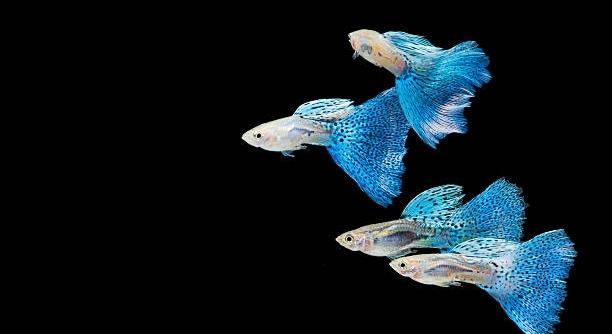
Sometimes, noticing a guppy floating on its side can be concerning. It’s important to understand that this behavior could be linked to a variety of factors, ranging from water quality to health issues.
Several causes can lead to a guppy floating on its side. Common factors include swim bladder disease, stress, poor water quality, overfeeding, or an injury. It is crucial to address the underlying issue for the fish’s well-being.
By understanding these causes, you’ll be better equipped to provide your guppy with the care it needs to recover and thrive in a healthier environment.
1. Swim Bladder Disease
Swim bladder disease is one of the most common reasons a guppy might float on its side. This organ helps regulate buoyancy, allowing fish to swim upright. When it becomes inflamed, damaged, or infected, the guppy may struggle to maintain balance. This results in floating sideways or upside down. The condition can occur due to genetics, overfeeding, or poor water quality.
In many cases, swim bladder disease is treatable with proper care. However, it’s important to monitor your guppy’s diet and water conditions closely. If your guppy continues to float unnaturally, consider adjusting the tank environment or even separating the fish to prevent stress.
If swim bladder disease is suspected, limiting feeding and adding aquarium salt may help. Additionally, providing a stress-free environment with stable water conditions can aid recovery. While swim bladder disease can be severe, early intervention often leads to full recovery in many cases.
2. Poor Water Quality
Poor water quality is another common cause of guppies floating on their side. High ammonia, nitrites, or fluctuating pH levels can cause stress and health issues, including swim bladder problems. A sudden change in temperature or oxygen levels can also affect buoyancy.
Regular water changes and a reliable filtration system are key to maintaining a healthy tank environment. Testing the water frequently ensures that the conditions remain stable and safe for your guppies.
Dirty water affects not only buoyancy but also the overall health of your guppies. Keeping your tank clean and maintaining proper filtration helps avoid stress and illnesses that could cause abnormal behavior.
3. Overfeeding
Overfeeding can lead to a variety of issues, including swim bladder problems. When a guppy eats too much, its digestive system becomes overloaded, affecting buoyancy. Uneaten food in the tank can also lead to poor water quality, further stressing the fish.
To prevent overfeeding, feed your guppy only what it can consume in a few minutes. It’s important to stick to a regular feeding schedule to avoid excess food buildup. If you notice floating behavior after feeding, try reducing the portion sizes to see if that improves the situation.
Overfeeding not only affects buoyancy but also creates an unhealthy tank environment. Leftover food decomposes and raises ammonia levels, causing more stress to your guppy. Keeping portions controlled helps keep both your fish and their environment in better shape.
4. Stress
Stress is a silent yet powerful factor in causing abnormal behavior in guppies. Factors such as overcrowding, sudden changes in water temperature, and the presence of aggressive tank mates can cause your guppy to become stressed. This can affect its ability to swim properly, leading to sideways floating.
To reduce stress, it’s important to maintain a calm, stable environment. Providing enough space for each fish, ensuring temperature consistency, and choosing peaceful tank mates can all contribute to a less stressful environment for your guppy. Keeping water conditions stable is just as important for minimizing stress.
Stress can also weaken your guppy’s immune system, making it more susceptible to other diseases. If your guppy continues to float on its side after environmental adjustments, it may be worth separating it from other fish to give it a chance to recover.
5. Injury
Injuries can cause a guppy to float on its side. If it has been nipped by other fish or injured by sharp objects in the tank, it may struggle with balance. Physical trauma to the fins or body could affect its ability to swim properly.
Inspect your guppy carefully to look for visible injuries. If you find any signs of wounds or abrasions, it’s essential to separate the injured fish from the rest. This will prevent further harm and allow the guppy to recover in a more controlled environment.
A quiet, calm space with warm water can help the guppy heal. Adding salt or a mild aquarium medication can also support the healing process. Injuries can often heal over time with the right care.
6. Old Age
As guppies age, their buoyancy can change, and floating on their side becomes more common. Older guppies may lose muscle strength or develop health issues that interfere with their ability to maintain proper balance in the water.
This is a natural process, but keeping their environment stable can still help. Healthy water conditions and a balanced diet will support an aging guppy. If floating continues or worsens, it’s important to monitor the fish for other signs of illness.
FAQ
Why is my guppy floating sideways?
If your guppy is floating sideways, it could be due to swim bladder disease, poor water quality, stress, or overfeeding. Swim bladder disease affects the fish’s ability to maintain balance, leading to floating or sideways swimming. Poor water quality, such as high ammonia levels, also stresses the guppy and may cause it to float in unnatural positions. Stress from overcrowding or aggressive tank mates can contribute as well. Lastly, overfeeding can lead to digestive issues that affect buoyancy.
How can I fix a guppy floating on its side?
To help your guppy, first, check the water quality. Perform a water change to ensure the ammonia, nitrite, and nitrate levels are safe. Next, reduce feeding and monitor the fish for signs of overfeeding or swim bladder issues. If it’s a swim bladder problem, consider using aquarium salt and limiting the food intake. If stress or injury is the cause, create a quiet, safe space for the guppy to recover. Ensure your tank has proper filtration and that all fish are well cared for.
How can poor water quality affect my guppy?
Poor water quality can cause stress, weaken the immune system, and lead to swim bladder disease. High levels of ammonia and nitrites irritate a guppy’s gills and digestive system, which can impair its ability to swim normally. It’s important to regularly test your tank’s water and change it as needed to keep your guppy healthy.
Can overfeeding cause swim bladder issues?
Yes, overfeeding is one of the main causes of swim bladder problems in guppies. Overeating can lead to bloating or constipation, which affects the swim bladder’s ability to function properly. To prevent this, feed your guppy small amounts of food that it can consume in 2-3 minutes. Regular feeding schedules are essential.
How do I prevent my guppy from getting stressed?
To reduce stress in your guppy, maintain stable water conditions, avoid overcrowding, and provide peaceful tank mates. Make sure the water temperature is consistent and the pH level is appropriate for guppies. Stress can also be caused by sharp objects in the tank, so be mindful of decorations. Providing hiding spots or plants can give your guppy a sense of security.
What should I do if my guppy is injured?
If your guppy is injured, isolate it from other fish to prevent further harm and give it a chance to heal. Clean the tank to ensure that no bacteria or toxins can affect the injury. Adding aquarium salt can help reduce the risk of infection. Monitor the injury for signs of improvement.
How can I tell if my guppy is just old and floating?
As guppies age, they may start to lose muscle control, affecting their buoyancy. An older guppy may float on its side as a result of natural aging, but other signs include slower movements or faded coloration. If the behavior persists and there are no other symptoms, old age might be the cause. However, it’s still important to rule out other factors, such as poor water quality or disease.
What’s the best way to feed a guppy to avoid swim bladder issues?
Feed your guppy small amounts of food at regular intervals. It’s crucial not to overfeed, as this can cause digestive issues, including swim bladder problems. Avoid offering large or hard-to-digest foods, such as dry flakes, in excess. Instead, feed high-quality, appropriately sized food that matches the guppy’s dietary needs. A varied diet helps maintain overall health.
Can swim bladder disease be cured?
Swim bladder disease can often be treated, but it depends on the underlying cause. If it’s caused by overfeeding, adjusting the diet and water conditions may help. If it’s due to an infection, medication and aquarium salt can assist in the recovery. In some cases, swim bladder disease may be more challenging to treat, especially if it’s caused by a genetic issue or severe injury.
How often should I change the water in my guppy tank?
Regular water changes are vital to keeping the tank healthy. You should change 20-30% of the water every week to maintain stable conditions. If you have more guppies or if the tank is smaller, more frequent water changes may be necessary. Testing the water regularly helps ensure the parameters remain in a safe range for your fish.
Final Thoughts
Understanding why your guppy is floating on its side can help you take the right steps to improve its health. Whether it’s a result of swim bladder disease, poor water quality, overfeeding, or stress, identifying the root cause is key. Each issue requires a specific approach, but with the right care, most guppies can recover and return to their healthy swimming habits. Taking the time to monitor your fish and maintain proper tank conditions will help prevent these issues from happening in the future.
It’s also important to remember that guppies, like all pets, thrive in stable environments. Regular water changes, proper feeding, and a peaceful tank setup are essential to their overall well-being. Keeping your tank clean and maintaining consistent water parameters will not only help prevent problems like floating but also ensure your guppies live longer, healthier lives. Sometimes, small adjustments to their environment can make a big difference in how they behave and feel.
If you’ve tried addressing the potential causes and your guppy still exhibits abnormal floating behavior, it might be a good idea to consult with a veterinarian or fish specialist. They can offer more targeted advice based on the specific symptoms and conditions of your guppy. By being proactive and informed, you can ensure that your guppy stays healthy and continues to thrive in your aquarium.

Hello,
If you enjoy the content that we create, please consider saying a "Thank You!" by leaving a tip.
Every little bit helps us continue crafting quality advice that supports the health, happiness, and well-being of pets around the world, for pets of all shapes, sizes, and species.
We really appreciate the kindness and support that you show us!