
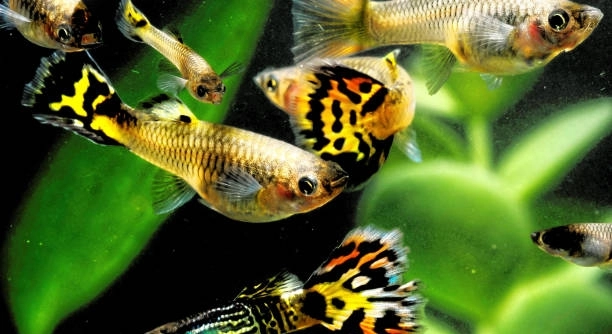
Guppies are popular aquarium fish known for their bright colors and lively personalities. If you have guppies, you may have noticed that they aren’t breeding as expected. Understanding why they aren’t reproducing can be helpful.
The most common reasons why your guppies aren’t breeding include poor water conditions, improper diet, wrong tank mates, stress, incorrect temperature, lack of privacy, and low-quality genetics. Ensuring these factors are balanced can encourage breeding.
By addressing these issues, you can help create a healthier environment for your guppies and encourage successful breeding. Keep reading to learn more about the factors that may be affecting your guppies’ reproduction.
Poor Water Conditions
Guppies are sensitive to water quality, and poor water conditions can greatly affect their breeding. If the water is too dirty or the pH level isn’t right, it can stress your guppies and hinder their ability to reproduce. Keeping the tank clean and ensuring the water parameters are stable is crucial. Make sure you test the water regularly for ammonia, nitrites, and nitrates, as high levels of these can harm your fish.
Water temperature is another factor. If it’s too cold or too hot, it can disrupt your guppies’ breeding cycle. Aim for a temperature between 72-82°F (22-28°C) to keep your guppies comfortable.
In addition, you should be doing regular water changes to maintain a healthy environment. This also helps keep stress levels low, which is important for their breeding behavior. The more stable and clean the water, the more likely it is your guppies will breed successfully.
Incorrect Diet
A poor diet can prevent guppies from reaching their full breeding potential. Providing them with a balanced diet that includes high-quality fish flakes, brine shrimp, and occasional vegetable matter can help promote breeding. A lack of proper nutrition might cause guppies to become too weak or stressed, which affects their overall health and breeding readiness.
Guppies need the right mix of proteins and vitamins to keep them active and healthy. Without these essential nutrients, they may lack the energy and strength needed for reproduction. A healthy, varied diet is key to encouraging them to breed.
Wrong Tank Mates
Tank mates that are too aggressive or incompatible with your guppies can cause stress and prevent breeding. Guppies are peaceful fish, and having the wrong companions can lead to bullying, which harms their health and hinders reproduction. It’s important to choose tank mates that are peaceful and won’t disrupt their environment.
Some species may also prey on young guppies, which creates an unsafe environment for breeding. Consider fish like tetras or other small, non-aggressive species that can live harmoniously with guppies. Avoid larger fish that could intimidate or eat baby guppies.
Creating a peaceful community tank is essential for guppies to feel comfortable enough to breed. Keeping the tank stress-free allows them to focus on mating. Make sure everyone in the tank gets along well, and the guppies will be more likely to reproduce.
Stress
Guppies are easily stressed by changes in their environment or routine. Stress from overhandling, sudden temperature changes, or even loud noises can have a negative impact on their breeding behavior. Constant stress can lead to poor health, which reduces the chances of them breeding.
Stressed guppies are also more prone to diseases, which can further impact their reproductive health. To minimize stress, avoid making abrupt changes to the tank setup or moving them around too much. A stable environment helps reduce anxiety and encourages breeding.
Monitoring the guppies’ behavior is key to knowing when they’re stressed. When they’re calm, active, and displaying their natural colors, they are more likely to breed. Creating a calm and quiet environment will help set the stage for breeding.
Incorrect Temperature
If the water temperature isn’t within the ideal range, guppies may not breed. They prefer water between 72-82°F (22-28°C). Too cold or too warm temperatures can cause stress and disrupt their breeding cycle. Make sure you monitor the temperature regularly.
An inconsistent temperature can also cause health problems, weakening the guppies and preventing them from breeding. A reliable aquarium heater can help maintain the correct temperature. Keeping the environment stable and comfortable is essential for your guppies to feel secure enough to reproduce.
Lack of Privacy
Guppies can be shy, and too much activity or overcrowding can discourage them from breeding. They need a peaceful, private space to feel comfortable enough to mate. Having hiding spots or plants can provide them with a sense of security.
If the tank is too crowded, it may also increase stress levels, which is another factor that prevents them from breeding. By reducing the number of fish and creating private spaces, guppies will have a better chance of reproducing.
FAQ
Why aren’t my guppies breeding even though they seem healthy?
Sometimes, guppies may appear healthy but still not breed. This could be due to various factors like water quality, temperature, or stress. Ensure their tank conditions are ideal—maintain a temperature between 72-82°F (22-28°C), keep the water clean, and avoid overcrowding. Make sure their diet is balanced and that they have suitable tank mates. Even small changes in their environment can impact their willingness to breed.
How can I tell if my female guppy is pregnant?
Pregnant female guppies will often have a visible gravid spot near their abdomen, which turns darker as the pregnancy progresses. You may also notice the belly becoming rounder and more swollen. As the pregnancy nears the end, you might see the developing fry (baby guppies) moving inside her. Typically, the pregnancy lasts 21-30 days.
What should I feed my guppies to help them breed?
To encourage breeding, provide your guppies with a varied, high-quality diet that includes fish flakes, brine shrimp, daphnia, and occasional vegetable matter like spinach. A protein-rich diet is important for their overall health and will boost their energy and readiness to breed. Make sure you feed them small amounts regularly rather than overfeeding, as this can negatively affect water quality.
Is my male guppy too young to breed?
Male guppies can start breeding as early as 3-4 months of age, depending on their size and health. However, they may not be fully mature until around 6 months old. If your male guppy isn’t breeding, it could be due to stress, insufficient tank conditions, or lack of interest from the females. Ensure they are well-fed and that the environment is stress-free.
Can I keep male and female guppies together for breeding?
Yes, male and female guppies can be kept together to breed. However, keep in mind that males can be very persistent, and sometimes females may get stressed. To minimize stress, provide plenty of hiding spots in the tank where females can retreat when they need a break. It’s also important to keep a proper male-to-female ratio, with at least one male for every two or three females.
Do guppies breed in freshwater tanks?
Yes, guppies breed easily in freshwater tanks, as long as the water is clean and within the ideal temperature range. They are livebearers, meaning the female will give birth to live fry instead of laying eggs. Make sure your tank setup includes hiding spots, as fry need a safe place to avoid being eaten by adult fish.
How often should I change the water in a guppy tank to encourage breeding?
Regular water changes are essential to keep your guppies healthy and promote breeding. Ideally, you should change 20-25% of the water every week. This helps maintain good water quality, removes toxins, and reduces the risk of diseases that can affect their ability to reproduce. Be sure to use a water conditioner to remove chlorine or chloramine from tap water.
What are the best tank conditions for breeding guppies?
For breeding guppies, your tank should have clean, warm water with a temperature between 72-82°F (22-28°C). Keep the water pH between 6.8 and 7.8, and make sure ammonia, nitrites, and nitrates are kept at safe levels. A filter is helpful to maintain water cleanliness, but avoid strong currents, as these can stress the fish. Also, provide plenty of plants or decorations where fry can hide once born.
Why is my guppy not showing interest in breeding?
If your guppy isn’t interested in breeding, the issue may lie in their environment or health. Stress, poor water quality, or wrong tank mates can make them less likely to breed. Make sure your guppies are well-fed, and their tank is properly set up with enough hiding spots and the right temperature. If they are healthy, stress-free, and in the right conditions, they will be more likely to breed.
Can guppies breed without a male?
No, female guppies cannot breed without a male. However, female guppies can store sperm for several months after mating, meaning they can give birth to multiple batches of fry without needing further mating. If a female has previously mated, she may continue to produce offspring for a while.
What happens if I don’t remove the fry from the tank?
If you don’t remove the fry from the tank, there’s a high chance that adult guppies, including the females, will eat them. Guppies are known to eat their young, especially if they don’t have enough places to hide. To protect the fry, provide plenty of hiding spots, or set up a separate breeding tank where the fry can grow safely.
How do I ensure the fry survive in the tank?
To help guppy fry survive, provide a well-planted tank with plenty of hiding spaces, such as moss or small decorations. You can also add a breeding box to separate the fry from the adults after birth. Ensure the fry are fed small, nutritious foods like infusoria or baby brine shrimp to support their growth. Maintaining clean water and a stress-free environment is also essential for their survival.
What is the best male-to-female ratio for breeding?
The ideal male-to-female ratio for guppies is 1:2 or 1:3. Having more females than males reduces stress on the females, as males tend to chase and mate with them frequently. This ratio allows for a more natural breeding process, where the males aren’t overexerting themselves chasing a limited number of females.
Should I separate the males and females after breeding?
If you want to avoid overbreeding or giving the females a break, you can separate the males and females after breeding. However, if you’re actively trying to breed your guppies, it’s best to keep them together in a well-balanced tank with plenty of hiding spots for the females to rest.
Final Thoughts
Getting your guppies to breed successfully requires attention to their environment and needs. While it may seem like a challenging task, the process becomes easier when you understand the factors that influence breeding. The right water conditions, a balanced diet, and a stress-free environment are key elements that support successful reproduction. Keep the water clean, maintain a stable temperature, and make sure your guppies feel secure in their tank. Healthy, happy guppies are more likely to breed, and ensuring their comfort is the first step in this process.
In addition to water conditions and temperature, tank mates play a big role in whether or not your guppies breed. Stress can prevent them from mating, so it’s important to avoid aggressive or incompatible species. Giving female guppies enough space and hiding spots is also essential for reducing stress. If males are too persistent, or if females don’t have enough privacy, breeding may not occur. Creating a peaceful and balanced community in the tank can encourage your guppies to breed more naturally.
Lastly, patience is necessary when breeding guppies. If your guppies aren’t breeding right away, don’t be discouraged. Sometimes it takes time for them to adjust to the tank or for the conditions to be just right. Keep monitoring water quality, temperature, and their overall health, and with the right care, they will breed when ready. Understanding these factors can make breeding guppies a rewarding and enjoyable experience, ensuring that both you and your fish thrive in the long run.

Hello,
If you enjoy the content that we create, please consider saying a "Thank You!" by leaving a tip.
Every little bit helps us continue crafting quality advice that supports the health, happiness, and well-being of pets around the world, for pets of all shapes, sizes, and species.
We really appreciate the kindness and support that you show us!