
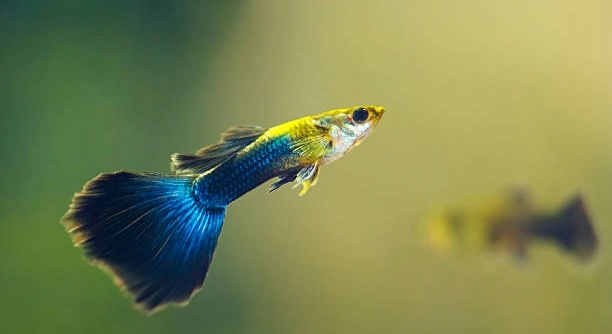
Guppies are popular fish in many aquariums, known for their vibrant colors and energetic swimming. However, sometimes owners notice their guppies’ tails curling, which can be a sign of an underlying issue that needs attention.
The primary reason for a guppy’s tail curling is poor water quality, which can lead to stress or infection. Other causes include injuries, parasites, or genetics. Proper care, including water changes and diet, is essential to prevent this condition.
Addressing water quality, diet, and potential infections can improve your guppy’s health and well-being. Understanding these factors helps keep your guppy thriving.
Poor Water Quality
Water quality is one of the leading causes of tail curling in guppies. When water becomes contaminated with ammonia, nitrites, or nitrates, it can cause significant stress. This stress weakens the fish’s immune system, leaving them vulnerable to infections. Inconsistent water temperature can also contribute to the issue, as guppies thrive in stable environments. Regular water changes and proper filtration can help maintain clean water, preventing potential health problems. Make sure to test your tank’s water frequently to ensure it stays within the ideal range.
Keeping your tank clean and ensuring the right temperature can go a long way in maintaining your guppy’s health. Use water conditioners when necessary and be mindful of the chemical balance. Maintaining a stable environment is key.
In addition to water changes, it is vital to check the water temperature and avoid drastic fluctuations. Guppies typically prefer water temperatures between 74°F and 82°F. If your aquarium’s water is too cold or too hot, it may contribute to the stress that causes tail curling. Water testing kits can help you keep an eye on ammonia, nitrite, and nitrate levels. Proper filtration is also essential, as it ensures the water is constantly being filtered and cleaned. Keeping your guppy’s environment stable will reduce the risk of stress and illness.
Infections and Diseases
Tail curling can sometimes indicate an infection or disease affecting your guppy. Bacterial or fungal infections are common in poorly maintained tanks. These infections may cause your guppy to swim erratically and display abnormal physical characteristics, such as a curled tail. If left untreated, infections can worsen and even spread to other fish.
The best approach to treating infections is isolating the affected fish and seeking a medicated treatment. Ensure your tank has proper filtration and ventilation to prevent future outbreaks.
Poor Diet and Nutrition
An improper diet can cause a variety of health issues in guppies, including tail curling. If your guppy’s diet lacks essential nutrients, it can lead to weakened immune systems and growth problems. A balanced diet is crucial for preventing deformities, including tail curling.
Guppies require a varied diet that includes high-quality flakes, live food, and occasional plant matter. Ensure they’re getting enough vitamins, minerals, and protein. Overfeeding or underfeeding can also create problems, so portions should be appropriate for their size and activity level. Over time, poor nutrition may result in visible deformities like curled tails.
Guppies, like many other fish, benefit from a diet rich in omega-3 fatty acids, which support overall health. Look for foods designed for tropical fish, which often contain the right balance of nutrients. Offering them a variety of food will help keep them healthy and active. A proper diet helps strengthen their immune system and prevents the likelihood of tail curling. It’s essential to ensure your guppies are getting the proper nutrients consistently.
Injury or Physical Trauma
Injuries are another common cause of tail curling in guppies. Physical trauma, such as being caught in decorations or fighting with other fish, can damage the tail. This damage may lead to inflammation or scarring, causing the tail to curl.
If you suspect an injury, carefully inspect the fish for signs of damage or swelling. Removing any sharp objects from the tank can prevent future incidents. If the injury appears severe, it’s essential to quarantine the affected guppy and treat it with a medicated solution to prevent infections.
Guppies are small, agile fish that often dart around their tanks. In doing so, they may collide with objects, or even other fish. While most of these incidents are harmless, repeated contact with sharp decorations or rough tank mates can lead to tail curling. If the injury doesn’t heal naturally, consult an aquarium professional for appropriate treatments.
Genetics
Genetics can play a role in the appearance of your guppy’s tail. Some guppies are simply born with genetic traits that cause their tails to curl. This is usually a harmless condition that doesn’t affect their overall health.
If the tail curling is not accompanied by other signs of illness, it may be an inherited trait. In this case, there’s little that can be done to prevent or fix the issue. If the guppy is otherwise healthy and active, the curled tail is simply a genetic anomaly.
Inbreeding within fish populations can increase the likelihood of genetic defects, including abnormal tail shapes. When breeding guppies, it’s essential to select healthy, genetically diverse parents to avoid passing on such traits. While genetic issues are less common in well-cared-for fish, they can still occur.
Parasites
Parasites can cause a variety of health problems for guppies, including tail curling. External parasites such as flukes or ich can cause physical damage, leading to swelling, sores, and abnormal tail shapes. These parasites irritate the skin, resulting in curling.
Treating parasites involves using medications specifically designed to target external parasites. Be sure to follow the recommended dosage and isolate any infected guppies to prevent further spread to other tank inhabitants. Maintaining good water quality and avoiding overcrowding will help reduce the risk of parasitic infections in the future.
Stress
Stress is another key factor that can contribute to tail curling in guppies. Stress can result from overcrowding, improper water conditions, or the presence of aggressive tank mates. Constant stress weakens the immune system and leads to various health issues, including tail problems.
Addressing the source of stress is crucial to your guppy’s recovery. Reduce tank overcrowding and ensure all water parameters, such as temperature and pH, are optimal for your guppy’s needs. Avoid keeping aggressive fish with your guppies, as this can lead to further stress and health complications.
FAQ
Why is my guppy’s tail curling?
Tail curling in guppies can occur for several reasons, including poor water quality, infections, injuries, or genetics. The most common cause is poor water conditions, which lead to stress and health issues. It’s important to regularly monitor water parameters, clean the tank, and provide the proper diet for your guppy’s overall health.
How do I fix my guppy’s curled tail?
To fix a guppy’s curled tail, start by addressing any water quality issues. Ensure the water temperature is stable and the ammonia, nitrite, and nitrate levels are in check. Treat any underlying infections with appropriate medications. If the curling is due to an injury, avoid sharp objects in the tank to prevent further harm.
Can poor water quality cause my guppy’s tail to curl?
Yes, poor water quality is one of the primary causes of tail curling in guppies. Contaminated water with high levels of ammonia or nitrites can stress the fish, weakening their immune system and leading to health issues, including tail deformities. Regular water changes and a reliable filtration system are essential.
What diseases cause a guppy’s tail to curl?
Infections like fin rot, caused by bacteria or fungi, can lead to tail curling. These infections can cause the tail to appear frayed, discolored, or curled. External parasites such as ich or flukes can also lead to physical damage, causing the tail to curl. Proper treatment for each condition is needed to prevent further damage.
Can genetics cause tail curling in guppies?
Yes, genetics can contribute to tail curling. Some guppies may naturally have curled tails due to inherited traits. This type of curling is typically not harmful and doesn’t affect their overall health. However, breeding practices can sometimes increase the risk of genetic defects, so it’s important to select healthy fish when breeding.
How can I prevent tail curling in my guppy?
To prevent tail curling, maintain a clean and stable environment for your guppy. Regular water changes, proper filtration, and ensuring the water temperature and pH remain within the ideal range for guppies are essential. Also, avoid overcrowding and aggressive tank mates that can cause stress or injuries.
Is tail curling a sign of a serious problem for my guppy?
Tail curling can be a sign of an underlying issue, such as poor water quality, infections, or stress. If the tail curling is severe or accompanied by other symptoms like lethargy, loss of appetite, or discoloration, it could indicate a more serious problem. In such cases, it’s important to address the issue immediately to prevent further harm to your guppy.
Can an injury cause a guppy’s tail to curl?
Yes, injuries can cause tail curling. If your guppy’s tail has been damaged due to sharp decorations or fighting with other fish, it may begin to curl. In some cases, the tail can heal on its own if the injury is minor, but if the injury is severe, it may require treatment or quarantine.
How do I treat tail curling caused by parasites?
If parasites are the cause of tail curling, treatment will depend on the specific type of parasite. Use a medication designed for external parasites, such as anti-parasitic treatments for ich or flukes. Isolate the infected guppy to prevent spreading the parasites to other fish and follow the recommended treatment plan.
Can stress cause my guppy’s tail to curl?
Yes, stress is a significant factor in tail curling. Stress can result from poor water quality, overcrowding, or aggressive tank mates. Stress weakens your guppy’s immune system, making them more prone to health problems, including tail deformities. Reducing stress by addressing these factors can help prevent tail curling and improve your guppy’s health.
Should I isolate a guppy with a curled tail?
If the curled tail is due to an infection or injury, it’s a good idea to isolate the affected guppy in a separate tank to prevent the spread of any potential disease. Quarantining your guppy allows for focused care and treatment, and it reduces the risk of harming other tank inhabitants.
What is the best way to treat a guppy’s curled tail?
The best way to treat a guppy’s curled tail depends on the underlying cause. For poor water quality, perform water changes and ensure proper filtration. For infections or parasites, use appropriate medications. If the curling is due to injury, remove sharp objects from the tank and provide a stress-free environment.
Final Thoughts
Understanding the causes of tail curling in guppies can help you address the issue effectively. The most common reasons for tail curling include poor water quality, injury, genetics, and stress. By identifying the cause, you can take steps to treat the problem and prevent it from happening in the future. Keeping your guppy’s environment clean and ensuring it has a balanced diet are key factors in maintaining its health and preventing tail issues.
If your guppy’s tail is curling due to poor water quality, it’s essential to monitor the water parameters regularly. Ammonia, nitrite, and nitrate levels should be kept in check to avoid stress and potential illness. Water changes should be done frequently, and a good filtration system will help maintain a stable environment. When the water conditions are ideal, guppies are less likely to develop tail deformities and other health issues. A stress-free environment with the right tank mates also plays a significant role in their well-being.
In cases where tail curling is caused by genetics, there may be little that can be done, but this is usually not a health concern. However, if the condition is related to an infection, parasite, or injury, prompt treatment is essential. Using the right medications and removing any sharp objects from the tank will help your guppy recover. Keeping your fish healthy and stress-free should always be your priority. By maintaining good care practices, you can ensure that your guppy remains active and free from tail deformities.

Hello,
If you enjoy the content that we create, please consider saying a "Thank You!" by leaving a tip.
Every little bit helps us continue crafting quality advice that supports the health, happiness, and well-being of pets around the world, for pets of all shapes, sizes, and species.
We really appreciate the kindness and support that you show us!