
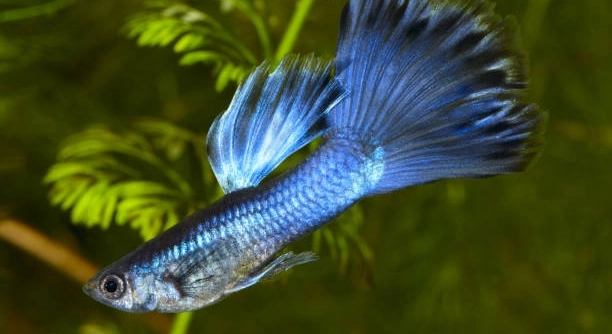
Are your guppies constantly chasing or nipping at each other, making the tank feel more chaotic than peaceful and calm?
Guppies often fight due to territorial behavior, overcrowding, competition for food, mismatched temperaments, or stress from poor water conditions. Male aggression is especially common when there are too few females or limited hiding spots.
Recognizing the root cause can help you restore harmony in your aquarium and keep your guppies safe, healthy, and thriving.
1. Territorial Behavior
Guppies can become territorial, especially when housed in a smaller tank with limited space. Males are more likely to establish certain areas as their own and may chase or nip at others who enter that space. This behavior is common in overcrowded tanks or when hiding places are limited. Providing plants, decorations, and other forms of cover helps break the line of sight and reduce tension. If guppies feel like their space is being invaded, aggression usually follows. A well-structured environment helps create boundaries that lower stress. When guppies have room to move and rest without constant interaction, the need to defend territory decreases significantly.
Territorial fighting usually happens more during feeding times or when new fish are added to the tank.
Maintaining a clean tank with appropriate décor and swimming space reduces stress and gives each guppy the chance to settle without the need for constant confrontation.
2. Mating and Gender Imbalance
Male guppies often show aggressive behavior when competing for female attention. This becomes worse when there are too many males and not enough females in the tank.
To reduce mating-related aggression, aim for a proper male-to-female ratio. A common recommendation is one male for every two or three females. This spacing helps spread out the attention each female receives and keeps males from constantly chasing one specific fish. When males are left in groups without enough females, they may redirect their energy toward other males, causing fights or dominance displays. If breeding is not your goal, consider keeping only one gender in your tank. Even with females only, peaceful schooling is more likely. Watching guppies interact calmly makes it easier to enjoy your aquarium without worrying about stress or injuries. Regular observation helps you identify early signs of imbalance so you can make adjustments before problems escalate.
3. Overcrowded Tank
An overcrowded tank increases stress, lowers oxygen levels, and leaves little room for guppies to escape or rest. This often leads to heightened aggression and more frequent fighting among the fish.
A tank that holds too many guppies doesn’t allow for natural spacing or movement. Guppies are active swimmers, and when their space is limited, they are forced into closer contact with each other. This increases the chances of nipping, chasing, and territorial disputes. Even if your tank meets the gallon-per-fish guideline, the layout and hiding spots also matter. A visually cluttered environment with plants and ornaments helps separate areas and reduce the pressure to interact constantly. Providing this structure, along with good filtration and water flow, creates a more comfortable space. When guppies can find areas to hide or swim freely without running into each other, their stress levels drop. This encourages calmer behavior and less competition.
Frequent chasing, injuries, or erratic swimming may indicate that your tank is too full. Removing a few fish or upgrading to a larger tank can restore balance. When fish feel overcrowded, they become more defensive, especially in tanks that lack separation or quiet areas. Preventing this helps maintain a healthy and relaxed environment for all guppies in the tank.
4. Lack of Hiding Spots
When guppies have no hiding spots, they feel exposed and vulnerable, which often increases their anxiety. This stress can lead to aggression, even among otherwise peaceful fish.
A bare or open tank environment forces constant interaction between guppies, especially in community tanks where fish with varying temperaments share space. Plants, rocks, driftwood, and caves give guppies places to rest or escape when they feel threatened. This visual separation lowers the chance of confrontations. Floating plants can also offer top-level cover, which is useful for fry or more timid guppies. Guppies do not need complete isolation, but the ability to withdraw when needed helps calm their behavior. Adding decorations doesn’t just improve aesthetics; it creates a more natural and peaceful environment. Spread these structures throughout the tank to break up sight lines and prevent dominant fish from controlling one area. Creating zones reduces stress and helps keep your guppies swimming peacefully.
5. Competition for Food
Guppies become aggressive when food is limited or scattered unevenly. Some may chase others away to secure more for themselves. This causes stress, injuries, and often leads to fights during feeding times.
Feeding your guppies in multiple areas of the tank helps reduce this behavior. It gives each fish a fair chance to eat.
6. Stress From Poor Water Conditions
Dirty or unbalanced water can trigger irritability and aggression in guppies. Poor conditions lower oxygen, disrupt immune systems, and make guppies feel constantly uneasy. Ammonia spikes, high nitrites, or drastic pH swings are common stress factors. These issues weaken their health and cause changes in behavior, including fighting. Testing your water weekly and doing regular water changes will help. Use a good filter and avoid overfeeding, as leftover food can pollute the tank. When water quality is stable and clean, your guppies will behave more calmly and interact without the tension that often leads to aggression.
7. Mismatched Temperaments
Some guppies naturally show more dominant or aggressive behavior than others, especially in smaller groups. Mixing bold and shy types often leads to conflict.
FAQ
Why are my male guppies constantly chasing each other?
Male guppies often chase each other to establish dominance, especially when there are not enough females in the tank. This behavior is more common in tanks where the male-to-female ratio is unbalanced. A 1:2 or 1:3 male-to-female ratio helps spread out attention and reduce tension. Chasing also happens if males feel crowded or if there are no defined territories. Adding plants or decorations to break up the space can help reduce direct interaction. A larger tank with more swimming room also encourages calmer behavior. If the chasing becomes aggressive or leads to injury, consider separating the fish.
Can female guppies fight too?
Yes, female guppies can show signs of aggression, though it’s usually less intense than what is seen in males. They may nip or chase each other over territory, food, or when stressed. Poor water conditions, overcrowding, and lack of hiding spots can increase this behavior. It’s also possible that a female is trying to escape attention from persistent males, which can make her lash out at other females. Providing a calm and stable environment with enough space, food, and plants can help reduce female aggression. Regular tank maintenance also plays a key role in keeping things peaceful.
Should I remove aggressive guppies from the tank?
If a guppy is consistently attacking others and causing harm, removing it may be the best option. Sometimes, one fish will continue to cause stress to the entire group, and separation helps restore balance. Try isolating the aggressive guppy for a few days in a separate tank or breeder box. In some cases, reintroducing it later may help, especially after rearranging the tank layout. If aggression returns, long-term separation might be necessary. Always consider whether tank conditions, stocking levels, or male-to-female ratios are contributing to the aggression before deciding to remove a fish permanently.
How can I tell if my guppies are fighting or playing?
Fighting often includes chasing, nipping at fins, and one fish repeatedly harassing another. This leads to visible injuries like torn fins or missing scales. Playful swimming, on the other hand, involves light interaction without signs of stress or damage. If one fish keeps hiding or shows ragged fins, it’s likely being bullied. Pay attention to behavior patterns and physical changes. If guppies are active but not aggressive, they are likely just exploring or reacting to their environment. Any behavior that causes harm or appears one-sided is usually a sign of fighting rather than playful interaction.
Can guppy aggression be caused by lighting?
Yes, excessive or intense lighting can stress guppies and increase aggression. Bright, continuous light can make them feel exposed and anxious, especially if there are no plants or decorations to hide behind. Keeping a regular light schedule of 8 to 10 hours a day with periods of darkness helps maintain a natural rhythm. Use soft lighting and avoid leaving the lights on 24/7. If your guppies seem restless or fight more under bright lights, consider dimming the light or adding floating plants for shade. Lighting plays a bigger role than many expect when it comes to tank behavior.
Do guppies ever calm down after fighting starts?
Yes, in some cases, guppies settle once they’ve established their social order. However, if the root cause isn’t addressed—like overcrowding, poor water, or gender imbalance—fighting may continue. Improving tank conditions, increasing space, and providing hiding spots can help. Once the environment feels safe and stable, guppies usually interact more peacefully.
Final Thoughts
Guppy aggression is more common than many expect, but it often has a clear cause. Most fights happen due to issues with space, gender imbalance, poor water conditions, or limited food. When these areas are handled properly, guppies tend to calm down and become more peaceful. Observing their behavior regularly helps you notice when something feels off. Catching these problems early is one of the best ways to avoid serious injuries or stress in your tank. It’s not always about separating the aggressive fish—it’s usually about creating an environment where aggression doesn’t need to happen in the first place.
Adjusting the male-to-female ratio is a helpful first step. A tank with too many males often leads to chasing, bullying, and exhaustion. Adding more females helps spread out attention and gives each fish time to rest. Space is just as important. Guppies in crowded tanks tend to fight more because there’s less room to swim freely or establish territory. A larger tank with decorations, plants, and hiding spots makes a big difference. It lets each guppy find its own space, and this reduces the tension that leads to fighting. Feeding routines also matter. Feeding enough and in more than one spot can prevent aggression during mealtimes.
Keeping your water clean is just as important as managing the fish themselves. Poor water conditions make guppies stressed, which can make them more likely to lash out. Regular testing and small weekly water changes help keep the water safe. A good filter, proper temperature, and stable pH are all part of a healthy tank setup. When guppies feel safe and comfortable, they act calmer. Watching them swim peacefully, interact without chasing, and show their full colors is a sign that your tank is in good balance. Staying consistent with care and being patient with changes will help you manage aggression effectively and enjoy a peaceful guppy tank.

Hello,
If you enjoy the content that we create, please consider saying a "Thank You!" by leaving a tip.
Every little bit helps us continue crafting quality advice that supports the health, happiness, and well-being of pets around the world, for pets of all shapes, sizes, and species.
We really appreciate the kindness and support that you show us!