
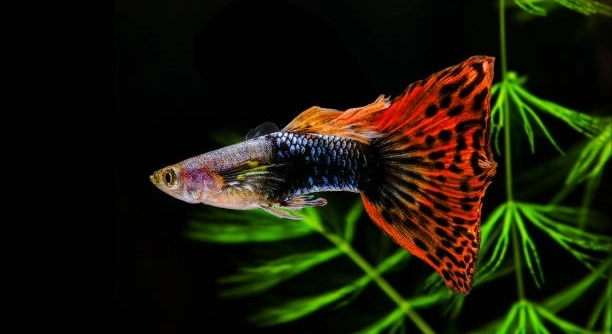
Keeping your guppy tank clean is essential for a healthy aquatic environment. Maintaining clean water prevents diseases and helps your guppies thrive. A few simple practices can make a big difference in the clarity and quality of your tank water.
To keep guppy water clean, focus on regular water changes, proper filtration, avoiding overfeeding, and maintaining the right tank conditions. These practices help reduce waste buildup, promote better water circulation, and ensure your guppies live in a safe, healthy environment.
Proper maintenance is key to a clean guppy tank. Understanding these practices will help create an ideal space for your guppies, ensuring they stay happy and healthy. Keep reading for helpful tips to achieve sparkling clean water in your aquarium.
Regular Water Changes
Changing the water in your guppy tank is the most effective way to maintain clean water. By replacing a portion of the water every week or two, you remove accumulated waste and toxins that can harm your fish. Aim to change 20-30% of the water during each cleaning session. This helps keep the water fresh and reduces the chances of harmful bacteria buildup.
Make sure to use water that’s at the same temperature as the tank to avoid shocking your fish. Also, treat the new water with a water conditioner to neutralize chlorine and chloramine, which can be harmful to guppies.
Performing regular water changes not only improves water quality but also creates a more stable environment for your guppies. If you leave the water unchanged for too long, harmful substances will build up and cause stress for your fish. Regular water changes are a simple yet effective way to keep your tank clean and your guppies healthy.
Proper Filtration
A good filtration system is essential for keeping the water in your tank clean. Filters help remove excess waste and particles from the water, creating a healthier environment for your guppies. Choose a filter that is appropriate for the size of your tank and the number of fish.
The filter should be cleaned regularly to prevent clogs. If the filter is clogged, it won’t work effectively, which means your tank water can become polluted. Cleaning or replacing the filter media every month ensures it keeps working as it should, maintaining clear water.
A reliable filter reduces the frequency of water changes, making maintenance easier and preventing dangerous buildups of ammonia and nitrites. A properly functioning filter is one of the best ways to ensure that the water in your guppy tank stays clean for longer.
Avoid Overfeeding
Overfeeding is one of the biggest mistakes when it comes to maintaining clean water. Leftover food quickly breaks down in the tank, contributing to waste and causing water to become cloudy. To prevent this, feed your guppies only what they can consume in a few minutes.
A good rule of thumb is to feed small portions multiple times a day rather than one large feeding. Guppies have small stomachs, so overfeeding not only leads to poor water quality but can also harm their health. It’s better to start with a small amount and add more if needed.
Overfeeding can also lead to excess nutrients in the water, which can promote the growth of harmful algae. This creates an unappealing green haze and puts additional stress on your filtration system. By feeding carefully and observing your guppies, you can avoid these issues and keep your tank water cleaner for longer.
Maintain Proper Tank Conditions
The temperature and pH of the water are crucial to keeping your guppies healthy and ensuring clean water. Guppies prefer a temperature range of 72-82°F (22-28°C). If the water is too warm or too cold, it can lead to stress, weakened immune systems, and water quality problems.
The pH level of the tank water should ideally be between 6.8 and 7.8. Too high or too low a pH can cause imbalances that negatively affect both fish and water quality. Regularly test the water to ensure it remains within these parameters.
Maintaining consistent tank conditions helps prevent water problems. Sudden changes can stress out your fish and lead to ammonia spikes, which dirty the water. Keep your guppies comfortable with stable water conditions, and the tank will remain cleaner and healthier.
Avoid Overstocking the Tank
Overstocking the tank with too many guppies creates more waste than the filtration system can handle, leading to poor water quality. It’s important to avoid cramming the tank with too many fish. A good guideline is one inch of fish per gallon of water.
Overstocking can also cause stress among the fish, leading to aggressive behavior and illness. When fish are crowded, they compete for space and resources, which can lead to dirty water quickly. Keeping the tank at a reasonable stocking level ensures everyone has enough space and helps maintain a clean environment.
By following stocking guidelines, you’ll give your guppies plenty of room to thrive and make it easier to maintain clean water.
Use Live Plants
Live plants do more than just look pretty in the tank—they also help maintain clean water. Plants absorb excess nutrients like nitrates and phosphates, which are byproducts of fish waste. This reduces the chances of algae growth, keeping the water clear.
In addition to cleaning the water, live plants provide guppies with hiding spots and help create a more natural environment. Plants also improve oxygen levels in the tank, which benefits your fish’s health. Choose plants that are easy to care for, like Java moss or Anubias, and place them around the tank for maximum benefit.
Having live plants is an easy and natural way to keep your guppy tank clean while adding beauty to the space.
Remove Debris Regularly
Debris like uneaten food, fish waste, and plant matter quickly accumulates in the tank. If not removed, this waste can pollute the water and cause problems with the water’s clarity and quality. Use a small aquarium vacuum to remove any debris from the substrate.
A quick debris check every few days can keep your tank in good shape. If left too long, debris breaks down and creates toxins that harm both the fish and water quality. Regularly cleaning the substrate ensures that waste doesn’t build up and contribute to cloudy, unhealthy water.
Keeping the tank free of debris helps your guppies stay healthy and the water cleaner.
FAQ
How often should I change the water in my guppy tank?
It’s recommended to change 20-30% of the water every 1-2 weeks. This helps remove toxins, waste, and keeps the water fresh. If you have more guppies or a smaller tank, you may need to do it more often. Regular water changes are vital for maintaining a healthy environment.
Be sure to replace the water with water that is treated to remove chlorine and chloramine. Also, check the temperature to ensure it matches the tank water, preventing any shock to your fish. If you’re using a filter, it can help reduce the frequency of water changes, but they are still necessary.
Over time, the buildup of waste and toxins will affect water quality, so don’t skip water changes. If the water looks cloudy or has a strong smell, it’s time to change it even if you’re still within the recommended interval.
What should I do if my guppy tank is cloudy?
Cloudy water in a guppy tank is often a sign of poor filtration or excess waste. If you notice this, first check your filtration system. Make sure it is clean and working properly. If the filter is clogged or not strong enough for your tank size, it won’t be able to remove waste efficiently.
You can also perform a water change to remove excess nutrients and improve clarity. Sometimes, cloudy water is caused by a bacterial bloom, which occurs when there is too much organic material in the tank. In this case, cleaning the tank thoroughly and removing uneaten food can help.
Make sure you aren’t overfeeding your guppies, as uneaten food can decay and contribute to cloudiness. Consistent cleaning, proper filtration, and feeding the right amount should solve the issue in most cases.
Can I use tap water for my guppy tank?
You can use tap water for your guppy tank, but you must treat it before adding it to the aquarium. Tap water often contains chlorine, chloramine, and other chemicals that are harmful to fish. Using a water conditioner can neutralize these substances and make the water safe for your guppies.
Before adding tap water, check the temperature and make sure it matches the water in the tank to prevent stressing your fish. It’s also a good idea to test the pH and hardness of the water, as tap water varies depending on your location.
Always let the treated water sit for a while before adding it to the tank, and ensure your filter is working well to maintain the water quality. Regularly testing the water ensures it stays within the right parameters for your guppies.
What kind of filter is best for a guppy tank?
For a guppy tank, a filter with gentle water flow is ideal. Guppies don’t like strong currents, so a filter with adjustable flow or one that offers low to medium water movement is best. Sponge filters are a popular choice as they provide effective filtration without disturbing the guppies.
Canister filters and hang-on-back filters are also great options, as they offer more powerful filtration. However, be sure to choose a filter that suits the size of your tank. A filter that is too strong for a small tank can stress your guppies, while one that is too weak will not clean the water efficiently.
Regular cleaning and replacing filter media are important to ensure the filter continues to work effectively. A well-maintained filter helps prevent water quality issues and keeps your tank healthy.
How do I prevent algae from growing in my guppy tank?
Algae thrive in tanks with excess nutrients, often caused by overfeeding, poor water changes, and sunlight. To prevent algae growth, avoid overfeeding your guppies. Any leftover food should be removed promptly to prevent it from breaking down into nutrients that fuel algae.
Ensure your tank is not exposed to direct sunlight, as this can encourage algae to grow. If your tank gets a lot of sunlight, consider adding aquarium curtains or moving the tank to a shaded area. Regular water changes and maintaining proper filtration also help control algae growth.
Live plants in the tank can help by competing with algae for nutrients. They absorb the excess nutrients that algae need, keeping the water clean and reducing algae blooms. Some fish, like snails and certain species of shrimp, can also help keep algae in check.
Is it okay to have decorations in the tank?
Yes, decorations can enhance the look of your guppy tank, but they should be chosen carefully. Make sure they are made from aquarium-safe materials like ceramic, glass, or plastic. Avoid anything sharp or rough, as it can injure your fish.
Decorations like rocks, driftwood, and plants provide hiding places and create a more natural environment for your guppies. However, they can trap debris, so it’s important to clean them regularly. Use a soft brush to remove algae buildup and prevent waste from collecting in hard-to-reach areas.
Having too many decorations can crowd the tank and make it harder to clean. Keep decorations minimal to maintain open swimming space for your guppies and make tank maintenance easier.
How can I keep my guppy tank clean without a filter?
If you don’t want to use a filter, you’ll need to rely more on regular water changes, tank maintenance, and monitoring water quality. Without a filter, waste accumulates faster, so more frequent water changes—about 30-50% weekly—are essential to keep the tank clean.
You’ll also need to clean the substrate regularly. Using a gravel vacuum or siphon can help remove waste and uneaten food from the bottom of the tank. Additionally, live plants can help absorb excess nutrients, making it easier to maintain clean water.
Be cautious with stocking levels, as more fish means more waste. Without a filter, it’s important to keep the tank lightly stocked to prevent water quality issues.
How many guppies can I have in my tank?
The general rule is to have one inch of fish per gallon of water. Guppies are small, usually around 1-2 inches long, so you can typically have one guppy per gallon. However, consider the overall tank environment and ensure there is enough space for your guppies to swim freely.
Overstocking the tank can lead to poor water quality, stress, and aggression. A crowded tank makes it harder to keep the water clean and can also overwhelm the filtration system. It’s best to stick to the recommended stocking limits to ensure a healthy and clean environment.
If you want to add more guppies, it’s important to increase the size of your tank accordingly to maintain water quality and give them enough space.
Final Thoughts
Maintaining clean water in a guppy tank doesn’t have to be complicated, but it does require regular attention. Simple tasks like performing routine water changes, monitoring feeding habits, and using the right filtration system go a long way in keeping your guppies healthy. While it may seem like a lot of work at first, once you develop a routine, it becomes second nature. These small practices will not only improve the water quality but also create a more stable environment for your fish, reducing the risk of illness and stress.
It’s important to remember that the health of your guppies is closely tied to the quality of their water. By providing a clean and balanced environment, you help them thrive and enjoy a long, happy life in your tank. Overfeeding and overstocking are two common mistakes that can lead to water problems, so always be mindful of how many fish you have and how much food you’re giving them. Regularly test the water and adjust as necessary to ensure the temperature, pH, and other factors are within the optimal range for your guppies.
Ultimately, the key to maintaining a healthy guppy tank is consistency. As long as you stay on top of routine maintenance and make sure to keep the water clean, your guppies will enjoy a thriving environment. It doesn’t require a lot of effort, just a bit of attention and the right tools. By following these tips, you can enjoy a crystal-clear tank and happy, healthy fish for years to come.

Hello,
If you enjoy the content that we create, please consider saying a "Thank You!" by leaving a tip.
Every little bit helps us continue crafting quality advice that supports the health, happiness, and well-being of pets around the world, for pets of all shapes, sizes, and species.
We really appreciate the kindness and support that you show us!