
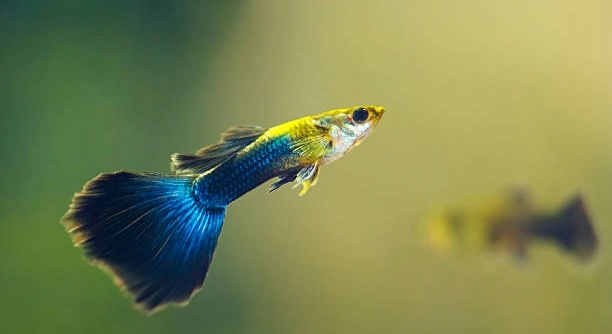
Guppies are small, vibrant fish that can be a joy to keep in any aquarium. But, like all pets, they have specific needs to thrive. One common question among new guppy owners is whether air pumps are necessary for their well-being.
Guppies can live without air pumps as long as their tank is properly maintained. They need oxygen-rich water, which can be provided by a filter or through surface agitation, making an air pump unnecessary if other conditions are met.
There are a few things to consider when deciding if you should use an air pump in your guppy tank. Understanding how to create a healthy environment for them can help ensure their happiness and longevity.
Do Guppies Need Air Pumps to Survive?
Guppies are hardy fish that are relatively easy to care for. Air pumps are often seen as essential for maintaining proper oxygen levels, but it’s important to note that guppies can survive without them. The key factor here is ensuring that their tank environment is well-maintained and that there is enough oxygen in the water.
Guppies do not require an air pump if you have a good filtration system. A filter helps circulate the water, which ensures proper oxygen exchange. Additionally, maintaining proper water surface agitation can also provide enough oxygen for them.
While air pumps are useful in certain situations, they are not always necessary. If your tank is small and you have a quality filter, you can get by without the extra equipment. However, if your tank is large or overstocked with fish, an air pump might help improve oxygen levels and prevent stagnation.
Why Filtration Matters for Guppies
The filter plays a vital role in guppy care, and it does more than just clean the water. It helps create water movement, which is essential for guppies to receive oxygen.
When water flows through the filter, it causes a slight ripple at the surface. This surface agitation helps oxygenate the water, which is especially important if your tank lacks an air pump. If you have a filter with adjustable flow, you can fine-tune it to make sure the water moves without stressing the fish. Proper filtration ensures that your guppies can breathe comfortably while keeping the tank environment healthy.
If your filter is not creating enough surface agitation, you might need to add an air pump to provide extra oxygenation. It’s important to monitor the water’s oxygen levels to make sure your guppies remain healthy.
Can Guppies Thrive Without an Air Pump?
Guppies are adaptable fish and can thrive without an air pump under the right conditions. If the tank has sufficient water movement and proper filtration, they can get enough oxygen to stay healthy.
Even without an air pump, guppies can live comfortably in a well-maintained tank. A quality filter will help oxygenate the water by creating surface agitation, which ensures your fish get enough oxygen. It’s also important to avoid overcrowding, as too many fish can deplete oxygen levels. If the tank is too small or lacks filtration, the water may not have enough oxygen, and an air pump would be helpful.
Regular water changes are another way to keep oxygen levels up. Fresh water usually has a higher oxygen content than stagnant water. In addition to good filtration, this can help your guppies breathe easier and stay healthy. Pay attention to your tank’s conditions, and you’ll know if you need to add an air pump or if your current setup is enough.
Signs of Poor Oxygen Levels in Guppies
If your guppies are struggling to get enough oxygen, they may show signs of stress. These signs include rapid gill movement, fish staying near the water’s surface, or unusual swimming behavior.
When guppies do not get enough oxygen, they tend to move to the top of the tank more often. This is because they instinctively know that oxygen levels are higher near the surface. Another sign of low oxygen is gasping for air or panting, especially if the fish are not active or are swimming sluggishly. In such cases, it’s important to address water quality quickly. Increasing surface agitation with a filter or adding an air pump can help improve oxygen levels.
If you notice your guppies showing these signs, it’s crucial to act fast. A simple fix like increasing water movement or changing water can make a big difference. In some cases, adding an air pump may be necessary to maintain healthy oxygen levels. Pay attention to your fish’s behavior, and you’ll be able to tell if more oxygen is needed.
When to Use an Air Pump for Guppies
Air pumps can be helpful in certain situations, especially in larger tanks or tanks with many fish. They provide extra oxygen and ensure good water circulation.
If your tank has a high fish density or a lot of plants, an air pump may be necessary. Guppies produce waste that can cause oxygen depletion in a crowded tank, so extra aeration can prevent this. An air pump can also help if your filter is not strong enough to keep water moving effectively. The extra oxygen will help your fish stay healthy and prevent stress.
The Role of Tank Size in Oxygen Levels
Tank size plays an important role in the oxygen levels available for guppies. Smaller tanks can become oxygen-deprived more quickly compared to larger tanks.
In smaller tanks, the water tends to stagnate faster, leading to lower oxygen levels. This is especially true if the tank is overstocked. Larger tanks have more water, which can help maintain oxygen levels for a longer period, even without an air pump. If your guppy tank is small, it may need an air pump to prevent oxygen depletion, especially if you have multiple fish. The larger the tank, the easier it is to maintain proper oxygen levels.
How to Maintain Proper Oxygen Levels Without an Air Pump
To maintain proper oxygen levels without an air pump, focus on filtration, surface agitation, and water changes. A good filter will help circulate the water and oxygenate the tank.
Proper water movement at the surface is crucial for oxygen exchange. Ensure your filter creates enough surface agitation to help oxygenate the water. Also, avoid overcrowding and perform regular water changes to refresh the oxygen levels. Keeping the tank clean and well-maintained will reduce the need for an air pump, but if you notice any signs of oxygen deficiency, consider adding one.
FAQ
Do guppies need an air pump in their tank?
Guppies do not necessarily need an air pump if the tank has proper filtration and water movement. A good filter can provide adequate oxygenation by creating surface agitation, which helps exchange gases. As long as the water is circulating properly and you avoid overcrowding, your guppies can thrive without an air pump.
Can a filter alone provide enough oxygen for guppies?
Yes, a filter can provide enough oxygen for guppies as long as it creates sufficient surface agitation. The movement at the water’s surface allows oxygen to enter the water and helps remove carbon dioxide. Filters are designed to keep the water circulating, which is essential for oxygen exchange.
How do I know if my guppies need an air pump?
You may need an air pump if you notice your guppies gasping at the surface or swimming near the top of the tank more frequently. These are signs that the water’s oxygen levels are too low. Additionally, if the tank is overcrowded or if your filter isn’t creating enough surface agitation, an air pump might help.
Can overcrowding affect oxygen levels in a guppy tank?
Yes, overcrowding can reduce oxygen levels. More fish in the same space means more waste, which can deplete the oxygen in the tank. If your tank is too full, you might need an air pump to ensure your guppies have enough oxygen to stay healthy. Proper filtration and regular water changes also help manage oxygen levels in overcrowded tanks.
How often should I change the water in my guppy tank?
Water changes are important to maintain water quality and oxygen levels. You should change 20-30% of the water every week or two, depending on the tank size and fish load. Regular water changes help reduce waste buildup and replenish oxygen levels, ensuring a healthy environment for your guppies.
Can adding live plants improve oxygen levels for guppies?
Yes, live plants can help improve oxygen levels in your tank. Plants undergo photosynthesis, which releases oxygen during the day. However, at night, plants consume oxygen, so it’s important to balance the number of plants in the tank with the fish population. Plants also help remove excess carbon dioxide, contributing to a healthier aquatic environment.
Is it better to use an air pump with a small or large tank?
In smaller tanks, an air pump may be necessary to provide adequate oxygen, especially if the filter cannot create enough surface agitation. In larger tanks, water movement is more easily maintained, so an air pump is often not required. However, if you have a heavily stocked tank, an air pump can help maintain oxygen levels, even in a larger tank.
How can I increase oxygen levels without an air pump?
If you don’t want to use an air pump, focus on improving water circulation. Make sure your filter is running effectively, and consider adding a surface skimmer to increase water movement. You can also add water features like a bubbler or even adjust the filter flow to create more surface agitation. Regular water changes are also crucial for maintaining oxygen levels.
Can guppies survive in low-oxygen conditions?
While guppies are adaptable, they can’t survive for long in low-oxygen conditions. They may become stressed, display abnormal behavior, or even die if the oxygen levels in their tank are too low. It’s important to monitor their behavior and ensure proper water circulation and filtration to prevent oxygen deprivation.
Do guppies breathe differently from other fish?
Guppies breathe like most fish, through their gills. They extract oxygen from the water as it flows over their gills. However, because guppies are small and often live in smaller aquariums, their oxygen needs can be more sensitive to changes in water quality, making it important to maintain proper filtration and water movement.
How can I prevent oxygen depletion in my guppy tank?
To prevent oxygen depletion, keep your tank clean and ensure proper filtration. Regular water changes and avoiding overcrowding are essential steps. A filter that creates surface agitation will help oxygenate the water, and live plants can also help balance oxygen levels. If you notice signs of low oxygen, consider adding an air pump or adjusting the filter.
Should I use an air pump if my filter is already doing its job?
If your filter is creating enough water movement and surface agitation, an air pump may not be necessary. However, if your filter is underpowered or if you have a larger tank with many fish, adding an air pump could help ensure there’s enough oxygen for all the fish. Always monitor your fish for signs of stress or low oxygen and adjust accordingly.
Can guppies live without an air pump in outdoor ponds?
In outdoor ponds, guppies can often live without an air pump, as the water’s surface movement due to wind or rain can provide natural oxygenation. However, if the pond is small or doesn’t have sufficient water circulation, an air pump may still be necessary to maintain healthy oxygen levels. Regular water changes are also essential for outdoor setups.
What’s the best way to monitor oxygen levels in a guppy tank?
To monitor oxygen levels, observe your guppies closely. If they are swimming at the surface or breathing rapidly, the oxygen levels may be low. You can also use an oxygen meter to get precise measurements, but for most hobbyists, watching the fish behavior and ensuring good filtration and water movement is sufficient.
Are there any risks to using an air pump?
Air pumps are generally safe, but using them incorrectly can cause issues. Too much surface agitation can stress fish by making the water too turbulent. Additionally, air pumps can sometimes create too much noise. Make sure the air pump is appropriately sized for your tank and adjust it if needed to maintain a calm environment for your guppies.
Final Thoughts
When it comes to keeping guppies, they are fairly easy to care for, but ensuring their environment is suitable for them is key. While an air pump can help maintain oxygen levels in the tank, it is not always necessary. If your tank has a quality filter that creates surface agitation, the water can be properly oxygenated without the need for an additional pump. In many cases, the filter is enough to circulate water and allow the exchange of gases, which is essential for guppies to thrive. It’s important to focus on the balance between proper filtration, water movement, and avoiding overcrowding to maintain a healthy environment for your fish.
However, there are situations where an air pump becomes helpful, especially in larger or overstocked tanks. In tanks with many fish, oxygen levels can drop quickly due to the amount of waste being produced. A pump can provide additional aeration, ensuring that all fish get enough oxygen. This is particularly crucial for tanks that lack sufficient water movement or where the filter cannot create enough surface agitation. In these cases, adding an air pump can make a big difference, preventing stress and ensuring that the guppies stay healthy and active.
Ultimately, the decision to use an air pump will depend on your tank’s specific conditions. By regularly monitoring water quality, keeping an eye on your guppies’ behavior, and ensuring the tank is well-maintained, you can avoid many potential problems. If your guppies are swimming near the surface or exhibiting signs of stress, it’s time to evaluate the oxygen levels in your tank. Regular water changes and a proper filtration system should be the first steps, and if necessary, an air pump can provide the extra boost needed to keep your guppies happy and healthy.

Hello,
If you enjoy the content that we create, please consider saying a "Thank You!" by leaving a tip.
Every little bit helps us continue crafting quality advice that supports the health, happiness, and well-being of pets around the world, for pets of all shapes, sizes, and species.
We really appreciate the kindness and support that you show us!