
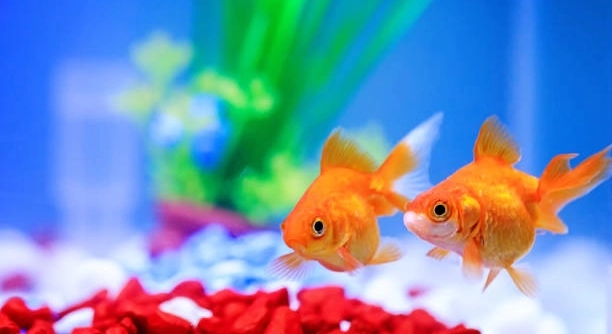
Goldfish are popular pets for many, but their behavior can sometimes be puzzling. One common question is why they rub against decorations in their tank. This article will explore the reasons behind this curious action.
Goldfish may rub against decorations for various reasons such as irritation from external parasites, excess mucus production, or discomfort caused by water quality issues. It can also indicate stress or the need for more stimulation in the environment.
Understanding these behaviors can help you address your goldfish’s needs and ensure its well-being. From water conditions to potential health issues, we’ll explain why this behavior happens and how you can prevent it.
1. External Parasites
Goldfish rubbing against tank decorations is often a sign of external parasites like ich or flukes. These microscopic organisms attach to the fish’s skin, causing irritation. Goldfish will try to rub against objects to alleviate the discomfort. You may also notice white spots on their bodies, a common symptom of ich.
External parasites are a common issue for goldfish. These tiny creatures can cause stress and weaken their immune system. They can easily spread in overcrowded or improperly maintained tanks.
To deal with external parasites, you may need to treat the tank with special medications. Make sure the water conditions are stable, and avoid overstocking the tank to reduce the chances of parasites. Regular cleaning and water changes can also help keep your fish safe from these unwanted visitors.
2. Poor Water Quality
If the water in your goldfish tank isn’t clean or balanced, it can cause your fish to feel stressed. When water parameters like pH, ammonia, or nitrite levels are off, it can irritate your goldfish’s skin and gills. This discomfort may lead them to rub against decorations.
Water quality is essential for the health of your goldfish. Fish are very sensitive to changes in their environment, and poor water conditions can lead to a variety of health issues. Ammonia spikes, for instance, can burn a goldfish’s skin, prompting them to scratch against surfaces for relief. You may notice them acting more erratically, or the tank might develop an unpleasant smell.
To prevent poor water quality, regularly test your tank’s water and perform routine water changes. Ensure proper filtration is in place and that the tank is not overcrowded. Keeping your goldfish’s home clean and stable will reduce stress and help them thrive.
3. Excess Mucus Production
Sometimes, goldfish rub against decorations because they are producing excess mucus. This can be a response to irritation from poor water conditions, parasites, or injury. The thick mucus coat protects their skin, but it can build up, making the fish feel the need to rub.
Excess mucus production often happens when goldfish are stressed or unwell. This protective layer may feel uncomfortable, prompting the fish to rub against the tank’s decorations. It can be a sign that something in the environment isn’t quite right, whether it’s temperature fluctuations, poor water quality, or parasites.
To reduce mucus buildup, focus on improving the tank’s environment. Check the water quality, ensure the temperature is consistent, and monitor for signs of illness or parasites. Providing a comfortable, stable environment can help your fish naturally reduce excessive mucus production and feel more at ease.
4. Stress and Anxiety
Stress is another common reason for your goldfish’s behavior. Changes in the tank, such as moving them to a new environment, too much noise, or too little space, can make your goldfish feel uneasy. When stressed, goldfish will often seek ways to calm themselves, like rubbing against tank decorations.
A stressed fish may also show other signs, like swimming erratically or hiding. Goldfish are sensitive creatures, and a lack of mental stimulation can add to their anxiety. Constant exposure to stressors can make them feel trapped, leading to repetitive behaviors like rubbing.
To alleviate stress in your goldfish, create a calm, stable environment. Ensure they have enough space and add hiding spots or plants to reduce their anxiety. Reducing noise, limiting bright lights, and avoiding sudden changes to their habitat can also make a big difference.
5. Lack of Stimulation
Goldfish are active and curious creatures, and when they lack stimulation, they may rub against objects. In a tank with little to interact with, they can get bored, leading to behaviors like rubbing against decorations. Offering variety and enrichment can help.
Adding plants, hiding spots, and other decorations can reduce boredom and promote healthy behaviors. Goldfish enjoy exploring their environment, so make sure there are areas to swim through or hide in. Interactive objects can keep them engaged, helping prevent rubbing behavior caused by inactivity.
Additionally, consider rotating decorations and rearranging the tank layout to give your fish a new perspective. This keeps their environment interesting and encourages natural behaviors. By providing more to explore and interact with, your goldfish will feel more stimulated and less likely to rub against surfaces.
6. Injury or Wounds
If your goldfish has been injured, it may rub against decorations to relieve irritation or to scratch an affected area. Scratches or cuts on their body can become inflamed and itchy, causing them to seek relief by rubbing surfaces.
Check your fish carefully for signs of injury. If your goldfish has visible wounds, treat them by providing clean, calm water conditions. It’s important to ensure the water quality is ideal, as dirty water can make the injury worse or lead to infection. Keep a close eye on any changes in behavior and appearance.
If you suspect an injury, you can use aquarium-safe treatments to help with healing. It may also be helpful to remove any sharp objects or rough decorations that could cause further damage. Be patient as your goldfish recovers, and ensure it has a stress-free environment to heal.
7. Temperature Fluctuations
Goldfish are sensitive to temperature changes in their environment. If the water temperature fluctuates too much, it can cause stress and lead to behaviors like rubbing against tank decorations. Consistent water temperature is key to keeping them comfortable.
Sudden changes in temperature can shock your goldfish and make them feel uncomfortable. This could cause them to rub their bodies against objects to relieve the sensation of discomfort. Use a reliable heater to maintain a stable temperature, avoiding extremes in heat or cold.
To monitor water temperature, use an aquarium thermometer. Keeping the temperature steady helps ensure your goldfish remain calm and healthy.
8. Overcrowding in the Tank
Overcrowding can increase stress for goldfish, leading them to rub against objects. When a tank is too small or overcrowded, your goldfish may not have enough space to swim comfortably, resulting in this type of behavior.
To prevent overcrowding, ensure your tank is large enough for the number of goldfish it houses. Overcrowding not only causes physical stress but also increases the risk of poor water quality. Keep an eye on the fish’s behavior, and avoid putting too many fish in the tank.
A tank with adequate space allows each goldfish to establish its territory and reduces stress. This also promotes better water circulation, improving overall tank conditions.
9. Inappropriate Tank Setup
An improper tank setup can lead to rubbing behavior in goldfish. Sharp or rough decorations, such as gravel or jagged edges, can scratch their skin and cause irritation. A well-set-up tank with smooth surfaces and rounded decorations is essential.
To prevent injury, opt for smooth rocks, plants, and decorations that won’t harm your goldfish. Avoid using rough gravel or sharp-edged decorations that can damage their sensitive skin. Regularly check the tank setup to ensure everything is safe and comfortable for your fish.
FAQ
What are the most common reasons for goldfish rubbing against decorations?
Goldfish may rub against decorations for several reasons, such as external parasites, poor water quality, or stress. Irritation from parasites like ich or flukes is a frequent cause, as goldfish attempt to relieve the discomfort by rubbing. Poor water conditions, such as high ammonia levels or fluctuating temperature, can also lead to this behavior. Additionally, a lack of stimulation in the tank can cause boredom, prompting the goldfish to rub against objects. Checking your fish for visible signs of illness and maintaining proper water conditions can help address this issue.
Can goldfish rubbing against objects be a sign of illness?
Yes, rubbing against objects can be a sign that your goldfish is unwell. When goldfish have parasites or infections, they may feel itchy or irritated. This can lead them to scratch against surfaces to relieve the discomfort. Other signs of illness to watch for include changes in swimming patterns, loss of appetite, or changes in color. If your goldfish is rubbing, it’s important to check for symptoms of external parasites or injuries and treat the tank accordingly. If the behavior continues, consulting with a vet is recommended.
How can I prevent my goldfish from rubbing against the tank?
To prevent your goldfish from rubbing against the tank, focus on maintaining optimal water quality and a stress-free environment. Regularly test the water to ensure ammonia, nitrites, and pH levels are within safe ranges. A stable water temperature is also essential. If there are any signs of parasites, treat the tank with the appropriate medication. Adding enrichment like plants, rocks, and hiding spots can reduce boredom, and ensure the tank isn’t overcrowded. A calm, clean environment will help reduce the likelihood of rubbing.
Could overcrowding in the tank cause my goldfish to rub against decorations?
Yes, overcrowding can cause your goldfish to feel stressed, leading them to rub against decorations. When too many fish are in one tank, it increases competition for space, oxygen, and food. Overcrowding also affects water quality, as more waste is produced, which can create unhealthy conditions. This added stress can lead to abnormal behaviors like rubbing. It’s important to ensure the tank size is adequate for the number of goldfish. A good rule is about 20 gallons of water per goldfish, with extra space for each additional fish.
What signs should I look for if my goldfish is rubbing against decorations because of parasites?
If your goldfish is rubbing against decorations due to parasites, you may notice small white spots on its body or fins, especially if the problem is ich (white spot disease). The fish may also appear lethargic, scratch against surfaces frequently, or exhibit erratic swimming. Some external parasites, like flukes, can cause similar behavior. If you suspect your goldfish has parasites, it’s important to treat the tank with the appropriate medications. Be sure to follow the instructions carefully and make sure the whole tank is treated, not just the affected fish.
What is the best way to treat goldfish for external parasites?
The best way to treat external parasites is by using aquarium-safe medications designed for the specific type of parasite your goldfish has. For example, copper-based treatments are commonly used for ich, while formalin-based treatments work well for flukes. Before treating, make sure to remove any carbon filters from your filtration system, as they can remove the medication from the water. It’s important to follow the dosage and treatment duration carefully, as overdosing can harm your fish. Also, make sure the water quality is optimal to help your goldfish recover.
Can temperature fluctuations cause goldfish to rub against objects?
Yes, temperature fluctuations can cause stress in goldfish, leading them to rub against decorations. Goldfish are sensitive to sudden changes in temperature, and an unstable environment can make them feel uncomfortable. This stress can cause them to exhibit abnormal behaviors, such as rubbing. It’s important to keep the water temperature stable, ideally between 65-75°F (18-24°C) for goldfish. Using a reliable aquarium heater and thermometer can help you maintain consistent temperatures, minimizing stress and promoting a healthy environment for your fish.
How can I ensure my goldfish’s tank setup is safe and comfortable?
To ensure your goldfish’s tank setup is safe and comfortable, choose decorations with smooth edges and avoid sharp objects that could cause injury. Use rounded rocks, soft plants, and aquarium-safe decorations. The substrate should be fine gravel or sand to avoid damaging your fish’s sensitive skin. Keep the tank clean by performing regular water changes and checking the filtration system. Proper aeration and space are also crucial; goldfish need plenty of room to swim and adequate oxygen levels to thrive. Regularly monitor water parameters to ensure they stay within safe levels.
How do I know if my goldfish is rubbing due to stress or injury?
If your goldfish is rubbing due to stress, you may notice other signs of anxiety, such as erratic swimming, hiding, or staying near the surface. Stress can result from overcrowding, poor water quality, or sudden changes in the environment. Injury, on the other hand, is typically accompanied by visible signs, such as cuts or scrapes. If the fish is rubbing against decorations, but you don’t see any obvious injuries, it’s likely due to stress. However, if there are wounds, it’s important to treat them immediately with appropriate treatments to prevent infection.
Can I use any medication to treat goldfish rubbing against decorations?
Using medication can help if your goldfish is rubbing against decorations due to external parasites or infections. However, you should first identify the cause before choosing a treatment. For parasites, use medications such as formalin, copper-based treatments, or praziquantel. For wounds or injuries, an antibacterial treatment can help. Always follow the instructions on the product label, and be cautious not to overmedicate. Additionally, improving water quality and removing any sharp or rough objects from the tank can help reduce rubbing behavior.
What can I do if my goldfish is rubbing because of boredom?
If boredom is the cause of your goldfish rubbing against decorations, adding more stimulation to the tank can help. Consider adding plants, hiding spots, and other interactive decorations like tunnels or floating toys. Goldfish are naturally curious and active, so providing a varied environment will encourage them to explore and play. Rearranging the tank occasionally can also make things interesting for them. Make sure your goldfish has enough space to swim freely and avoid overcrowding the tank, as this can lead to further stress.
Final Thoughts
Understanding why your goldfish rubs against decorations is an important step in ensuring their health and happiness. There are several reasons behind this behavior, such as external parasites, poor water quality, stress, or boredom. By paying attention to the signs and maintaining a clean, stable environment, you can address the cause and help your goldfish feel more comfortable. Regularly monitoring water conditions, providing enough space, and creating an enriching environment will reduce the chances of rubbing behavior.
If the issue is caused by parasites, it is important to treat the tank with the appropriate medications as soon as possible. Always make sure to follow the instructions carefully and treat the entire tank to prevent the spread of parasites. Additionally, ensuring the water temperature remains stable is crucial to keeping your goldfish healthy. Fluctuations in temperature can add stress and make the situation worse. Keeping the water clean and performing regular water changes will also help prevent other potential issues like ammonia spikes.
While some rubbing behavior is natural, especially when goldfish are exploring or adjusting to their environment, constant rubbing could indicate an underlying issue. If you notice that the behavior continues despite your efforts to improve water quality and tank conditions, it may be time to consult a vet or an aquarium specialist. Taking quick action can help your goldfish recover and reduce their discomfort. By staying proactive and attentive to their needs, you can ensure your goldfish remain healthy, happy, and active in their home.

Hello,
If you enjoy the content that we create, please consider saying a "Thank You!" by leaving a tip.
Every little bit helps us continue crafting quality advice that supports the health, happiness, and well-being of pets around the world, for pets of all shapes, sizes, and species.
We really appreciate the kindness and support that you show us!