
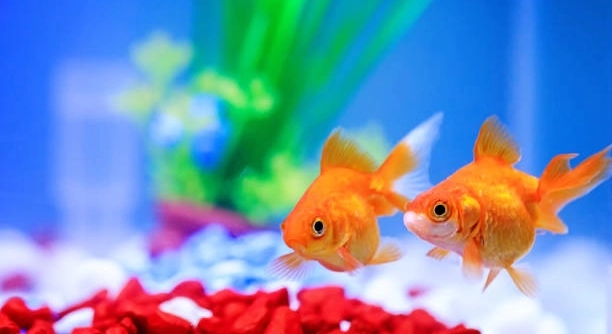
Goldfish are fascinating creatures, often underestimated for their intelligence and sensory abilities. While we may not always think about how they perceive the world, they do respond to stimuli around them, including sound.
Goldfish can hear sounds through vibrations in the water, using specialized structures to detect them. Though they don’t have ears like humans, their ability to sense underwater vibrations allows them to respond to noises, such as water movement or even speech.
There are a few key signs that can help you tell if your goldfish is reacting to your voice or other sounds in the environment. Understanding these can help strengthen your bond with your fish and enhance its care.
Goldfish Can Hear Through Vibrations
Goldfish may not have ears like humans, but they can still hear sounds through vibrations in the water. They have a structure called the “lateral line,” which runs along their body and detects vibrations. This allows them to sense sounds like bubbles, the flow of water, or even tapping on the glass. When you speak or make noise near the tank, your goldfish may feel the vibrations through the water.
Goldfish can respond to sounds or movements because of the vibrations they pick up. While they don’t “hear” in the same way we do, they’re certainly aware of their surroundings.
If you’ve ever noticed your goldfish swimming toward you when you talk, it’s likely they’re picking up on the sound vibrations. They might not recognize your voice, but they may associate it with food, attention, or other positive experiences. When they move toward you after hearing sounds, it’s a sign they are detecting vibrations in the water. It’s fascinating how sensitive they can be to even the smallest changes in their environment.
Goldfish React to Changes in Water Movement
Goldfish are particularly sensitive to changes in water movement. A shift in the current can make them aware of their surroundings.
If you tap the tank or make sudden movements near the aquarium, your goldfish may react. This is because they can sense disturbances in the water, even subtle ones. Over time, your goldfish might learn to associate certain movements or sounds with specific events, like feeding time or interaction. They are quick learners and can pick up on these cues, even though they don’t process sound the same way we do.
Goldfish Are Sensitive to Your Voice
Goldfish can pick up on vibrations from your voice. While they don’t hear it the same way we do, the sound travels through the water. If you’re talking near the tank, your goldfish may notice your presence and respond. Their sensitivity to sound is more about how it moves through the water.
If you talk to your goldfish regularly, it may begin to associate your voice with food or attention. Over time, they may swim to the surface or even come closer to the glass when they hear you speak. This behavior indicates they recognize the sound vibrations and react to them.
Goldfish are capable of remembering patterns. If they consistently hear your voice before being fed or receiving attention, they can make a connection. This doesn’t mean they understand the words, but they can link the sound to an experience, showing that they’re more aware of their environment than often assumed.
Goldfish Can Distinguish Different Frequencies
Goldfish can also detect different frequencies of sound, though their range is more limited compared to humans. They are particularly sensitive to lower frequencies. These are the vibrations they’re most likely to pick up on, which could be why they respond to lower-pitched sounds or deep tones.
Their ability to differentiate between sound frequencies helps them navigate and communicate with others in their environment. While they don’t hear voices as humans do, goldfish respond to specific frequencies that they detect through vibrations. This sensitivity means that even subtle changes in the frequency of sound can influence their behavior, leading to responses like moving toward or away from the source of the vibration.
Goldfish React to the Sound of Tapping
Goldfish can detect the sound of tapping on the aquarium glass. The vibrations from the tap travel through the water, making it easier for them to sense the disturbance. This is a common way for fish owners to attract their attention.
If you tap the glass near your goldfish, it may come closer to the source of the sound. They might be curious about the vibration or think food is coming. Over time, they may associate the sound with being fed, especially if it happens frequently. The tapping becomes a cue for them.
Goldfish Can Sense the Filter or Air Pump Noise
The noise from the aquarium filter or air pump creates a steady vibration in the water. Goldfish are sensitive to these constant sounds and may be aware of the equipment running. They might even adjust their swimming patterns based on the vibrations they feel.
Although the filter noise might not be something goldfish recognize consciously, it’s part of their environment. The constant sound and vibration become familiar, and they are more likely to stay in areas of the tank where they feel comfortable with the flow.
FAQ
Can goldfish hear human voices?
Goldfish don’t hear human voices the way we do, as they lack the complex structures needed for sound processing. However, they can detect vibrations caused by sounds, including human voices, through their lateral line. The vibrations created by soundwaves travel through the water, and goldfish can sense these. While they may not recognize individual words, they may respond to the patterns of sound they associate with feeding time or other activities.
How do goldfish react to sound?
Goldfish respond to sound primarily through vibrations in the water. When they detect these vibrations, their behavior can change depending on the type of sound. For instance, they might swim toward the source of the sound, particularly if they associate it with something positive like food. However, goldfish don’t appear to have a preference for specific sounds. They react to changes in water movement and frequency, so their response depends more on the nature of the disturbance than on the sound itself.
Do goldfish like to be talked to?
Goldfish do not understand speech or language, but they can become accustomed to the sound of your voice. Over time, if you consistently speak to them before feeding or interacting with them, they may associate the sound with those positive experiences. This could make them more likely to swim to the surface or approach the glass when you talk to them. They don’t enjoy conversation in the human sense but can recognize the sound as a signal of something familiar or rewarding.
Can goldfish hear music?
Goldfish can detect vibrations from music, especially if it’s loud or has a low-frequency sound. They are sensitive to vibrations traveling through the water, so a loud beat or bass sound will likely get their attention. However, their ability to appreciate music or melody is non-existent. They can only respond to the vibrations and may swim in reaction to those sounds, depending on their sensitivity to the frequency. Whether they “enjoy” music is another matter, as they don’t have the emotional capacity to interpret or enjoy it the way humans do.
What sounds can goldfish hear?
Goldfish can hear a range of sounds that produce vibrations in the water. They are most sensitive to low-frequency sounds and vibrations. The sounds they are most likely to detect include water movement, filter noise, tapping on the glass, or even low-pitched voices. They may also respond to the sounds of other fish or environmental noises in their tank. High-frequency sounds are harder for them to detect, and their ability to hear them is limited by the sensitivity of their lateral line.
Does the size of the tank affect their ability to hear?
The size of the tank can influence the way sound waves travel within it, but it doesn’t directly affect a goldfish’s ability to hear. Goldfish rely on vibrations in the water to sense sounds. In a larger tank, sound waves may dissipate more, so the fish may need to be closer to the source of the sound to pick up on the vibrations. In smaller tanks, sound waves are more concentrated, which might make it easier for goldfish to detect sounds and vibrations.
Can goldfish hear other fish?
Yes, goldfish can hear and sense the sounds made by other fish in the tank. They do not have ears like mammals, but they can pick up on vibrations in the water caused by the movements of other fish. This sensitivity to water vibrations helps them detect the presence of other fish, whether it’s the sound of swimming, splashing, or even breathing. While goldfish may not react to these sounds the same way they would to vibrations from humans, they are certainly aware of their fellow tank mates.
How can I tell if my goldfish is reacting to sound?
Goldfish often react to sound through changes in their swimming behavior. If they move toward the source of the sound or appear more active, it’s likely they are reacting to vibrations. When you speak or tap on the glass, a goldfish might swim to the area where the sound is coming from, especially if they’ve learned to associate it with food or attention. If they seem startled or swim away, they might be responding to a sound they don’t find familiar or pleasant.
Can loud noises harm my goldfish?
Loud noises or vibrations can potentially stress goldfish, especially if they’re sudden or very intense. Constant exposure to loud sounds may cause stress, which could affect their health over time. However, occasional sounds, like a tap on the glass or the hum of a filter, are usually not harmful. It’s important to maintain a peaceful environment in the tank to avoid disturbing the fish, as stress can lead to weakened immune systems or changes in behavior.
What other signs should I look for to see if my goldfish is hearing me?
Look for changes in behavior when you make sounds around the tank. If your goldfish swims toward you or the area where you’re making noise, it may be reacting to the vibrations. Goldfish might also show increased activity, such as swimming around excitedly, when they sense sound vibrations. Additionally, if they swim to the surface when they hear tapping or talking, they may associate the noise with feeding time. These behaviors indicate that they are detecting and responding to sound in their environment.
Final Thoughts
Goldfish are much more sensitive to their environment than many people realize. While they cannot hear in the same way humans do, they can sense vibrations in the water. This ability allows them to detect sounds, movements, and changes in their surroundings. Whether it’s the hum of the filter or the sound of your voice, goldfish are aware of these vibrations. Understanding this sensory capability can help you better care for them, as you learn how they respond to different noises and movements in their environment.
It’s important to remember that goldfish don’t have the same auditory experience as humans. They don’t hear sounds with their ears, and their perception of sound is based on the vibrations they sense through the water. This means they are less likely to react to sounds in the same way we do. However, with time, they can learn to associate certain vibrations with feeding or other positive experiences. This understanding can help you strengthen the bond between you and your goldfish, especially if you regularly interact with them in ways they can sense, like speaking or tapping on the glass.
In the end, goldfish may not appreciate music or conversations the way we might hope, but they do have a strong sense of their environment through vibrations. This makes them more aware of the sounds and movements around them than we often give them credit for. By paying attention to how your goldfish responds to certain vibrations, you can create a more enriching environment for them. Whether it’s by reducing stress caused by sudden loud noises or finding ways to interact with them that they recognize, a deeper understanding of their sensory world will help you provide the best care possible.

Hello,
If you enjoy the content that we create, please consider saying a "Thank You!" by leaving a tip.
Every little bit helps us continue crafting quality advice that supports the health, happiness, and well-being of pets around the world, for pets of all shapes, sizes, and species.
We really appreciate the kindness and support that you show us!