
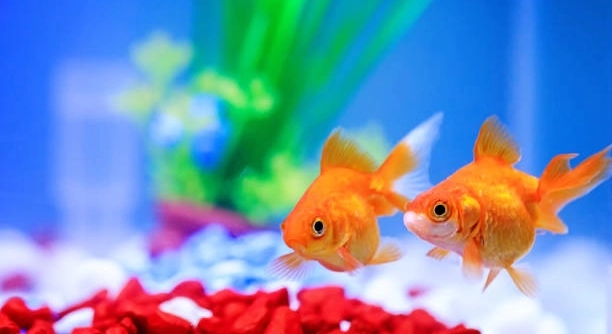
Is your goldfish spending long hours at the bottom of the tank, or floating motionless near the surface? Understanding your goldfish’s sleep patterns can help you determine if it is resting comfortably or experiencing potential health issues.
Goldfish sleep by becoming less active and remaining in one spot, often near the bottom of the tank. They may lose some coloration, have slightly drooping fins, and show slow, steady gill movements. Proper lighting and a quiet environment help ensure restful sleep.
Recognizing these subtle signs can help you create a more comfortable and stress-free environment for your goldfish. Ensuring proper rest is essential for its overall health and well-being.
Signs Your Goldfish Is Sleeping Comfortably
Goldfish enter a restful state by becoming still and reducing their activity. They often rest near the bottom of the tank or in a quiet corner. Their color may fade slightly, and their fins can appear relaxed. While their gills continue to move slowly, they remain responsive to sudden disturbances. A dimly lit environment helps signal their natural sleep cycle. If your goldfish appears motionless but reacts to movement or light changes, it is likely resting rather than unwell. Monitoring these behaviors ensures your fish is getting enough sleep to stay healthy.
Goldfish need consistent sleep to maintain their well-being. A proper day-night cycle helps regulate their rest. If your goldfish seems restless or struggles to stay still, environmental factors like bright lighting or water conditions could be affecting its sleep. Adjusting these elements can improve its ability to rest comfortably.
Creating a suitable sleeping environment is simple. Keep the tank lights on during the day and turn them off at night to mimic a natural schedule. Avoid loud noises or sudden disturbances near the tank. Maintaining stable water conditions with proper filtration also helps reduce stress. A well-rested goldfish is more active and displays brighter colors during the day.
How to Improve Your Goldfish’s Sleep
A comfortable sleeping environment starts with proper lighting. Goldfish need darkness at night to encourage rest. Keeping a consistent schedule by turning off the tank light for at least 8 to 12 hours allows them to establish a natural rhythm. If your fish seems restless, check for excessive noise or sudden disturbances.
Water quality plays a major role in sleep quality. Ammonia or nitrate buildup can stress goldfish, making them uneasy. Regular water changes help maintain a clean environment. The temperature should stay within the recommended range of 65 to 75°F to prevent discomfort. Strong currents can also disturb sleep, so adjusting the filter flow to a gentle setting may help.
Adding plants or decorations creates safe, shaded areas for your goldfish to rest. Live plants like Anubias or Java fern provide natural shelter while improving water quality. Keeping a predictable feeding schedule also contributes to restful sleep, as an irregular routine can cause stress. By making a few simple adjustments, you can help your goldfish sleep comfortably and stay healthy.
Common Disruptions to Goldfish Sleep
Sudden changes in lighting can interrupt sleep. If the room is bright at night or tank lights stay on too long, goldfish may struggle to rest. Keeping a consistent light schedule helps them maintain a natural sleep cycle and reduces unnecessary stress.
Poor water conditions can make goldfish restless. High ammonia, nitrites, or an improper pH level can cause discomfort, preventing them from sleeping. Performing regular water changes, using a reliable filter, and testing water parameters frequently can create a stable environment. Ensuring proper oxygenation also helps, as low oxygen levels can lead to sluggishness or stress.
Tank mates can also affect sleep. Aggressive or overly active fish may disturb a goldfish’s resting time by chasing or nipping. Choosing compatible tank mates, like peaceful community fish, prevents unnecessary stress. Providing hiding spots with plants or decorations gives your goldfish a secure place to rest undisturbed.
How to Ensure Your Goldfish Gets Quality Sleep
A peaceful environment is key to quality sleep. Avoid placing the tank near televisions, loud music, or areas with frequent movement. Goldfish are sensitive to vibrations and noise, which can keep them alert. Reducing these disturbances helps them rest without unnecessary stress.
A balanced diet also plays a role in sleep quality. Overfeeding can cause digestive discomfort, while underfeeding leads to restlessness. Sticking to a consistent feeding schedule with high-quality goldfish food ensures proper digestion. Feeding them earlier in the evening allows their bodies time to process food before resting. Consistency in diet and schedule supports overall well-being.
Monitoring behavior can indicate whether your goldfish is sleeping well. If they appear sluggish during the day or have trouble staying active, their sleep may be disrupted. Checking water quality, adjusting lighting, and ensuring a peaceful space can improve their sleep. Small changes make a big difference in helping your goldfish stay healthy and comfortable.
Signs of Poor Sleep in Goldfish
Lethargy during the day can indicate poor sleep. If a goldfish remains inactive or stays near the bottom for long periods, it may not be resting well at night. Checking the tank’s lighting, water quality, and noise levels can help improve its sleep patterns.
Unusual behavior, like darting around or gasping at the surface, may signal stress-related sleep issues. Poor water conditions or aggressive tank mates can cause restlessness. Ensuring a stable environment with proper filtration and peaceful companions helps reduce disturbances, allowing your goldfish to rest more comfortably.
The Role of Temperature in Goldfish Sleep
Water temperature directly affects sleep. If the tank is too warm, goldfish may become overactive, while colder temperatures can slow their metabolism excessively. Maintaining a steady range between 65 and 75°F helps regulate their natural resting state. Sudden fluctuations should be avoided, as temperature shocks can cause stress.
Final Thoughts
Observing goldfish behavior provides insight into their sleep quality. Small adjustments to lighting, water conditions, and tank setup can make a significant difference. A well-rested goldfish is more active, displays vibrant colors, and stays healthier in the long run.
FAQ
How do I know if my goldfish is sleeping?
Goldfish sleep by becoming less active and remaining in one spot. They often stay near the bottom of the tank or rest in quiet corners. Their movement slows, and their gills move at a steady pace. A goldfish may appear motionless but will respond to sudden changes in light or movement. They also lose some of their usual color during sleep, which is a sign they are resting. This quiet state usually lasts for several hours, often at night, when the tank is dark and quiet.
Is it normal for goldfish to sleep with their eyes closed?
Goldfish don’t have eyelids, so they can’t fully close their eyes. However, when they sleep, their eyes may appear less focused or slightly dull. Their body becomes still, and their fins relax. If your goldfish appears motionless but still has wide-open eyes, it is likely in a restful state, not actively moving. A calm and still goldfish with a slight reduction in its eye focus is likely sleeping comfortably.
How long do goldfish sleep?
Goldfish typically rest for 8 to 12 hours each day, often at night. They follow a circadian rhythm, so it’s important to provide a day-night cycle. At night, turning off the tank light helps signal to the goldfish that it’s time to rest. If the tank is too bright or the light stays on for too long, it may disrupt their sleep schedule. Goldfish may take naps throughout the day as well but will sleep more soundly during the nighttime hours.
Why does my goldfish swim at the surface at night?
Swimming at the surface could indicate that your goldfish is struggling to sleep. This behavior can be caused by poor water quality, such as high ammonia levels or low oxygen levels. A goldfish may also swim near the surface if the water temperature is too high or if the tank has insufficient filtration. It’s important to check the water quality regularly and maintain proper filtration and oxygenation to help your goldfish rest better at night.
What are the signs that my goldfish is stressed during sleep?
Goldfish may show signs of stress during sleep by becoming overly active, darting around, or rubbing against tank objects. They may gasp for air at the surface, indicating possible oxygen deficiency or water quality issues. If your goldfish is not resting comfortably, check the tank for sudden changes in water conditions, temperature, or lighting. Aggressive tank mates or loud noises can also cause stress and disrupt sleep.
How can I improve my goldfish’s sleep environment?
Creating a peaceful environment is key to ensuring your goldfish sleeps well. Keep the tank in a quiet location, away from loud noises or constant movement. Ensure the water temperature remains steady between 65 and 75°F. Install a reliable filter to maintain water quality, and perform regular water changes. Use a timer to control the tank lights, ensuring that your goldfish gets a proper day-night cycle. Adding plants or decorations can give your goldfish a comfortable resting spot.
Should I cover the tank at night to help my goldfish sleep?
Covering the tank at night can help your goldfish rest by blocking out excess light. Goldfish need a consistent day-night cycle to sleep properly. If your tank is in a bright room or exposed to artificial light at night, a dark cloth or tank cover can create a more natural sleeping environment. Just ensure the cover is breathable to avoid overheating or blocking oxygen flow.
Can goldfish sleep during the day?
Goldfish can sleep during the day, especially if the lighting or environment encourages rest. They may take short naps throughout the day, but they usually sleep more soundly at night when the tank is dark and quiet. If your goldfish seems to sleep excessively during the day, check the water conditions and make sure it isn’t stressed by the environment.
Is it okay if my goldfish doesn’t sleep in the same spot every night?
It’s normal for goldfish to shift resting spots from time to time. They may choose different areas of the tank depending on where they feel safe or comfortable. As long as they appear calm, relaxed, and not actively swimming around or struggling, it is not a concern. However, if your goldfish is constantly on the move, this may indicate a problem with water conditions or stress.
Can goldfish sleep if there are other fish in the tank?
Goldfish can sleep comfortably with other fish in the tank, but it depends on the compatibility of tank mates. Peaceful fish that don’t disturb your goldfish will allow it to rest peacefully. However, aggressive or overly active fish can disturb your goldfish’s sleep. Providing plenty of hiding spots and space can help reduce stress and allow your goldfish to find a quiet area to sleep.
Do goldfish need complete darkness to sleep?
Goldfish prefer a dark environment for sleep, but they don’t need total darkness. A dimly lit room with the tank light off is usually enough. If the room remains too bright at night, it may disrupt their natural sleep cycle. Ensure the light is off for at least 8 to 12 hours each night to help your goldfish rest properly.
Can a goldfish sleep on its side?
Goldfish can sometimes rest on their side when they are deeply relaxed. This behavior is typically normal, especially if they seem comfortable and are still breathing steadily. However, if your goldfish stays on its side for extended periods or seems unable to right itself, it could be a sign of illness or water quality issues. Monitor the behavior closely and check the water parameters to rule out any problems.
Should I worry if my goldfish doesn’t sleep?
If your goldfish is consistently active and not resting, it could be a sign of stress, illness, or poor water conditions. Check the water quality, lighting, and temperature to ensure the environment is conducive to sleep. If the issue persists, consult a veterinarian to rule out health problems. A lack of sleep can lead to reduced immunity and overall health problems, so it’s important to address any disturbances promptly.
Final Thoughts
Goldfish are relatively simple creatures, but their sleep habits require attention to ensure their well-being. By observing their behavior closely, you can tell if they are resting properly or experiencing discomfort. A calm, still goldfish is likely sleeping, while erratic movements or constant surface swimming may indicate stress or discomfort. It’s essential to make small adjustments to their environment, such as providing proper lighting and ensuring clean water, to help promote better sleep.
Maintaining a healthy environment goes beyond just observing sleep patterns. Goldfish need consistent care, which includes checking water quality, regulating temperature, and managing tank lighting. Stress can disrupt their sleep and impact their overall health, so it’s important to avoid sudden changes in their environment. The more stable the conditions, the better their sleep quality and overall health will be. Investing in the right equipment, like reliable filters and heaters, ensures that your goldfish’s habitat remains optimal for restful sleep.
Ultimately, goldfish are more resilient than we might think, but their sleep should not be neglected. By taking simple steps to improve their environment and understanding their natural sleep cycle, you can provide a healthier and happier life for your goldfish. Monitoring their behavior and adjusting the tank setup accordingly will make a noticeable difference in their sleep quality. A well-rested goldfish is not only healthier but more active and vibrant, reflecting the care you provide.

Hello,
If you enjoy the content that we create, please consider saying a "Thank You!" by leaving a tip.
Every little bit helps us continue crafting quality advice that supports the health, happiness, and well-being of pets around the world, for pets of all shapes, sizes, and species.
We really appreciate the kindness and support that you show us!