
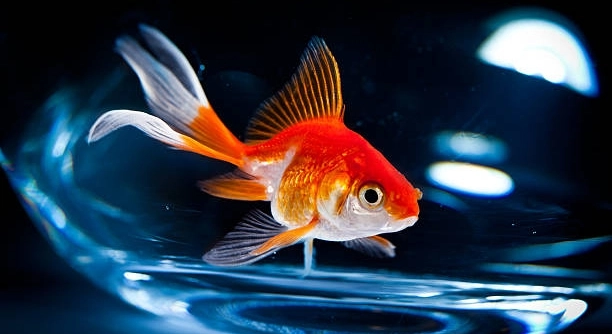
Is your goldfish floating but still alive, leaving you unsure of what to do next? This issue can be alarming, but understanding the possible causes can help you take the right steps to support your fish’s health.
The most common reason your goldfish is floating but still alive is a swim bladder disorder. This condition affects buoyancy and can be caused by overfeeding, constipation, bacterial infections, or poor water quality. Identifying the underlying cause is crucial for effective treatment.
Several factors contribute to this issue, and recognizing them early can make a difference. Addressing the root cause will help your goldfish regain its balance and lead a healthier life.
Common Causes of Floating in Goldfish
Swim bladder disorder is one of the main reasons why goldfish float while staying alive. This condition affects their ability to control buoyancy, leading to floating at the surface or swimming abnormally. Overfeeding, constipation, infections, and poor water conditions can contribute to the problem. Feeding a diet high in processed pellets or flakes can cause digestive issues, leading to gas buildup and swim bladder dysfunction. In some cases, bacterial infections or organ damage may be responsible. Keeping an eye on your goldfish’s diet and tank maintenance is essential for preventing and addressing this issue.
If your goldfish is struggling to swim properly, observe its behavior and environment closely. A bloated appearance, difficulty swimming upright, or floating on one side are common signs of swim bladder problems. Identifying these symptoms early allows for quicker intervention, improving your goldfish’s chances of recovery.
Providing a balanced diet, maintaining clean water, and monitoring your fish’s health regularly can help prevent floating issues. Addressing the root cause promptly ensures your goldfish stays healthy and comfortable.
How to Help Your Goldfish
A goldfish floating at the surface may benefit from dietary adjustments and environmental improvements. Fasting for 24 hours can help relieve constipation, a common cause of swim bladder issues.
If your goldfish struggles with buoyancy, try feeding it cooked and skinned peas, which can aid digestion. Avoid feeding excessive dry food, as it may expand in the stomach and cause bloating. Ensure the water temperature remains stable, as sudden changes can stress your fish and worsen swim bladder problems. Using a gentle filter can help maintain clean water without creating strong currents that make swimming difficult. If bacterial infections are suspected, consider using a fish-safe antibiotic.
Making small but effective changes to your goldfish’s care routine can make a big difference. Regularly checking water parameters, feeding a varied diet, and avoiding overfeeding will help maintain a healthier environment. These simple adjustments can improve your goldfish’s well-being and prevent future floating problems.
Preventing Swim Bladder Issues
Feeding a well-balanced diet is one of the best ways to prevent swim bladder problems. Avoid overfeeding and offer a mix of high-quality pellets, fresh vegetables, and occasional protein sources like brine shrimp or bloodworms to support digestion and overall health.
Maintaining stable water conditions is just as important. Sudden temperature changes can stress goldfish, making them more vulnerable to swim bladder issues. Keep the water temperature between 68-74°F and use a reliable heater if necessary. Regular water changes and proper filtration help remove toxins that can impact fish health. Testing water parameters frequently ensures a safe environment.
Providing a spacious tank reduces stress and allows for natural swimming behavior. A minimum of 20 gallons per goldfish is recommended, with additional space for each extra fish. Crowded conditions can lead to poor water quality and increased stress, making swim bladder issues more likely.
Signs That Require Immediate Attention
A goldfish floating upside down or completely unable to swim properly may need urgent care. If symptoms persist despite dietary changes and improved water conditions, there may be an underlying infection or organ-related issue. Isolating the fish in a separate tank can help monitor its condition more closely.
If the goldfish shows signs of distress, such as rapid breathing, lack of appetite, or visible swelling, consider consulting a veterinarian specializing in aquatic animals. Some cases may require antibiotics or other treatments to resolve infections. Prompt action increases the chances of recovery and prevents further complications.
Observing your goldfish daily helps detect problems early. Quick intervention, proper tank maintenance, and a nutritious diet all play a role in keeping your fish healthy. Making small adjustments can prevent serious health issues and ensure a comfortable environment for your goldfish.
When to Adjust Feeding Habits
Floating issues can often be managed by adjusting feeding habits. Feeding smaller portions multiple times a day instead of one large meal can reduce the risk of bloating. Soaking dry pellets before feeding prevents them from expanding in the stomach, reducing the chance of digestive issues.
Introducing fiber-rich foods like deshelled peas can help with constipation-related swim bladder problems. Avoid feeding goldfish excessive protein or processed flakes, as they can contribute to digestive troubles. A varied diet with fresh vegetables and high-quality fish food promotes better digestion and overall health.
Ensuring a Stress-Free Environment
A calm environment helps reduce stress-related health issues in goldfish. Strong currents from filters can make swimming difficult, especially for fish with buoyancy problems. Using a gentle filter with an adjustable flow rate creates a stable and comfortable habitat. Providing hiding spots can also make goldfish feel secure.
Monitoring Long-Term Health
Consistently observing your goldfish’s behavior helps detect problems early. Changes in swimming patterns, appetite, or energy levels may indicate an issue. Keeping up with regular water changes, stable temperatures, and proper nutrition ensures long-term health and prevents recurring floating problems.
FAQ
Why is my goldfish floating but still alive?
A floating goldfish can be dealing with swim bladder disorder, a condition that affects buoyancy. This could be caused by overfeeding, constipation, or poor water quality. If your goldfish is floating without being able to swim properly, it’s often a sign that the swim bladder isn’t functioning as it should. It’s important to identify the root cause, such as dietary issues or tank conditions, and make adjustments to support your fish’s health.
Can constipation cause a goldfish to float?
Yes, constipation is a common cause of floating in goldfish. When goldfish eat too much or have difficulty digesting their food, gas can build up in their intestines, causing buoyancy problems. This is typically seen when the fish has trouble swimming upright. If constipation is suspected, fasting for a day or offering fiber-rich foods like cooked peas can help relieve the issue.
How can I tell if my goldfish has a swim bladder problem?
Common signs of swim bladder issues include floating at the surface, swimming upside down or sideways, and difficulty maintaining balance. The goldfish may also appear lethargic or have a bloated appearance. If your goldfish exhibits any of these symptoms, it’s important to assess its diet, water quality, and behavior closely to help determine the cause.
What can I do to help my goldfish with swim bladder issues?
To help a goldfish with swim bladder issues, try reducing feeding to prevent overfeeding. Remove uneaten food promptly and consider fasting the fish for a day. After fasting, feed it small portions of easily digestible food, like peeled peas. Adjusting water conditions, maintaining proper filtration, and ensuring stable temperatures are also key steps to aid recovery.
How does water quality affect my goldfish’s health?
Water quality plays a significant role in the health of your goldfish. Poor water quality, such as high ammonia or nitrite levels, can stress the fish and contribute to swim bladder problems. Keeping the water clean through regular changes, proper filtration, and testing water parameters helps reduce the risk of illness.
Can stress cause my goldfish to float?
Yes, stress is another factor that can contribute to floatation issues. Factors such as overcrowding, sudden changes in temperature, or inadequate tank conditions can cause stress and impact the goldfish’s ability to swim properly. Ensuring that the goldfish has enough space, a calm environment, and proper water conditions can reduce stress and prevent floating issues.
Is it safe to use medications for swim bladder disorder?
Medications can be useful in some cases, especially if a bacterial infection is suspected. However, not all cases of swim bladder disorder require medication. If the issue is caused by constipation, water quality, or diet, non-medical interventions like fasting, adjusting the tank environment, and offering fiber-rich foods are often enough. Always consult an expert before using medication.
How often should I change the water in my goldfish tank?
It’s important to perform regular water changes to maintain a healthy environment for your goldfish. Aim to change 20-30% of the water every week, or more if you have multiple fish or a heavily stocked tank. Consistent water changes help remove waste and prevent toxins from building up, which can cause health issues.
What is the best diet for a goldfish with swim bladder issues?
For a goldfish with swim bladder issues, focus on a balanced diet with easily digestible foods. Avoid high-protein or dry foods that can expand in the stomach. Cooked peas are a good option for relieving constipation, while high-quality fish pellets or flakes that are designed for goldfish should form the foundation of the diet.
Should I separate my goldfish if it’s floating?
If your goldfish is floating and struggling to swim, consider isolating it in a separate tank to monitor its condition more closely. A smaller tank with calm water can reduce stress and provide a more controlled environment for recovery. Make sure the water parameters are optimal and that the fish is not overcrowded.
Can goldfish recover from swim bladder disorder?
Many goldfish can recover from swim bladder disorder, especially if the issue is related to diet or water quality. In cases of constipation, fasting and offering fiber-rich foods can help. If a bacterial infection is causing the problem, medication and improved water quality may be required. Regular monitoring and prompt intervention are key to a successful recovery.
Why is my goldfish swimming sideways or upside down?
Swimming sideways or upside down is a classic symptom of swim bladder disorder. The fish’s inability to properly control its buoyancy is often due to digestive issues, constipation, or an infection affecting the swim bladder. If this persists, you should assess the water conditions, diet, and overall health of your goldfish.
Can temperature changes affect my goldfish’s buoyancy?
Yes, rapid or significant temperature changes can stress goldfish, leading to buoyancy problems. Goldfish are sensitive to temperature fluctuations, and if the water becomes too warm or too cold, it can cause discomfort and disrupt their ability to swim normally. Keeping the temperature stable within the ideal range (68-74°F) helps prevent this issue.
How do I prevent my goldfish from getting swim bladder disorder?
Preventing swim bladder disorder involves providing a proper diet, maintaining good water quality, and reducing stress. Avoid overfeeding and offer a variety of foods, including fiber-rich vegetables like peas. Perform regular water changes, monitor the water temperature, and ensure your goldfish has enough space to swim comfortably. Regularly check the health of your goldfish to detect problems early.
Is swim bladder disorder contagious to other fish?
No, swim bladder disorder is not contagious. It is typically caused by individual health issues, such as poor diet, digestive problems, or environmental factors. However, if swim bladder issues are related to an infection, it’s a good idea to isolate the affected fish to prevent any potential spread of illness to other tank mates.
Final Thoughts
Dealing with a goldfish that is floating but still alive can be concerning, but it’s important to approach the situation with patience. While swim bladder issues can be caused by various factors like overfeeding, constipation, or poor water quality, many of these problems can be managed with simple changes. Adjusting the fish’s diet, maintaining clean water, and ensuring the right tank environment are key steps in addressing the issue. In many cases, with the proper care, your goldfish can recover and return to its healthy swimming habits.
Regular maintenance and observation are crucial to preventing swim bladder problems in the future. Keeping a stable tank environment with proper filtration, the right water temperature, and consistent water changes can help prevent many common issues. Additionally, feeding your goldfish the right foods, and avoiding overfeeding, can go a long way in preventing digestive problems that can affect buoyancy. It’s essential to stay proactive in monitoring your fish’s health and make necessary adjustments as needed. A little attention to detail can keep your goldfish thriving.
If your goldfish’s floating problem persists despite making the right adjustments, it may be time to consult with a veterinarian. Although many swim bladder issues can be treated at home, there may be underlying health concerns that require professional care. Early intervention is key to ensuring the best chance of recovery. Overall, with proper care and attention, goldfish can live long, healthy lives, and addressing swim bladder problems early can lead to a happy, thriving fish.

Hello,
If you enjoy the content that we create, please consider saying a "Thank You!" by leaving a tip.
Every little bit helps us continue crafting quality advice that supports the health, happiness, and well-being of pets around the world, for pets of all shapes, sizes, and species.
We really appreciate the kindness and support that you show us!