
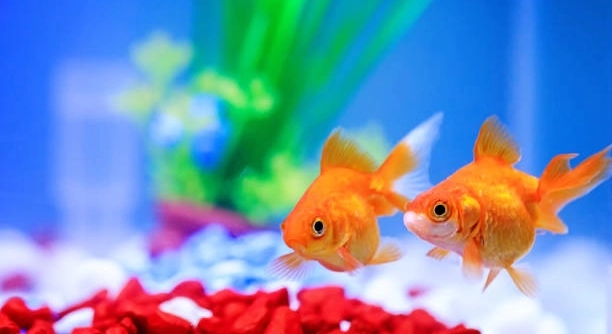
Are your goldfish constantly chasing or nipping at each other in their shared tank? Aggression among goldfish can lead to stress, injury, and even serious health issues. Preventing fights requires understanding their behavior and making the right adjustments to their environment.
The most effective way to prevent goldfish fights is by ensuring adequate space and proper tank conditions. Overcrowding, limited hiding spots, and incompatible fish pairings can contribute to aggression. Providing a well-maintained, spacious tank with compatible tankmates will help reduce conflicts.
Creating a peaceful goldfish tank requires the right balance of space, enrichment, and tankmates. Addressing these key factors will help keep your goldfish happy, healthy, and free from unnecessary stress or aggression.
Provide Enough Space for Your Goldfish
Goldfish need plenty of room to swim freely. A cramped tank can lead to stress and aggression, making fights more likely. A single goldfish requires at least 20 gallons, with an additional 10 gallons for each extra fish. Ensuring a spacious tank allows them to establish territories and reduces competition. Overcrowding can also lead to poor water quality, further increasing stress levels. A larger tank with proper filtration helps maintain stable water conditions. Adding plants and decorations creates natural barriers, giving fish places to retreat and minimizing direct confrontations.
A spacious environment helps goldfish feel secure and less likely to display aggressive behavior. Keeping the right number of fish for your tank size is an easy way to maintain harmony.
If upgrading to a larger tank isn’t an option, improving filtration and reducing the number of fish may help. A well-maintained tank promotes a peaceful atmosphere.
Choose Compatible Tankmates
Not all fish make good companions for goldfish. Some species are too aggressive, while others may be too delicate to handle the occasional nipping. Choosing the right tankmates prevents unnecessary stress and fights.
Goldfish thrive with peaceful, slow-moving fish that tolerate similar water conditions. Suitable options include white cloud mountain minnows, dojo loaches, and certain types of snails. Avoid keeping them with aggressive fish like cichlids or fin-nippers like tiger barbs. Fancy goldfish, with their delicate fins, do best with other fancy varieties rather than faster, more robust common goldfish.
Introducing new fish should be done gradually. Quarantine new tankmates before adding them to the main tank to prevent disease transmission. Rearranging decorations before introducing new fish can also help disrupt existing territories, reducing the chances of territorial disputes. Ensuring all fish have enough space and hiding spots will create a balanced environment where they can coexist peacefully.
Maintain Water Quality
Poor water conditions increase stress and aggression in goldfish. Regular water changes, proper filtration, and monitoring water parameters help keep the tank environment stable. Ammonia, nitrites, and nitrates should always be within safe levels to prevent discomfort and health problems.
A high-quality filtration system removes toxins and keeps the water oxygenated. Weekly water changes of at least 25% help maintain stability. Testing the water regularly ensures that parameters remain within safe limits. Uneaten food and waste should be removed promptly to prevent spikes in harmful substances. Consistent maintenance leads to calmer, healthier fish.
A well-maintained tank reduces the chances of aggressive behavior. Goldfish are more relaxed when their environment is clean and balanced. Providing aeration, such as air stones or sponge filters, further improves oxygen levels. Keeping the tank clean not only prevents stress but also enhances the overall well-being of your goldfish.
Offer Plenty of Hiding Spots
Hiding places give goldfish a sense of security. Plants, caves, and decorations create barriers that break the line of sight between fish, reducing the likelihood of chasing or nipping. A well-decorated tank makes fish feel safer and helps them establish personal space.
Live plants, such as anubias and java fern, provide natural cover while improving water quality. Driftwood, rock formations, and aquarium-safe ornaments create safe zones where fish can retreat. Placing decorations strategically prevents dominant fish from controlling specific areas. A varied environment reduces stress and encourages natural behaviors.
Goldfish are less likely to fight when they have spaces to hide and rest. A mix of open swimming areas and sheltered spots keeps them engaged without making them feel trapped. Changing decorations occasionally can also prevent territorial disputes by disrupting established dominance patterns.
Feed a Balanced Diet
Goldfish need a varied diet to stay healthy and calm. Poor nutrition can lead to stress, making aggression more likely. A mix of high-quality pellets, fresh vegetables, and occasional protein sources like bloodworms or brine shrimp provides essential nutrients and keeps them satisfied.
Overfeeding can cause water quality issues and competition for food. Feeding small portions two to three times a day prevents waste buildup and ensures all fish get their share. Removing uneaten food after a few minutes helps maintain clean water and reduces the chances of territorial disputes during feeding.
Monitor for Illness
Sick or injured fish are more likely to be bullied by tankmates. Regularly checking for signs of illness, such as frayed fins, unusual swimming patterns, or changes in appetite, helps catch problems early. Isolating affected fish and providing proper treatment prevents the spread of disease and keeps the tank peaceful.
FAQ
Why are my goldfish chasing each other?
Goldfish may chase each other due to territorial behavior, mating, or stress. Males often chase females during breeding, especially in warmer water. If aggression is constant, it could be due to overcrowding, poor water quality, or incompatible tankmates. Ensuring enough space and a balanced environment helps reduce excessive chasing.
Can goldfish live alone to prevent fights?
Goldfish are social and prefer living with others, but some may do better alone if they are constantly bullied. If housing multiple goldfish, ensure they have adequate space and compatible tankmates. A single goldfish can still thrive with proper care, enrichment, and attention from its owner.
What size tank is best for multiple goldfish?
A 40-gallon tank is recommended for two goldfish, with an additional 10-20 gallons per extra fish. Fancy goldfish need more space due to their delicate fins and slower swimming speed. Larger tanks help maintain stable water conditions and reduce the risk of aggression.
Do goldfish fight over food?
Goldfish can become aggressive if food is scarce or feeding areas are limited. Spreading food across different sections of the tank helps ensure all fish get a fair share. Feeding a balanced diet at consistent times reduces competition and prevents dominant fish from taking over feeding spots.
How do I stop my goldfish from nipping at each other?
Providing hiding spots, increasing tank size, and ensuring a varied diet can reduce nipping. If one fish is overly aggressive, consider separating them temporarily. Adding new fish gradually and rearranging decorations before introductions can also help minimize territorial disputes.
Are certain goldfish breeds more aggressive?
Common and comet goldfish are more active and may outcompete slower fancy goldfish for food and space. Fancy varieties, like orandas and ranchus, tend to be calmer and do best with other fancies. Mixing different types can lead to bullying, especially in smaller tanks.
Should I separate fighting goldfish?
If fights result in injuries or extreme stress, separating the aggressive fish is necessary. Using a tank divider or moving one to a different tank can prevent further harm. Identifying and addressing the cause of aggression, such as overcrowding or poor water quality, is crucial for long-term solutions.
Can stress cause goldfish to become aggressive?
Yes, stress from poor water conditions, sudden changes, or an overcrowded tank can trigger aggression. Keeping the water clean, maintaining stable temperatures, and providing enough space helps keep goldfish calm. A well-balanced diet and a predictable routine also reduce stress-related aggression.
Do goldfish need tank decorations to prevent fighting?
Decorations create hiding spots and break up lines of sight, reducing territorial disputes. Plants, caves, and rocks help fish establish personal space and retreat when needed. A well-decorated tank encourages natural behaviors and helps maintain a peaceful environment.
How can I tell if my goldfish is being bullied?
Signs of bullying include frayed fins, missing scales, hiding, or a fish avoiding certain areas of the tank. If a goldfish appears stressed or injured, consider separating them or rearranging the tank to disrupt territorial behavior. Providing more space and hiding spots can help.
Final Thoughts
Keeping goldfish in a shared tank requires careful planning to prevent aggression. A spacious environment, proper water quality, and a well-balanced diet all play a role in maintaining a peaceful tank. Goldfish thrive when they have enough room to swim, access to hiding spots, and a stable, clean habitat. Overcrowding and poor water conditions often lead to stress, which increases the likelihood of fights. Regular maintenance, along with monitoring fish behavior, helps keep the tank environment healthy and reduces potential conflicts.
Understanding goldfish behavior makes it easier to identify and address issues before they become serious. Chasing, nipping, and territorial disputes may seem alarming, but they are often manageable with a few adjustments. Providing an enriching tank setup with plants, decorations, and multiple feeding areas can prevent unnecessary competition. Choosing compatible tankmates and ensuring a peaceful introduction process also contribute to a more harmonious tank. Separating aggressive fish, if necessary, should be done with care to avoid long-term stress.
Goldfish are social and interactive, and with proper care, they can coexist peacefully. Consistency in feeding, regular water changes, and thoughtful tank management all help create a stable environment. Preventing goldfish fights is about maintaining balance—giving them space, nutrition, and the right conditions to live comfortably. With these strategies in place, goldfish can remain healthy and active in a shared tank.

Hello,
If you enjoy the content that we create, please consider saying a "Thank You!" by leaving a tip.
Every little bit helps us continue crafting quality advice that supports the health, happiness, and well-being of pets around the world, for pets of all shapes, sizes, and species.
We really appreciate the kindness and support that you show us!