
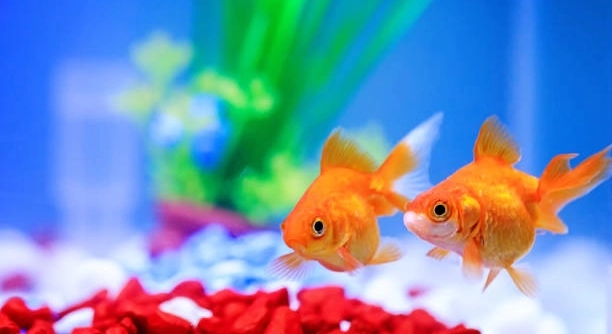
Is your goldfish tank becoming a hassle to maintain? Keeping the water clean, balancing chemicals, and managing algae growth can feel overwhelming. However, with a few simple tricks, you can make tank maintenance easier and less time-consuming.
The best way to simplify goldfish tank maintenance is by establishing a consistent cleaning routine, using efficient filtration systems, and minimizing waste buildup. Regular water changes, proper feeding practices, and live plants can also help maintain a healthier environment with minimal effort.
These strategies will keep your goldfish tank clean while reducing the time and effort needed for upkeep. Understanding these techniques will help create a stress-free and enjoyable fish-keeping experience.
Establishing a Cleaning Routine
A consistent cleaning routine keeps your goldfish tank in good condition. Start by performing partial water changes every week to remove waste and replenish essential minerals. A siphon makes it easy to clean the gravel without disturbing your fish. Scrubbing algae from the glass helps maintain visibility and prevents excessive growth. Additionally, checking water parameters with a test kit ensures a balanced environment. Keeping track of these tasks makes maintenance more manageable and prevents larger issues from developing. With regular care, your goldfish will thrive in a cleaner and healthier space.
Skipping cleanings can lead to poor water quality, making fish stressed or sick. A structured schedule prevents buildup and keeps everything under control. Consistency is key.
Using reminders or setting a fixed day for tank maintenance helps establish a habit. Small, frequent cleanings reduce the need for deep scrubbing and make caring for your goldfish easier over time.
Choosing the Right Filtration System
A strong filtration system helps maintain water quality with less manual effort. Filters remove debris, break down waste, and circulate water for proper oxygenation. A good filter should have mechanical, biological, and chemical filtration to keep conditions stable for goldfish.
Goldfish produce more waste than many other fish, so an efficient filter is necessary. Look for a filter rated for a larger tank size than you have. Canister filters and sponge filters work well for different setups. Canister filters handle heavy waste loads, while sponge filters provide gentle filtration for smaller tanks. Cleaning or replacing filter media regularly keeps it functioning properly.
Avoid over-cleaning the filter, as beneficial bacteria help maintain the nitrogen cycle. Rinsing the filter media in tank water instead of tap water prevents killing these helpful bacteria. A reliable filtration system makes goldfish care much easier and ensures a clean, stable environment.
Managing Algae Growth
Algae buildup can make a tank look unkempt and affect water quality. Controlling light exposure by limiting tank lighting to 8-10 hours daily helps prevent excessive algae growth. Adding algae-eating snails or fish can also help manage unwanted buildup naturally.
Regularly wiping the glass with an algae scraper keeps surfaces clean. Avoid placing the tank in direct sunlight, as it encourages rapid algae growth. Overfeeding leads to excess nutrients, which fuel algae blooms, so feeding in moderation reduces the chances of buildup. Live plants compete with algae for nutrients, helping to keep it under control.
Using a phosphate-removing filter media can help lower nutrient levels that contribute to algae growth. Performing consistent water changes removes excess waste and reduces the risk of algae outbreaks. If algae become overwhelming, adjusting feeding habits and increasing water changes can restore balance. Prevention is easier than trying to remove excessive growth.
Proper Feeding Practices
Overfeeding leads to excess waste and poor water quality. Goldfish do not require large amounts of food, so offering small portions twice a day is ideal. Uneaten food should be removed after a few minutes to prevent it from decaying and causing water issues.
Feeding high-quality pellets or flakes formulated for goldfish ensures they receive the right nutrients. Soaking dry food before feeding prevents digestion issues. Occasionally offering fresh vegetables like peas or zucchini provides variety and fiber, reducing the risk of bloating. Avoid giving excessive protein-rich foods, as goldfish thrive on a balanced diet with plant-based ingredients.
A feeding schedule helps prevent waste buildup and keeps goldfish healthy. Skipping a feeding day once a week allows their digestive system to rest and reduces waste production. Consistent, mindful feeding supports a cleaner tank and improves overall fish health.
Using Live Plants
Live plants help maintain water quality by absorbing excess nutrients and producing oxygen. They also compete with algae for resources, reducing unwanted growth. Hardy plants like Anubias, Java Fern, and Hornwort work well in goldfish tanks since they can withstand nibbling.
Keeping plants anchored prevents goldfish from uprooting them. Using weighted plant bases or attaching plants to driftwood keeps them secure. Regular trimming helps prevent overcrowding and ensures healthy growth. Live plants create a natural environment while making maintenance easier.
Maintaining Water Parameters
Stable water conditions keep goldfish healthy and reduce maintenance issues. Ammonia, nitrites, and nitrates should be monitored regularly using a test kit. Water temperature should stay between 65-75°F to support proper metabolism and immune function. A stable pH between 7.0 and 7.5 is ideal.
Avoiding Overcrowding
Too many fish in a tank increases waste production and makes cleaning more difficult. Goldfish need at least 20 gallons per fish for proper growth and health. Keeping stocking levels low reduces stress, improves water quality, and makes tank maintenance easier in the long run.
FAQ
How often should I change the water in my goldfish tank?
You should perform a 25-30% water change every week. This helps remove accumulated waste, chemicals, and excess nutrients that could affect water quality. If the tank is overstocked or has poor filtration, consider increasing the frequency of water changes.
Can I use tap water for my goldfish tank?
Yes, but tap water must be treated to remove chlorine and chloramine before being added to the tank. Using a water conditioner will neutralize these chemicals, making it safe for your goldfish. Ensure the water temperature matches that of the tank to avoid shocking the fish.
How do I prevent my goldfish tank from getting cloudy?
Cloudy water is often a result of high levels of waste or bacteria. Ensure your filtration system is working properly and that you’re not overfeeding your fish. Regular water changes and cleaning the filter will also help prevent cloudiness.
What’s the best way to clean the tank decorations?
Remove decorations and scrub them gently with a soft brush under warm water. Avoid using soap or harsh chemicals, as they can harm the fish. For stubborn algae, you can soak decorations in a vinegar solution, then rinse thoroughly before placing them back in the tank.
How can I reduce algae growth in my tank?
Algae thrive on excess nutrients and light. To reduce algae growth, limit the amount of light your tank receives (no more than 8-10 hours a day), and make sure you aren’t overfeeding your fish. Adding algae-eating snails or certain fish species can also help manage algae naturally.
Do goldfish need a filter in their tank?
Yes, goldfish produce a lot of waste, so a good filter is essential for maintaining water quality. A filter helps remove debris, break down harmful toxins, and maintain proper water circulation. Without a filter, you’ll need to perform more frequent water changes to keep the tank clean.
Can goldfish live with other fish?
Goldfish can live with other species, but they do best with other goldfish or similarly sized fish. Avoid placing them with small fish, as goldfish may unintentionally harm them. Goldfish are also messy eaters, so it’s best to pair them with fish that don’t mind excess food in the tank.
How can I tell if my goldfish is stressed?
Stressed goldfish may display behaviors like erratic swimming, staying near the surface, or hiding. Stress can be caused by poor water quality, overcrowding, improper tank conditions, or aggressive tank mates. If you notice signs of stress, check the water parameters and consider adjusting the environment.
How do I prevent overfeeding my goldfish?
Goldfish should be fed small amounts of food that they can eat within 2-3 minutes. Overfeeding can lead to water quality issues. Feed them twice a day, and avoid giving them more food than they can consume. Remove any uneaten food after each feeding session.
Why is my goldfish’s tail turning white?
White spots or discoloration on a goldfish’s tail can indicate a fungal or bacterial infection, or sometimes a parasite. If you notice these symptoms, isolate the affected fish and treat the tank with appropriate medication. Be sure to test the water quality as poor conditions can contribute to health problems.
How do I acclimate a new goldfish to its tank?
When introducing a new goldfish, float the bag containing the fish in the tank for 15-20 minutes to gradually adjust the water temperature. Afterward, slowly introduce small amounts of tank water into the bag, then gently release the fish into the tank. Avoid rushing the acclimation process.
What type of food should I give my goldfish?
Goldfish thrive on a balanced diet of high-quality pellets or flakes designed for their species. You can also supplement their diet with occasional fresh vegetables, such as peas or spinach, to provide extra fiber. Avoid feeding them too much protein, as goldfish are primarily herbivores.
How long can goldfish live?
Goldfish can live for several years with proper care. In ideal conditions, they can live anywhere from 10 to 20 years, with some reaching up to 30 years in rare cases. Providing a spacious tank, a stable environment, and proper feeding habits will help them reach their full lifespan.
Can I use live plants in my goldfish tank?
Yes, live plants are beneficial for goldfish tanks. They help improve water quality by absorbing excess nutrients and providing oxygen. However, goldfish may nibble on plants, so choose hardy varieties like Anubias or Java Fern that can withstand light grazing.
What should I do if my goldfish is sick?
If your goldfish shows signs of illness, such as swimming abnormalities or loss of appetite, first check the water quality. Poor water conditions are often the cause of illness. If the water is fine, consider using fish medication or consulting a veterinarian who specializes in aquatic species.
Why is my goldfish hiding all the time?
Goldfish hide when they’re stressed or not feeling well. If your fish is hiding more than usual, check for signs of illness, poor water quality, or aggressive tank mates. Reducing stress by keeping the tank environment stable and ensuring it’s not overcrowded can help.
How do I maintain water temperature for goldfish?
Goldfish prefer a stable water temperature between 65-75°F. Using a reliable aquarium heater and thermometer will help maintain the right temperature, especially in colder environments. Avoid sudden temperature fluctuations, as they can stress your fish. Regularly check the temperature to ensure it stays within the ideal range.
Final Thoughts
Maintaining a goldfish tank can seem overwhelming at first, but with the right steps, it becomes manageable and enjoyable. Regular cleaning, water changes, and proper feeding habits are essential for keeping your goldfish healthy and the tank clean. Using a good filtration system, controlling algae growth, and monitoring water quality are all part of a successful maintenance routine. The right environment will help your goldfish thrive for years to come.
By following the tips outlined, you can reduce the amount of time spent cleaning and maintaining the tank. Keep the water stable, avoid overcrowding, and use live plants to help maintain a natural balance. It’s important to stay consistent with your tank maintenance tasks to prevent issues before they become bigger problems. With proper care, your goldfish will enjoy a healthy and long life.
Remember, small adjustments to your tank environment can make a big difference. Regularly check the water parameters and adjust as needed. Don’t overfeed, as this can lead to waste buildup and poor water quality. When you take the time to properly care for your tank, it will pay off in the form of happy, healthy goldfish.

Hello,
If you enjoy the content that we create, please consider saying a "Thank You!" by leaving a tip.
Every little bit helps us continue crafting quality advice that supports the health, happiness, and well-being of pets around the world, for pets of all shapes, sizes, and species.
We really appreciate the kindness and support that you show us!