
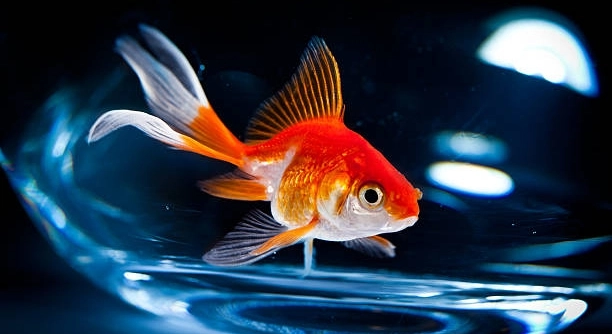
Is your goldfish developing red patches on its skin? It can be concerning when you notice unusual changes in your pet’s appearance, and understanding the cause is crucial for their well-being.
Red patches on a goldfish may indicate a variety of health issues, including infections, poor water quality, or stress. It’s important to diagnose the root cause quickly to prevent further harm to your pet.
Taking a closer look at these possible reasons will help you better understand what’s going on with your fish and how to provide the proper care to keep it healthy.
Poor Water Quality
If your goldfish is developing red patches, the water might be the issue. Dirty water can irritate your fish’s skin, causing redness or sores. High levels of ammonia, nitrites, or nitrates in the water are often the main contributors. These toxins build up when a tank isn’t properly cleaned or when the filtration system isn’t working efficiently. Even if the water looks clean, there may still be harmful substances in it. Make sure the water parameters are regularly checked and kept within safe levels.
Keeping your tank clean is essential for your goldfish’s health. Regular water changes, along with using a reliable filtration system, can help maintain proper water quality.
A water change of about 20-30% each week will help keep harmful chemicals from building up. You should also monitor the temperature and pH levels, as sudden shifts can stress your fish. Consistently maintaining a clean environment will reduce the chances of developing red patches and keep your goldfish feeling its best.
Bacterial or Fungal Infections
Red patches can also be a sign of infection, either bacterial or fungal. These infections can occur when your goldfish is exposed to harmful pathogens, often due to compromised immune health or unclean water conditions. Bacterial infections can appear as sores or lesions, while fungal ones may cause a cotton-like appearance on the skin.
To address these issues, it’s essential to treat the infection quickly. Adding aquarium salt to the tank can help with bacterial infections, and antifungal treatments are available at most pet stores. It’s also important to isolate any affected fish to prevent the infection from spreading to others in the tank.
In severe cases, the infection could lead to more significant health problems or even death if left untreated. As a precaution, you should always be prepared with medications or know where to find help from a local fish expert. Keeping an eye on your fish’s behavior can also give you early signs of infection, allowing for quicker intervention.
Stress
Goldfish can develop red patches when they’re stressed. Changes in their environment, such as moving the tank, loud noises, or being around other aggressive fish, can cause this. Stress lowers their immune system, making them more vulnerable to skin issues.
Maintaining a calm and stable environment is essential for your goldfish’s well-being. Keep the tank in a quiet spot, away from excessive noise or disturbances. If you’re adding new fish to the tank, make sure to introduce them gradually to avoid causing stress to your goldfish.
Providing hiding spots in the tank can also help your goldfish feel secure. Plants, rocks, or decorations can give them a place to retreat if they feel threatened. Keeping the lighting consistent and avoiding sudden changes in temperature will also help reduce stress levels. If your fish is stressed, it’s important to address the cause quickly to prevent further damage.
Poor Diet
An imbalanced or poor diet can affect your goldfish’s skin and overall health. If they aren’t getting enough nutrients, they may develop red patches or other visible symptoms. Overfeeding or feeding the wrong kind of food can lead to poor digestion and weakened immunity.
Goldfish need a balanced diet with the right amount of protein, fiber, and vitamins. Flakes and pellets specifically designed for goldfish are a good starting point. Occasionally, you can add treats like brine shrimp or vegetables like peas to give your fish variety. Avoid overfeeding, as excess food can lead to health issues.
Regularly check if your fish is eating well and getting the nutrients they need. If your goldfish is showing signs of skin problems or lack of energy, it might be a sign that the diet isn’t balanced. Adjusting their feeding routine can help prevent these issues.
Water Temperature
Red patches can appear if the water temperature fluctuates too much. Goldfish are sensitive to changes in temperature. Too hot or too cold water can stress them out and cause skin issues, including redness.
Keep the water temperature stable between 65°F and 75°F. Use a reliable aquarium heater and thermometer to monitor and adjust the temperature when necessary. Avoid sudden drops or increases in temperature, as they can trigger stress and health problems. A consistent environment helps your goldfish stay healthy.
Inadequate Tank Size
If your goldfish is in a tank that’s too small, it can cause stress and skin problems. Goldfish need room to swim and grow. A cramped tank leads to poor water quality, increased stress, and possible red patches.
Ensure your goldfish has enough space by providing at least 20 gallons of water per fish. Overcrowding leads to higher waste levels, which affects water quality and your goldfish’s health. A larger tank promotes a healthier environment, reducing the risk of skin issues.
FAQ
What are some common signs of skin problems in goldfish?
In addition to red patches, you might notice white spots, sores, or an unusual slimy coating on your goldfish’s skin. These signs can indicate infections or poor water quality. If your goldfish’s behavior changes, such as rubbing against objects or staying at the surface for long periods, it may also be struggling with a skin issue.
How can I prevent red patches from appearing on my goldfish?
Preventing red patches begins with maintaining a clean, stable environment for your goldfish. Regular water changes, proper filtration, and monitoring water parameters such as pH, ammonia, and nitrate levels can reduce stress and prevent infections. Proper feeding and ensuring that your goldfish has enough space in the tank also play a role in its overall health.
Can overfeeding cause red patches in goldfish?
Yes, overfeeding can lead to poor water quality, which may cause red patches. Excess food decomposes in the water, creating harmful substances like ammonia, which irritate your goldfish’s skin. Overfeeding also disrupts your goldfish’s digestive system and can weaken its immune defenses, making it more susceptible to infections and skin issues.
Is it normal for my goldfish to have red patches after a water change?
It’s possible that your goldfish may show signs of stress, like red patches, after a water change. This can happen if the temperature or pH level of the new water differs significantly from the old water. Always make sure to adjust the new water to match the temperature and pH of the existing water to avoid shocking your fish.
Can red patches on a goldfish be a sign of a parasite?
Yes, red patches can be a symptom of parasitic infections. External parasites like skin flukes or ich can cause redness, sores, and irritation. If you suspect a parasite is the issue, isolation of the affected fish and treatment with anti-parasitic medications can help. It’s best to consult a professional if you’re unsure.
How can I treat red patches on my goldfish at home?
At-home treatments for red patches depend on the underlying cause. If the issue is water quality, perform a partial water change, clean the tank, and check the water parameters. If a bacterial or fungal infection is suspected, you may need to add aquarium salt or antifungal medications. In some cases, isolating the affected fish and treating with specific medications might be necessary.
When should I seek professional help for red patches on my goldfish?
If the red patches on your goldfish don’t improve after you’ve addressed water quality or treated with medications, it’s time to seek professional help. If you notice other symptoms like rapid breathing, lethargy, or loss of appetite, it may indicate a more serious health issue requiring veterinary attention.
Can stress cause permanent damage to my goldfish’s skin?
Chronic stress can weaken your goldfish’s immune system, leading to ongoing skin issues like red patches. While a single episode of stress may not cause permanent damage, prolonged stress can result in more serious health problems, affecting your fish’s ability to heal and thrive. Reducing stress through proper tank maintenance and a calm environment is key to long-term health.
Should I stop feeding my goldfish if I notice red patches?
If you notice red patches, do not stop feeding your goldfish. However, it’s important to adjust its diet and make sure you’re offering balanced food in the right amount. Overfeeding should be avoided, as excess food contributes to poor water quality. Switch to a high-quality goldfish pellet and add fresh vegetables occasionally to ensure a proper diet.
What can I do if my goldfish has red patches but seems to be swimming fine?
If your goldfish is swimming normally but has red patches, monitor its behavior closely. It’s possible that the redness is caused by minor irritation or stress that hasn’t yet affected its swimming. Check the water quality, provide a balanced diet, and ensure the fish isn’t being harassed by tank mates. If the condition persists, consider isolating the fish and providing treatment.
Can I use over-the-counter treatments for goldfish with red patches?
Over-the-counter treatments, such as antibacterial or antifungal medications, are available at pet stores and can be used for goldfish with red patches. However, you must correctly diagnose the cause of the patches before treating your fish. If you’re unsure, consult an expert to avoid using the wrong treatment that may worsen the condition.
Final Thoughts
Taking care of your goldfish requires attention to detail, especially when it comes to their health. Red patches can be a sign of several issues, ranging from poor water quality to infections or even stress. The first step in addressing this problem is identifying the root cause. If you notice red patches on your fish, start by checking the water conditions. Make sure the tank is clean, the water temperature is stable, and the pH and ammonia levels are within safe ranges. Regular water changes and proper filtration are key to creating a healthy environment for your goldfish.
Diet and stress also play a big role in the health of your goldfish. An unbalanced diet can weaken your fish’s immune system, making it more susceptible to skin issues like red patches. On the other hand, stress from overcrowding, sudden changes in the tank, or aggressive tank mates can trigger skin problems. To prevent this, ensure your goldfish has enough space to swim freely and is fed a balanced diet with high-quality food. Reducing stress by keeping the environment calm and stable is just as important for your fish’s well-being.
If your goldfish continues to develop red patches despite proper care, it may be time to consider a more focused treatment. Depending on the cause, treatments such as adding aquarium salt, antifungal, or antibacterial medications may be necessary. In some cases, isolating the affected fish for treatment may be the best option to prevent spreading the issue to other fish. If the condition persists, seeking professional advice from an aquarium specialist or veterinarian will help ensure your goldfish gets the proper care it needs to recover.

Hello,
If you enjoy the content that we create, please consider saying a "Thank You!" by leaving a tip.
Every little bit helps us continue crafting quality advice that supports the health, happiness, and well-being of pets around the world, for pets of all shapes, sizes, and species.
We really appreciate the kindness and support that you show us!