
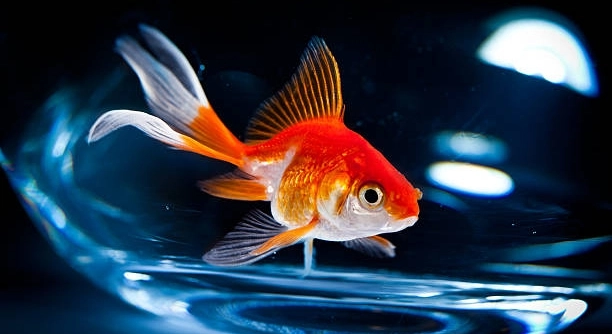
Goldfish are known to eat their own eggs, which can be frustrating for fish owners trying to grow a healthy population. This behavior can be surprising, especially when you expect the eggs to hatch into little fry.
To stop your goldfish from eating its eggs, you can implement various strategies, such as providing hiding spots, separating the parents, or using breeding traps. Reducing stress and ensuring proper care can also reduce the chances of egg consumption.
These solutions can help protect the eggs and give your goldfish a better chance of successful reproduction. Exploring these tips will improve your chances of raising healthy fish.
Create Hiding Spots for the Eggs
Goldfish may eat their eggs if they feel stressed or threatened. One simple way to prevent this is by creating safe spaces where the eggs can be hidden. You can use plants, rocks, or even special breeding caves to give the eggs a better chance of surviving.
Adding plenty of hiding spots reduces the goldfish’s access to the eggs. Fish tend to avoid places they feel they cannot reach or fit into. This creates a safe environment for the eggs to hatch without the threat of being eaten.
In addition to hiding spots, it’s a good idea to use soft, artificial plants. These provide more protection for the eggs while still giving the parents access to a familiar environment. Try to cover the eggs with plants or materials that won’t disrupt the fish but will act as barriers. This can significantly reduce the chances of the goldfish consuming the eggs. Ensure that these hiding spots are not too dense, as you still want to maintain good water circulation for the eggs to stay healthy.
Separate the Parents
One of the easiest ways to stop your goldfish from eating their eggs is by separating the parents right after spawning.
Once the eggs are laid, the goldfish may lose interest in them or get confused. By removing the parents, you allow the eggs to hatch without any interference. Be sure to use a breeding net or a separate tank to place the eggs safely.
This method is effective, especially for new goldfish owners who might not be prepared to deal with the adult goldfish eating the eggs. Removing the parents right away ensures that the eggs have the best chance to survive and develop into healthy fry. It also allows you to monitor their growth more closely. If done properly, separating the parents doesn’t cause any harm to the goldfish and gives you more control over the breeding process.
Use a Breeding Trap
A breeding trap is a great tool to protect eggs from being eaten by adult goldfish. This allows the eggs to stay safe while still giving the parents their space. You can place the eggs directly in the trap, or some models allow the fish to spawn and then collect the eggs.
The breeding trap works by keeping the adult fish away from the eggs. It has small enough holes that prevent the goldfish from accessing the eggs while still letting water flow through. This method is particularly useful if you don’t have an extra tank to separate the parents.
It’s important to check the trap daily to ensure it remains clean and the water flow is not obstructed. Traps that don’t allow proper water movement can cause the eggs to suffocate. Keeping the trap in a well-lit area can also promote healthy egg development. If you decide to use a breeding trap, make sure the eggs have enough space to grow and that the trap is easy to clean.
Provide Proper Nutrition
One way to reduce the chances of goldfish eating their own eggs is to ensure they’re well-fed. A healthy diet will make them less likely to engage in destructive behavior, like consuming eggs. High-quality food can reduce stress and encourage more natural breeding behavior.
Feeding your goldfish a variety of food is essential. Offer them a mix of pellets, frozen foods, and occasional live food. Providing a balanced diet helps improve their health, making them less likely to become aggressive or eat the eggs. Keep in mind that goldfish, like all fish, need vitamins, proteins, and minerals to thrive.
When preparing meals for your goldfish, try to avoid overfeeding them. While it might seem like a good idea to feed them often, overfeeding can lead to bloating and unhealthy behaviors. A consistent feeding schedule and the right portions can keep your goldfish healthy and reduce egg consumption. Additionally, a healthy, well-fed goldfish will be more active, which can improve the chances of successful spawning and reduce any unwanted eating of the eggs.
Increase Water Temperature
Raising the water temperature slightly can encourage the goldfish to focus on spawning rather than eating the eggs. Goldfish typically breed in warmer water, so mimicking their natural environment can help. A consistent water temperature between 75°F and 80°F is ideal for breeding.
However, be careful not to increase the temperature too much. Goldfish are sensitive to rapid changes in their environment, and extreme heat can cause stress, which may lead to the eggs being eaten. Gradually increase the water temperature and monitor the goldfish’s behavior for signs of discomfort.
Small changes in temperature can stimulate goldfish to breed successfully. Just remember, once the eggs are laid, lowering the temperature back to normal will help prevent the water from becoming too warm for the developing eggs.
Reduce Stress Levels
Stress is a major factor in goldfish eating their eggs. Stress can be caused by overcrowding, poor water quality, or aggressive tank mates. Reducing stress can make your goldfish more comfortable and less likely to engage in egg-eating behavior.
By making sure your goldfish have enough space and a clean, stable environment, you reduce the chances of them eating their eggs. Using a good filtration system and regularly checking water parameters can go a long way in creating a peaceful tank environment.
Use a Divider in the Tank
Adding a divider in the tank can be a simple solution to keep goldfish from eating their eggs. The divider creates separate areas in the tank, preventing the adult fish from accessing the eggs. This method also allows you to keep both the parents and eggs in the same tank without the risk of predation.
FAQ
Why do goldfish eat their own eggs?
Goldfish may eat their eggs due to instinctual behaviors or environmental stress. In the wild, eggs are often consumed to prevent predators from finding them. In an aquarium, stress factors like overcrowding, poor water quality, or lack of food can make goldfish more likely to eat their eggs. Additionally, if goldfish are new to breeding, they may not understand the importance of protecting their eggs.
How can I tell if my goldfish are about to spawn?
Goldfish show several signs when they are preparing to spawn. The males become more active and chase the females around the tank, nudging their sides. Females will appear rounder, as they are carrying eggs. You may also notice the males develop small white spots, called breeding tubercles, on their gill covers and pectoral fins. This indicates that they are in breeding condition.
Can I breed goldfish in a community tank?
Breeding goldfish in a community tank is possible but not ideal. In a tank with other fish, there is a higher chance that the eggs will be eaten by the goldfish or other tank mates. It’s better to separate the goldfish or provide a safe space for them to spawn, like a breeding trap or separate tank. This ensures the eggs have a better chance of survival.
How do I protect goldfish eggs in a tank without removing the parents?
If you don’t want to remove the parents but still want to protect the eggs, consider using a breeding trap or creating hiding spots with plants or decorations. The trap will allow the eggs to remain safe from the goldfish while keeping the parents nearby. You can also place soft plants or mesh in areas where the eggs are likely to be laid, so they can be hidden from the parents.
What temperature should the water be to encourage breeding?
The ideal water temperature for breeding goldfish is between 75°F and 80°F. This mimics the goldfish’s natural spawning conditions in the wild. A slight increase in water temperature can trigger spawning behavior, but it’s important not to raise the temperature too quickly, as this could stress the fish and cause problems with the eggs.
How often do goldfish breed?
Goldfish can breed multiple times throughout the year, especially if they are in the right environment. They tend to breed more often in the spring and summer when the water temperature is higher. In an aquarium, breeding is usually seasonal, with goldfish reproducing a few times per year. However, breeding behavior can occur more frequently with consistent care and ideal conditions.
Can goldfish lay eggs without a male?
Yes, female goldfish can lay eggs without a male, but they will not be fertilized. The eggs will be released, but without male sperm to fertilize them, the eggs will not hatch. If you want baby goldfish, you need both a male and female goldfish in the tank. The male will fertilize the eggs as the female lays them.
Do goldfish eat their eggs every time they spawn?
Goldfish may not always eat their eggs after spawning. The likelihood of egg consumption depends on various factors, including the health and behavior of the goldfish, the environment, and the presence of other fish. While it’s common for goldfish to eat their eggs, especially if they are stressed, it’s not guaranteed every time. Using methods like separating the parents or providing hiding spots can reduce this behavior.
How can I tell if the goldfish eggs are fertilized?
Fertilized goldfish eggs are usually translucent and have a yellowish or golden color. If the eggs are fertilized, you will see the embryos developing inside the eggs within 2-3 days. Unfertilized eggs will often appear cloudy, white, or clear and may become moldy over time. Fertilized eggs will begin to hatch within 4-7 days, depending on water temperature.
How long does it take for goldfish eggs to hatch?
Goldfish eggs typically hatch within 4 to 7 days, depending on water temperature. Warmer water speeds up the development process, while colder water may delay hatching. The eggs should be monitored daily for signs of development, such as embryos moving within the eggs. Once hatched, the fry will swim freely but will still rely on the egg sac for nutrition for the first few days.
What should I do with the goldfish fry after they hatch?
Once the fry hatch, they should be kept in a separate tank or breeding net to protect them from adult goldfish. The fry are very small and vulnerable, so it’s crucial to ensure they have access to plenty of hiding spots. You can start feeding them specialized fry food once their yolk sacs are absorbed, usually within 2 to 3 days. Keep the water clean and ensure proper filtration to support the health of the fry as they grow.
How can I stop my goldfish from eating the fry?
Goldfish may eat the fry if they have access to them. To prevent this, you can use a separate breeding tank or breeding net to raise the fry in a safe environment. If the fry are in the same tank as the adults, provide plenty of hiding places, such as plants or decorations, where the fry can take shelter. You may also choose to separate the adults from the fry once they hatch.
Final Thoughts
Goldfish are fascinating creatures, but their tendency to eat their own eggs can be frustrating for owners who want to raise fry. Understanding why they do this, such as due to stress or instinct, is important when trying to find a solution. By creating a better environment for your goldfish and following simple practices, you can help reduce the chances of egg consumption and increase the survival rate of the eggs. Making sure the goldfish have a peaceful tank, proper food, and plenty of space goes a long way in reducing stress, which in turn can help prevent unwanted behavior.
While there are various methods to protect goldfish eggs, such as using breeding traps, creating hiding spots, or separating the parents, it’s important to consider what works best for your specific setup. Some goldfish owners may find success with certain strategies, while others may need to try a combination of techniques. The key is to be patient and consistent. Remember, it might take a few attempts to get things right, especially if you’re new to breeding. It’s also worth noting that every fish is different, so learning what works for your goldfish specifically can make all the difference.
In the end, stopping your goldfish from eating their own eggs is possible with the right care and attention. Whether you choose to separate the parents, improve their diet, or increase the temperature to encourage breeding, there are plenty of solutions available. Goldfish breeding can be a rewarding experience if you take the time to ensure a healthy and stress-free environment for both the parents and the eggs. With the right steps, you’ll have a much better chance of raising healthy fry and watching your goldfish family grow.

Hello,
If you enjoy the content that we create, please consider saying a "Thank You!" by leaving a tip.
Every little bit helps us continue crafting quality advice that supports the health, happiness, and well-being of pets around the world, for pets of all shapes, sizes, and species.
We really appreciate the kindness and support that you show us!