
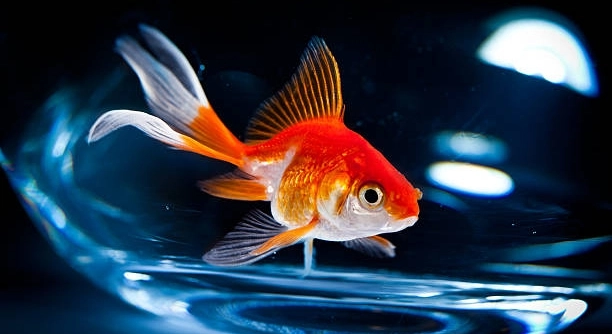
A healthy goldfish tank requires proper filtration to ensure a clean environment for your fish. Without an effective filter, the tank’s water quality can deteriorate, which affects your goldfish’s health and overall tank ecosystem.
A poor filter can lead to cloudy water, algae growth, and high levels of harmful chemicals, such as ammonia and nitrites. These factors can stress your goldfish, making them vulnerable to diseases and potentially reducing their lifespan.
By understanding the signs that indicate a filter is not performing well, you can take necessary actions to improve your goldfish’s living conditions.
Cloudy Water
One of the first signs that your filter may need an upgrade is when the water in the tank becomes cloudy. Cloudy water can happen for many reasons, but a weak filter fails to remove waste and excess nutrients properly, leading to this issue. It’s often a sign that harmful substances, such as ammonia or nitrates, are building up in the water. If your goldfish is swimming in murky water, it’s likely not an ideal environment for them to thrive.
A good filter is crucial for maintaining water clarity by effectively removing organic waste. If your tank’s water looks consistently cloudy, it’s time to assess your filtration system and make sure it’s up to the task.
Addressing cloudy water not only improves the appearance of your tank but also ensures that your goldfish stay healthy. Poor water quality can lead to stress and disease, which may shorten their lifespan. Replacing or upgrading the filter is a simple step that can make a big difference.
Algae Growth
Algae growth in your tank is another indicator that your filter is not working effectively. Algae thrive in nutrient-rich water, particularly when there is an excess of nitrates. If your filter is struggling to clean the water, these nutrients accumulate, creating the perfect conditions for algae to grow. Excessive algae can obscure the view of your fish and make your tank look unkempt.
A properly functioning filter helps limit nutrient buildup and prevents algae blooms. If algae are taking over, consider cleaning your filter or investing in one with better filtration capacity to keep your tank clean.
Cleaning your filter regularly and upgrading it if needed can significantly reduce algae growth. A better filter will ensure your goldfish live in a healthier environment and that your tank stays visually appealing. This simple maintenance step is vital for the long-term health of your tank’s ecosystem.
High Ammonia and Nitrite Levels
When ammonia or nitrite levels spike in your tank, it’s a clear indication that your filter is not doing its job. These substances are toxic to goldfish and can lead to serious health problems. If you’re testing your water regularly and noticing high readings, it’s time to evaluate your filtration system.
An effective filter helps remove excess ammonia and nitrites, preventing the buildup of harmful chemicals. When your filter is too weak or old, it can’t keep up with the waste produced by your fish. This is why maintaining your filter is crucial for a balanced, healthy tank environment.
If you notice these toxic levels persist, check your filter’s capacity and ensure it matches the size of your tank. Upgrading to a more efficient filter can help maintain a safe, stable environment for your goldfish and prevent harmful toxins from building up in the water.
Poor Water Flow
Insufficient water flow can also signal that your filter needs an upgrade. A well-functioning filter should create a consistent current in the tank to help oxygenate the water and remove debris. If the flow is too weak, it can cause poor circulation, which can lead to stagnant water.
When the water flow is slow, debris and uneaten food can settle at the bottom of the tank, leading to poor water quality. Goldfish, especially active ones, need a certain water flow to thrive. A weak current may also prevent your filter from effectively removing waste and keeping the tank clean.
If your goldfish appear lethargic or spend a lot of time in one spot, it might be a sign that the water flow is insufficient. Upgrading to a filter with stronger water flow will improve circulation, provide better oxygenation, and ensure your goldfish are swimming in a healthier environment.
Loud or Unusual Noises
If your filter is making loud or unusual noises, it could be a sign that it’s malfunctioning or clogged. A properly working filter should run smoothly and quietly. Persistent noise can disrupt the calm environment in your tank and stress out your goldfish.
The noise could be caused by a variety of issues, such as an impeller malfunction or debris buildup inside the filter. It’s important to inspect and clean your filter regularly to avoid these problems. Over time, filters can wear out or become less efficient, leading to increased noise levels.
Replacing or cleaning the filter’s components will help reduce noise and restore peace to your tank. If the noise continues, consider replacing the filter with a quieter model that operates more efficiently.
Inconsistent Filter Performance
If you notice that your filter is only working intermittently, this could indicate a more serious issue. Filters should maintain consistent performance to keep your tank’s water clean. Sudden fluctuations in performance, like reduced suction or lack of filtration, are signs of an underlying problem.
This inconsistency could be caused by clogged filter media, a malfunctioning pump, or a filter that’s too small for your tank. If the filter is clogged, clean or replace the filter media to restore normal function. If the filter’s size is inadequate, upgrading to a larger or more powerful filter can make a big difference.
It’s important to keep track of the filter’s performance to ensure your goldfish are always swimming in clean water. Regular maintenance will help keep the filter running smoothly and improve overall water quality in your tank.
Dirty or Overwhelmed Filter Media
If the filter media inside your filter is dirty or overwhelmed, it can’t properly do its job. Filter media is responsible for trapping debris and removing harmful substances from the water. When it becomes too clogged or worn out, it can cause poor filtration.
Over time, filters can accumulate organic waste, such as fish food and waste. If you haven’t cleaned or replaced the filter media recently, it can become a breeding ground for bacteria, which worsens water quality. It’s crucial to check your filter media and clean or replace it every few weeks to maintain efficient filtration.
A clean, well-maintained filter is essential for your goldfish’s health. Regular cleaning of the filter media ensures that harmful substances are removed from the water, creating a healthier environment for your fish.
FAQ
What size filter does my goldfish tank need?
The size of the filter should match the size of your tank. For goldfish, the filter needs to be able to handle the waste they produce. A good rule of thumb is that the filter should be rated for a tank that’s at least twice the size of your actual tank. This ensures proper filtration and water circulation.
If your tank is 20 gallons, for example, choose a filter rated for 40 gallons or more. This will provide enough filtration power to keep the water clean and clear. Choosing a filter with too small a capacity will result in poor water quality, leading to a buildup of harmful chemicals and stress on your goldfish.
How often should I clean or replace my filter media?
It’s best to clean your filter media every 2 to 4 weeks, depending on your tank’s size and how much waste your goldfish produce. Cleaning the media too frequently can remove beneficial bacteria, which are essential for maintaining a healthy balance in the tank. Instead, rinse the filter media with tank water to remove debris without killing the helpful bacteria.
If the filter media becomes worn out or too clogged to function properly, it’s time to replace it. Generally, you should replace the filter media every 6 to 12 months, though this depends on the type of filter you use and the condition of the media.
Why is my goldfish tank still dirty after I clean it?
If your tank continues to look dirty despite cleaning, your filter may not be working effectively. It could be that the filter is too small for the tank or that it’s clogged with debris. Make sure the filter is adequately sized for your tank and that it is maintained properly.
You may also have an issue with overfeeding your goldfish. Excess food that isn’t eaten settles at the bottom, contributing to poor water quality. Cut back on the feeding, and ensure the filter is doing its job of removing waste and debris.
Can I use any filter for my goldfish tank?
Not all filters are created equal, and goldfish require specific filtration to maintain clean water. A filter that is too small or weak won’t be able to handle the waste goldfish produce. Avoid using small, cartridge-style filters that are typically designed for smaller tanks.
Instead, choose a filter designed for larger aquariums and capable of providing both mechanical and biological filtration. A canister filter, sponge filter, or a hang-on-back filter with a strong flow rate works well for goldfish tanks.
How do I know if my filter is too strong for my goldfish?
If the water flow from your filter is too strong, it can stress your goldfish. They may be unable to swim comfortably against the current or find shelter in the tank. You can check for signs of stress, like your goldfish struggling to swim or staying near one corner of the tank.
If this is the case, you can adjust the flow on the filter or add a sponge pre-filter to diffuse the current. Reducing the water flow will make it more comfortable for your goldfish without sacrificing the cleanliness of the water.
Can I just add more fish to my tank if my filter is powerful enough?
While a powerful filter can handle a higher bioload, adding more fish requires careful consideration. Each goldfish produces waste, and overloading the tank with too many fish can still lead to poor water quality, even with a powerful filter.
Before adding more fish, ensure your tank is large enough to accommodate them, and make sure your filter can handle the extra waste. A good rule of thumb is to have at least 20 gallons per goldfish. Overcrowding can lead to stress, disease, and decreased water quality.
Should I leave my filter running all the time?
Yes, it’s important to leave your filter running 24/7. Filters help maintain water circulation, oxygenation, and remove waste from the water. Turning off the filter can cause the water quality to degrade quickly and could harm your goldfish.
Some people choose to turn off their filter at night to reduce noise, but it’s better to keep it running continuously to ensure your goldfish have a stable, clean environment. If you’re concerned about noise, consider purchasing a quieter filter or moving it to a less noticeable spot.
How do I clean my filter?
Cleaning your filter is essential to keep it functioning properly. First, unplug the filter and remove it from the tank. Use aquarium-safe water (never tap water, as it can kill beneficial bacteria) to rinse the filter components, including the sponge, filter media, and impeller.
Clean out any debris and replace any parts that are worn or clogged. Be careful not to scrub the filter media too vigorously, as this could remove beneficial bacteria. Once cleaned, reinstall the filter and check to make sure it is working properly. Regular maintenance helps prevent buildup and ensures optimal filtration.
Why does my filter have a strong odor?
If your filter produces an unpleasant odor, it’s often a sign that the filter media is clogged with debris or that there’s a buildup of organic waste. Clean or replace the filter media to remove the odor-causing substances.
Another possibility is a dead fish or uneaten food in the tank. Make sure to remove any waste regularly, as decaying organic matter can lead to bad odors. Cleaning the filter and maintaining proper water quality will help keep odors under control.
Do I need to change the filter cartridge every month?
It’s not necessary to change the filter cartridge every month unless it’s visibly clogged or damaged. Changing the cartridge too frequently can remove beneficial bacteria that help break down waste in the tank.
Instead, clean the cartridge regularly by rinsing it in tank water. Replace it when it becomes too worn out or clogged to function effectively. Regular maintenance of the filter will extend the life of the cartridge and ensure the water remains clean.
Final Thoughts
Maintaining a clean and healthy environment for your goldfish is crucial for their well-being. The filter plays a key role in this, ensuring the water stays clear and free from harmful substances. Regular maintenance of your filter, such as cleaning or replacing the filter media, is necessary to keep the filtration system functioning at its best. Without proper filtration, the water can quickly become polluted, leading to stress and illness in your goldfish.
It’s also important to choose the right filter for your tank. Goldfish are known to produce a significant amount of waste, so it’s essential to have a filter that can handle the load. Filters that are too small or inefficient will struggle to maintain water quality. Selecting a filter that matches the size of your tank and the number of fish you have will help ensure that your goldfish live in a healthy environment. Regularly check the performance of your filter to ensure it’s doing its job effectively.
By staying on top of maintenance and addressing any signs that your filter may need attention, you can avoid many common issues. Look out for signs like poor water clarity, loud filter noises, or inconsistent performance. These can be indicators that it’s time to clean or replace parts of your filter. Taking action when necessary will not only keep your goldfish healthy but will also help reduce the need for frequent tank cleanings, making it easier to care for your aquatic pets in the long run.

Hello,
If you enjoy the content that we create, please consider saying a "Thank You!" by leaving a tip.
Every little bit helps us continue crafting quality advice that supports the health, happiness, and well-being of pets around the world, for pets of all shapes, sizes, and species.
We really appreciate the kindness and support that you show us!