
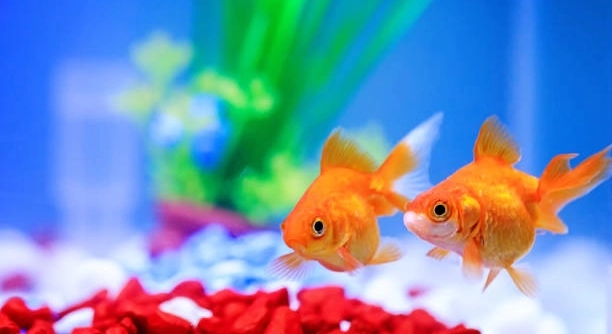
Keeping your goldfish water at the right pH level is crucial for their health. Proper pH balance ensures they thrive in a safe environment and can swim comfortably without stress or risk of illness.
Maintaining a stable pH level for goldfish requires regularly testing the water and adjusting it as needed. Use pH buffers, water conditioners, or natural methods to ensure the water stays within the optimal range of 7.0 to 7.5.
With simple adjustments and the right tools, you can keep your goldfish’s environment stable and safe. Keep reading for easy steps to achieve this.
Test Your Water Regularly
The key to keeping goldfish water at the right pH level is testing it frequently. Using a pH testing kit allows you to monitor changes in the water and address them before they cause problems. Aim to test the water at least once a week. Frequent testing helps you catch shifts in pH, which can happen due to factors like water changes or the introduction of new plants and decorations. Keeping track of pH levels ensures the water stays balanced and your goldfish stay healthy.
Once you’ve tested the water, take note of the pH level and compare it to the ideal range for goldfish, which is 7.0 to 7.5. This will help you determine if adjustments are needed. Regular testing gives you peace of mind, knowing you are providing the best environment for your goldfish.
A simple digital pH meter can make testing even easier. These meters give quick, accurate readings, making it easier to manage water conditions. Investing in a reliable meter can save you time and effort while keeping your goldfish happy.
Use pH Buffers
pH buffers are chemicals designed to stabilize the water’s pH. When added to your aquarium, they help maintain consistent water conditions. Using pH buffers is a simple and effective method to keep your goldfish’s water within the right range.
For best results, choose buffers that are specifically designed for freshwater aquariums. The right buffer will gradually raise or lower the pH to keep it stable. If you notice the water is constantly shifting, pH buffers can help by providing a more consistent environment. Always follow the product’s instructions for safe and effective use.
Add Aquatic Plants
Aquatic plants are a natural way to help stabilize pH levels. Plants absorb excess nutrients and help maintain a balanced environment. Adding a variety of live plants, like Java Fern or Anubias, can benefit the water chemistry. They contribute to overall water health and give your goldfish a more natural habitat.
Plants can act as natural filters, absorbing nitrates and carbon dioxide from the water. These processes help prevent fluctuations in pH and keep the water more stable. When selecting plants, make sure to choose species that thrive in your tank’s conditions. Adding live plants will also give your goldfish hiding spots and promote a healthier, more natural environment.
Having plants in your aquarium also promotes oxygenation. This helps to support the goldfish’s respiratory health. Additionally, plants can improve water clarity, as they absorb waste and reduce algae growth. Choose plants that complement the natural ecosystem you want to create in your tank.
Perform Regular Water Changes
Water changes are essential for maintaining the right pH level. Changing 10-20% of the water every week helps remove excess waste, toxins, and nitrates that can alter the pH. By removing polluted water and replacing it with fresh, treated water, you prevent harmful pH fluctuations. Regular changes also support the overall health of your goldfish.
Make sure to use a water conditioner when adding fresh water to your tank. Tap water may contain chemicals like chlorine, which can disrupt the pH balance and harm your fish. Always test the new water’s pH before adding it to the tank. Fresh water provides a stable base for maintaining proper pH levels, preventing the buildup of unwanted substances that could harm the environment.
Be mindful of the temperature when changing water. Sudden temperature changes can stress your goldfish and cause instability in the water’s pH. Use water that matches the tank’s current temperature to avoid shock. Regular water changes will ensure the health of both your goldfish and their environment.
Avoid Overfeeding
Overfeeding your goldfish can lead to waste buildup, which affects the pH levels of the water. Leftover food decomposes, creating toxins and lowering water quality. This can cause pH fluctuations, stressing your goldfish. It’s important to feed your fish only as much as they can consume in a few minutes.
Overfeeding is a common issue for many aquarium owners. While it’s tempting to give your fish extra food, doing so can throw off the water balance. Stick to a feeding schedule and remove any uneaten food promptly. This simple step will help maintain both the water quality and the pH levels.
Use a Proper Filtration System
A good filtration system is essential for maintaining water quality and pH stability. Filters remove waste, debris, and excess nutrients that can impact the pH balance. Choose a filter designed for the size of your tank, ensuring it runs efficiently to keep the water clear and clean.
Regularly clean the filter to ensure it works at its best. Over time, filters can become clogged, reducing their ability to maintain water conditions. Check and replace filter media as needed to prevent buildup, which can alter the water’s pH. A well-maintained filter is crucial for keeping your goldfish’s environment stable.
Monitor Water Temperature
Water temperature affects pH stability, so it’s important to keep it within a consistent range. Fluctuating temperatures can cause shifts in pH levels, leading to stress for your goldfish. Use a thermometer to monitor the temperature regularly and adjust the heater as needed.
FAQ
Why is maintaining the right pH level important for goldfish?
The right pH level is crucial for the overall health and well-being of your goldfish. If the pH is too high or too low, it can stress the fish, weaken their immune system, and make them more susceptible to diseases. Maintaining a stable pH helps goldfish thrive and ensures a balanced environment for their natural behavior.
What is the ideal pH range for goldfish?
Goldfish do best in water with a pH range between 7.0 and 7.5. This is considered neutral to slightly alkaline, which mimics their natural freshwater habitats. Maintaining this range allows the fish to feel comfortable and grow healthy over time.
How can I test the pH level of my goldfish tank?
You can test the pH level using either liquid test kits or digital pH meters. Liquid test kits are affordable and simple to use; just add a few drops to a water sample and compare the color change to the chart provided. Digital meters offer more precision and convenience, providing instant readings. Testing the water once a week is ideal.
What can cause pH fluctuations in my goldfish tank?
Several factors can cause pH fluctuations, including overfeeding, insufficient filtration, or the introduction of new plants or decorations. Organic waste, such as uneaten food or fish waste, can break down into acidic compounds, lowering the pH. Water changes, the addition of chemicals, or changes in the environment can also affect the pH.
How do I raise the pH level in my goldfish tank?
To raise the pH, you can add a pH buffer or use natural methods like adding crushed coral or limestone to the substrate or filter. These materials slowly release alkaline compounds into the water, raising the pH gradually. Always adjust the pH slowly, as rapid changes can stress your goldfish.
How do I lower the pH level in my goldfish tank?
If the pH is too high, you can lower it by using pH-lowering products like phosphoric acid, or by adding driftwood, peat moss, or almond leaves. These materials release tannins into the water, which can naturally reduce the pH. It’s important to monitor the pH closely when making adjustments.
Can I use tap water for my goldfish tank?
Tap water is often treated with chlorine or chloramine, which can affect the pH and be harmful to goldfish. Before adding tap water to your tank, use a water conditioner to neutralize these chemicals. Additionally, test the pH of your tap water before use to ensure it’s within a safe range for your goldfish.
How often should I perform water changes to maintain proper pH levels?
Performing regular water changes is essential to keeping the pH stable. A 10-20% water change once a week is recommended. This helps remove waste and excess nutrients that could alter the pH. Consistent water changes ensure that the water remains fresh and the pH stays within the ideal range for your goldfish.
Can live plants help with maintaining pH?
Yes, live plants are beneficial for maintaining stable pH levels. They absorb excess nutrients and carbon dioxide, which can help reduce pH fluctuations. In addition to helping with pH, plants provide oxygen, hideouts, and a more natural environment for your goldfish. Choose plants that are suited to your tank conditions for the best results.
How do I know if the pH is too high or too low for my goldfish?
If the pH is too high (above 7.5), your goldfish may appear stressed, have trouble breathing, or exhibit erratic swimming patterns. If the pH is too low (below 7.0), they may show signs of lethargy, reduced appetite, or faded colors. Regular testing is the best way to ensure the pH stays in the ideal range.
What can happen if I don’t maintain the pH level in my goldfish tank?
Failing to maintain the right pH can lead to health problems for your goldfish. It can weaken their immune system, making them more susceptible to diseases. In extreme cases, they may experience long-term damage, stunted growth, or even death. Consistently monitoring and adjusting the pH helps avoid these risks.
Can pH changes affect other water parameters?
Yes, pH changes can impact other water parameters, such as ammonia and nitrate levels. In more acidic water, ammonia becomes more toxic, which can harm your goldfish. Maintaining a balanced pH also helps keep other water parameters stable, creating a healthier environment for your fish.
Are there any natural ways to stabilize pH without chemicals?
There are several natural ways to help stabilize pH. Adding certain types of aquarium substrate, such as crushed coral, limestone, or aragonite, can help raise pH naturally. Using live plants and keeping your tank clean also contributes to more stable water chemistry, reducing the need for chemical interventions.
Final Thoughts
Maintaining the right pH level in your goldfish tank is an essential part of keeping your fish healthy. Goldfish thrive in water that has a neutral to slightly alkaline pH, generally between 7.0 and 7.5. If the pH fluctuates outside this range, it can cause stress to the fish, affecting their overall health and immune system. Regular testing of the water is a simple and effective way to monitor the pH and make adjustments when needed. By keeping the water stable, you create a safer and more comfortable environment for your goldfish to live in.
There are several ways to maintain a stable pH, and most methods focus on controlling the factors that cause pH fluctuations. For instance, overfeeding, poor filtration, and excess organic waste all contribute to changes in pH levels. By avoiding overfeeding and ensuring proper filtration, you can prevent the buildup of harmful substances in the water. Additionally, using live plants in your tank can help naturally regulate the pH by absorbing excess nutrients and carbon dioxide. Regular water changes are another key step to ensure the pH remains in the optimal range for your goldfish.
If you ever need to adjust the pH, it’s important to do so gradually. Rapid changes in pH can cause harm to your fish and lead to further instability. Whether you need to raise or lower the pH, using natural methods, like adding crushed coral to increase pH or driftwood to decrease it, is often the safest approach. In the long run, keeping your goldfish’s environment clean and balanced will reduce the need for frequent pH adjustments. By following these simple guidelines, you can ensure that your goldfish remain healthy and happy for years to come.

Hello,
If you enjoy the content that we create, please consider saying a "Thank You!" by leaving a tip.
Every little bit helps us continue crafting quality advice that supports the health, happiness, and well-being of pets around the world, for pets of all shapes, sizes, and species.
We really appreciate the kindness and support that you show us!