
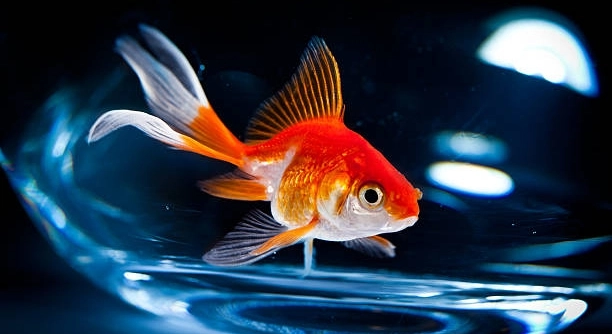
Goldfish make wonderful pets, and providing them with the right tank shape is crucial for their health and happiness. Knowing which tank shapes work best for them can help create the ideal environment to thrive.
The best tank shapes for goldfish are typically long and wide, such as rectangular or bow-front tanks. These shapes provide ample swimming space and allow for proper water filtration, ensuring your goldfish stay healthy and active.
Choosing the right tank shape can make a significant difference in your goldfish’s well-being. Understanding these factors will help you provide them with the perfect home.
Best Tank Shape for Goldfish: Rectangular Tanks
When it comes to choosing the best tank for your goldfish, rectangular tanks are often the top choice. These tanks provide the most space for goldfish to swim, which is important for their health. The length of the tank gives your goldfish room to move around without feeling cramped. The wider surface area allows for better oxygen exchange, which helps maintain water quality. Plus, with more space, your goldfish can display their natural swimming patterns and behaviors.
Rectangular tanks are available in various sizes, making it easy to find one that suits your available space and number of goldfish. They are also easy to clean and maintain, which can be important if you’re a first-time fish owner.
Overall, rectangular tanks provide the best environment for goldfish, helping them thrive. Their shape maximizes swimming space, improves filtration, and supports healthy water conditions. For a goldfish, a rectangular tank is an ideal choice to ensure a happy and long life.
Bow-Front Tanks for Goldfish
Bow-front tanks offer a unique style with a curved front that adds visual appeal to any room. These tanks provide a little more depth than rectangular tanks, which can be beneficial in some cases. However, they are often not as spacious, so goldfish may feel restricted.
Although bow-front tanks may not be the first choice for goldfish, they do have some advantages. The curved design provides an unobstructed view of the fish and can make for a more visually interesting display. These tanks are also available in various sizes, making them a good option for smaller goldfish setups.
While the shape of a bow-front tank isn’t ideal for goldfish, it’s still a popular choice for many fishkeepers. Goldfish can still thrive in these tanks if they have plenty of swimming space and proper water filtration. However, always keep in mind that a goldfish’s health is more important than aesthetics when choosing the right tank.
Hexagonal Tanks for Goldfish
Hexagonal tanks may look attractive, but they aren’t the best for goldfish. The shape offers limited swimming space compared to rectangular tanks. Goldfish need room to swim freely, and the design of hexagonal tanks can cause them to feel cramped. These tanks also make filtration more difficult.
While a hexagonal tank might be a decorative piece in your home, it doesn’t provide the optimal environment for your goldfish. The angles and corners restrict natural swimming patterns, which can lead to stress over time. This is especially true if you have a larger goldfish. The lack of horizontal space is one of the main issues.
In addition, hexagonal tanks tend to have more surface area at the top, which can make it harder to keep the water temperature consistent. Goldfish prefer stable water conditions, and any fluctuations in temperature can cause stress or even illness. A more traditional tank shape would be a better choice for your goldfish’s long-term health.
Circular Tanks for Goldfish
Circular tanks are often seen as cute or trendy, but they aren’t suitable for goldfish. They have no corners or flat sides, meaning there isn’t enough space for goldfish to swim properly. Goldfish need a tank with adequate length, and circular tanks simply don’t provide that.
One of the main drawbacks of circular tanks is that the lack of space prevents your goldfish from moving freely. Goldfish need room to grow and explore, and these tanks can cause them to feel confined. Without enough space to swim around, your goldfish could become stressed, affecting their health and well-being.
Another problem with circular tanks is their shape. The curved walls can distort the view of the fish, which makes it harder for you to properly monitor their health. Additionally, it’s difficult to maintain proper filtration in a circular tank, which is crucial for keeping the water clean and safe for your fish.
Square Tanks for Goldfish
Square tanks can be a decent choice but are not ideal for goldfish. The shape limits the swimming space, which is vital for goldfish to stay healthy. Goldfish need plenty of room to move around, and square tanks often don’t offer enough.
While square tanks do allow for some horizontal space, the lack of width or length doesn’t help goldfish thrive. A square tank may also be harder to clean compared to a rectangular one, making maintenance more challenging. Goldfish require a clean and stable environment, which square tanks may not always provide.
Tall Tanks for Goldfish
Tall tanks might seem like a good idea for a goldfish tank setup, but they often present several issues. While they offer more height, they don’t provide the necessary swimming space horizontally, which is essential for goldfish. Goldfish thrive in wide tanks, not tall ones.
Goldfish prefer swimming in long, horizontal spaces rather than vertically. Tall tanks may restrict their natural swimming behaviors, which could lead to stress. The water surface area is also smaller in tall tanks, which reduces oxygen exchange. This can cause water quality to deteriorate faster, making it harder to maintain a healthy environment.
Small Tanks for Goldfish
Goldfish require plenty of space to live comfortably. A small tank, no matter the shape, won’t be enough to meet their needs. Goldfish grow quickly and need a tank with ample swimming room, so a small tank can stunt their growth.
FAQ
What is the best tank size for goldfish?
The best tank size for goldfish depends on the number of fish you have. For a single goldfish, a tank that holds at least 20 gallons is ideal. Goldfish grow large, so providing them with more space is essential for their health. For each additional goldfish, you should add 10 gallons to the tank size. A larger tank helps keep the water clean, reduces the risk of disease, and provides enough space for your fish to swim and thrive. Make sure the tank has enough room for filtration to maintain healthy water conditions.
Can goldfish live in a bowl?
No, goldfish should not live in a bowl. Bowls are too small and don’t provide enough space for goldfish to swim properly. Goldfish can grow up to 12 inches or more, depending on the breed, and need room to move. A bowl is also difficult to maintain and clean, which can lead to poor water quality. Poor water quality stresses goldfish and can lead to health problems. A proper aquarium with a filtration system is essential for their well-being.
How often should I clean my goldfish tank?
You should clean your goldfish tank every 1-2 weeks. However, regular maintenance tasks like removing uneaten food and debris should be done every few days to ensure clean water. When cleaning, make sure to change 25-30% of the water each time, which helps maintain stable water conditions. Scrubbing the tank and replacing filter media should also be part of your regular routine. Be sure to avoid overcleaning, as this can disrupt the tank’s beneficial bacteria, which help keep the water healthy.
What type of filter is best for a goldfish tank?
Goldfish produce a lot of waste, so a good filtration system is crucial. Canister filters and sponge filters are some of the best options for goldfish tanks. Canister filters offer powerful filtration, which helps keep the water clean and clear, while sponge filters are gentle and provide biological filtration. The best filter depends on your tank size and the number of goldfish you have. Make sure the filter has a good turnover rate, meaning it can filter the entire volume of the tank at least 4-6 times per hour.
Do goldfish need a heater in their tank?
Goldfish are cold-water fish, meaning they do not require a heater unless the water temperature drops too low. The ideal temperature for goldfish is between 65-75°F (18-24°C). If you live in a region with very cold winters, a heater may be necessary to keep the water temperature stable. However, avoid overheating the tank, as this can stress goldfish and negatively affect their health. Always monitor the water temperature using a reliable thermometer.
Can goldfish live with other fish?
Yes, goldfish can live with other fish, but it’s important to choose tank mates carefully. Goldfish are peaceful fish and can cohabitate with other species that prefer cooler water temperatures. Some good tank mates for goldfish include snails, shrimp, and other cold-water species like white cloud minnows or dojo loaches. Avoid keeping goldfish with smaller or aggressive fish, as they may harm or outcompete your goldfish. Ensure that all fish in the tank can tolerate similar water conditions.
How can I tell if my goldfish is healthy?
Healthy goldfish will have vibrant colors, clear eyes, and smooth scales. Their fins should be fully extended, and they should swim actively without any difficulty. If your goldfish seems lethargic, has ragged fins, or is hiding at the bottom of the tank, it may be sick. Changes in behavior, such as loss of appetite or excessive swimming in circles, could indicate a problem. Regular water tests to check for ammonia, nitrites, and pH levels are important in maintaining a healthy environment.
What do goldfish eat?
Goldfish are omnivores, so they will eat a variety of foods. A balanced diet for goldfish includes high-quality pellet or flake food, supplemented with occasional treats such as live or frozen brine shrimp, bloodworms, and vegetables like peas or lettuce. Be careful not to overfeed your goldfish, as uneaten food can pollute the water. Goldfish also enjoy grazing on algae, but it’s important to make sure their diet remains varied and well-balanced to avoid nutritional deficiencies.
How fast do goldfish grow?
Goldfish can grow quickly, especially if provided with the right tank size and water conditions. They can grow up to 1-2 inches in their first year, and continue to grow as they age. A healthy goldfish can reach 6-8 inches in about 3 years, and some larger breeds can grow up to 12 inches or more. Providing them with ample space to swim, proper filtration, and a balanced diet will encourage healthy growth. Keep in mind that growth can slow down if they are kept in too small a tank.
Can goldfish live in outdoor ponds?
Goldfish can live in outdoor ponds, and many owners choose to keep them in this type of environment. Outdoor ponds provide ample space for goldfish to swim, and the natural filtration system can help maintain water quality. However, it’s important to ensure the pond is properly maintained and that the water temperature doesn’t drop too low in winter. You may need to use a pond heater or aerator during colder months to keep the water from freezing. Ensure the pond is large enough and free from predators.
Final Thoughts
Choosing the right tank shape and size for your goldfish is crucial for their overall health and well-being. Goldfish are active swimmers and need ample space to move freely. A tank that offers plenty of horizontal swimming room will help your fish stay healthy, happy, and stress-free. While tanks with a rectangular or bow-front design are often the best choices, it’s important to keep in mind that goldfish require a clean and stable environment. Regular maintenance and proper filtration are essential to provide a good living space for your goldfish.
It’s also worth noting that goldfish can live for many years if given the proper care. With the right tank setup, the right water conditions, and a balanced diet, they can thrive for a long time. While some tank shapes like hexagonal, circular, and tall tanks may look appealing, they generally don’t provide enough space or comfort for goldfish. Small tanks are also unsuitable, as goldfish need room to grow and swim freely. Choosing the right tank size and shape is one of the most important factors in ensuring your goldfish live a long, healthy life.
In the end, the key to a happy goldfish lies in meeting their specific needs. This means providing them with a suitable tank size, ensuring proper filtration, maintaining water quality, and offering a well-balanced diet. It’s also important to monitor their behavior and health regularly to spot any potential issues early. Goldfish may be hardy creatures, but their living conditions play a big role in their happiness and longevity. With the right setup, your goldfish can enjoy a thriving and fulfilling life.

Hello,
If you enjoy the content that we create, please consider saying a "Thank You!" by leaving a tip.
Every little bit helps us continue crafting quality advice that supports the health, happiness, and well-being of pets around the world, for pets of all shapes, sizes, and species.
We really appreciate the kindness and support that you show us!