
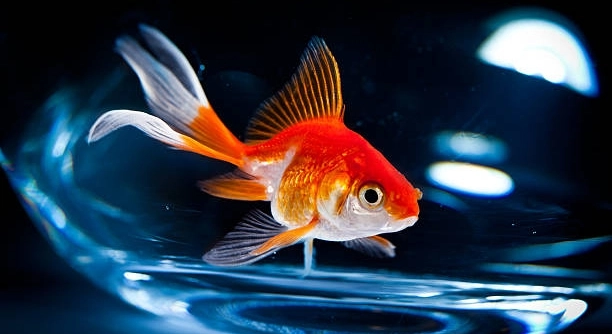
Overcrowding can cause stress and health issues for your goldfish. Knowing the signs is key to keeping them happy and healthy in their tank. This article will help you identify the signs of overcrowding and take the right steps.
Overcrowding in a goldfish tank occurs when there are too many fish for the tank’s size or filtration system to handle. This can lead to poor water quality, increased stress, and health problems for your goldfish.
Identifying overcrowding early on is essential for your goldfish’s well-being. By monitoring these signs, you can prevent further complications and create a better environment for your aquatic friends.
Tank Size Is Too Small for Your Fish
A goldfish needs space to swim comfortably. If your tank is too small, your goldfish might start to show signs of stress, which could lead to health issues. The general rule is that a goldfish needs at least 20 gallons of water for the first fish and 10 more gallons for each additional one. When you overcrowd the tank, water quality decreases quickly because the filter has to handle more waste than it was designed for. This can cause your fish to become sick or stressed out, affecting their overall health.
Goldfish grow at different rates, and some might need more space as they mature. If your tank is on the smaller side, consider upgrading to a larger one, especially if you plan to add more fish in the future.
Even with the best filtration system, a smaller tank will always struggle to keep up with the demands of a growing fish population. Overcrowding not only affects the space available but also impacts oxygen levels, which are crucial for your fish. Goldfish produce waste as they swim, and in a confined space, that waste accumulates faster than the filter can handle. The result is poor water quality, which can lead to skin problems, fin rot, and other diseases. More space allows for better circulation, cleaner water, and a healthier tank environment.
Poor Water Quality
Poor water quality is a direct result of overcrowding, especially in smaller tanks. With too many fish in the tank, waste accumulates quickly, making the water dirty and toxic.
To maintain healthy water conditions, invest in a high-quality filter, and perform regular water changes. This will help ensure that your fish have clean, safe water to live in.
Aggressive Behavior Among Fish
When fish feel cramped, they become more aggressive toward each other. Overcrowding can make them feel threatened, leading to nipping, chasing, or fighting. This stress can cause injury or even death if not addressed quickly.
Goldfish, especially when overcrowded, might start showing aggression as a way of protecting their territory. Fish that are too close to one another can feel the need to establish dominance, resulting in constant conflict. This can cause damage to fins and scales, which opens the door for infections to set in. If aggression becomes a regular issue, it’s a clear sign that the tank is too small for the number of fish you have.
In some cases, fish that are constantly harassed might stop eating or retreat to corners of the tank. This stress makes them weaker and more vulnerable to disease. Keeping an eye on their behavior is a good way to gauge whether your tank is too overcrowded and if changes need to be made. Larger tanks with adequate space reduce these territorial issues and provide a calmer environment for your fish.
Stunted Growth
Overcrowding prevents your goldfish from growing to its full potential. When fish are confined to a small space, they can’t get enough resources like food and oxygen to thrive. This leads to stunted growth.
If you notice that your goldfish isn’t growing as expected, overcrowding might be the reason. While genetics play a part in growth, space and food availability have a significant impact as well. A lack of room means your fish won’t get enough oxygen, which can stunt development and lead to health problems. It’s crucial to provide your goldfish with enough room to grow and explore.
As goldfish grow, they need more space to move around. If the tank is overcrowded, the fish won’t get the oxygen and food they need to continue developing. Without this essential space, their organs can become underdeveloped, and this might lead to long-term health issues.
Decreased Oxygen Levels
Overcrowding can lead to low oxygen levels in your tank. Fish need oxygen to breathe, and when the tank is too full, oxygen isn’t replenished quickly enough. This leads to suffocation or weakened immune systems.
When there are too many fish, they all consume oxygen faster than the filter can provide it. If oxygen levels drop too low, your fish may become lethargic, float near the surface, or breathe rapidly. Regular water changes and proper aeration are essential to maintaining healthy oxygen levels in the tank.
If your goldfish begins to swim near the surface or gasps for air, it’s a clear sign that oxygen levels are too low. Consider adding an air pump to your tank or increasing water circulation to help improve oxygen flow.
Inability to Properly Clean the Tank
With more fish in a smaller space, it becomes harder to maintain a clean tank. Overcrowding means that the filter will struggle to keep up with waste production, making it necessary to clean the tank more frequently.
The excess waste from too many fish not only affects water quality but also leads to algae growth. A dirty tank can quickly become a breeding ground for bacteria, which can harm your goldfish. If the tank is left unchecked, it might result in cloudy water, foul odors, and sick fish.
Poor Swimming Space
A crowded tank limits your fish’s ability to swim freely. Overcrowding can cause them to bump into each other or get stuck in corners, leading to physical injuries.
FAQ
How many goldfish can I keep in a 20-gallon tank?
In a 20-gallon tank, you should only keep one or two goldfish. Goldfish grow quickly, and each fish requires a significant amount of space to thrive. A 20-gallon tank offers enough space for a single goldfish or possibly two smaller ones, but any more would risk overcrowding. If you plan to add more goldfish, it’s important to increase the tank size accordingly. Remember that goldfish can grow up to 8 inches long or more, so they need room to swim freely without feeling cramped.
Can goldfish live with other fish in the same tank?
Goldfish can live with other fish, but it’s important to choose compatible species. Avoid keeping goldfish with aggressive or fast-moving fish that might compete for food. Goldfish are generally peaceful, but they can be slow eaters, so it’s best to pair them with other calm species. Keep in mind that goldfish produce a lot of waste, so if you add other fish to the tank, you’ll need to ensure it’s large enough and the filtration system is strong enough to handle the load. Fish like catfish or loaches can work well with goldfish since they’re peaceful and help keep the tank clean.
How often should I change the water in my goldfish tank?
You should change the water in your goldfish tank every week, especially if the tank is overcrowded. If you have fewer fish or a larger tank, you can extend water changes to once every two weeks, but goldfish are messy eaters and their waste builds up quickly. Regular water changes help remove toxins, keep the tank clean, and maintain good water quality. Always change 20-30% of the water, ensuring the temperature and pH are similar to the tank’s to avoid shocking your fish.
What happens if a goldfish is overcrowded?
Overcrowding can cause several issues for your goldfish. The first and most immediate issue is poor water quality due to increased waste production, which can lead to bacterial growth, algae, and even disease. Overcrowding also causes stress, leading to aggressive behavior, stunted growth, and weakened immune systems. When fish are crowded, they also compete for oxygen, which can make it difficult for them to breathe and thrive. Ensuring your tank is large enough for the number of fish you have will help prevent these problems.
Can overcrowded goldfish recover?
If you notice overcrowding in your tank and take action quickly, your goldfish can recover. First, reduce the number of fish in the tank by moving some to another tank or rehoming them. Then, perform regular water changes, increase filtration, and ensure the tank is large enough for the remaining fish. Keep an eye on your goldfish’s behavior and overall health. If they show signs of stress or illness, address water quality issues promptly. While it might take time for your goldfish to recover, they can return to normal once the tank environment improves.
Do goldfish need a filter if they’re not overcrowded?
Yes, goldfish still need a filter, even if they are not overcrowded. Goldfish produce a lot of waste, and without a filter, that waste will quickly pollute the water. A good filter helps remove debris, excess nutrients, and toxins, maintaining a healthier environment for your fish. A filter also helps oxygenate the water, which is essential for goldfish’s health. Even in a relatively clean tank, goldfish need a filter to keep their habitat stable and avoid health issues related to poor water quality.
How can I tell if my goldfish is stressed from overcrowding?
Stressed goldfish may exhibit a variety of signs, such as swimming erratically, hiding, or staying near the water surface. They might stop eating or show aggression toward other fish. Physical signs like clamped fins, pale coloration, or torn fins can also point to stress. Overcrowding can lower oxygen levels, increasing stress in your goldfish. If you notice these signs, consider removing some fish from the tank and making necessary adjustments to improve the living conditions. Reducing stress can help your goldfish recover and regain normal behavior.
Can I use an air pump to fix overcrowding?
An air pump can help improve oxygen levels in your tank, but it won’t solve overcrowding. While it can help alleviate some issues related to low oxygen, overcrowding causes more serious problems, such as poor water quality, stress, and aggression. If your tank is overcrowded, the best solution is to either upgrade to a larger tank or reduce the number of fish. An air pump should be used alongside proper tank maintenance to support the health of your goldfish, but it won’t fix overcrowding on its own.
How do I prevent overcrowding in the future?
To prevent overcrowding, always plan for the growth of your goldfish. If you’re unsure about how many fish to add, consider the 10-gallon rule: 10 gallons for the first goldfish and an additional 10 gallons for each fish after. Make sure to regularly check your tank’s population, and when necessary, upgrade to a larger tank. Avoid impulse purchases and always make sure your tank is large enough to accommodate the number of goldfish you want to keep. If you have a small tank, consider only keeping a single goldfish, as they require plenty of room.
Can overcrowding affect the lifespan of my goldfish?
Yes, overcrowding can significantly shorten your goldfish’s lifespan. When goldfish are overcrowded, they experience constant stress, poor water quality, and a lack of proper nutrition and oxygen. These conditions weaken their immune systems and increase the risk of diseases. Over time, this can lead to stunted growth and premature death. Giving your goldfish enough space to swim freely and ensuring that their tank is properly maintained will increase their chances of living a long and healthy life.
Final Thoughts
Overcrowding is a serious issue that can negatively affect your goldfish’s health and well-being. It may seem like adding more fish to the tank could be fun or make your aquarium look more lively, but in reality, it often leads to problems. When the tank becomes too crowded, the water quality deteriorates quickly, causing stress and health issues for your goldfish. The fish need space to grow, swim comfortably, and access enough oxygen to stay healthy. Without this space, they are at a higher risk of disease, injury, and stunted growth.
It’s essential to keep an eye on your tank’s size, the number of fish, and how the water quality is maintained. If you notice signs of overcrowding, like aggression, stunted growth, or poor water conditions, it’s important to act quickly. You may need to reduce the number of fish in the tank, upgrade to a larger tank, or improve your filtration system. Regular water changes, proper filtration, and making sure your tank is the right size for the number of fish are all crucial steps in preventing overcrowding. This will ensure that your goldfish have a healthy environment to thrive in.
Ultimately, your goldfish’s health and happiness depend on the care and attention you give them. Overcrowding can cause long-term harm, so it’s better to plan ahead and provide a spacious and clean environment. By monitoring your tank regularly and making adjustments when needed, you can prevent overcrowding and ensure your goldfish live long, healthy lives. Keeping the tank properly sized for the number of fish, maintaining good water quality, and giving your goldfish space to grow will lead to a much better and happier aquarium experience for both you and your fish.

Hello,
If you enjoy the content that we create, please consider saying a "Thank You!" by leaving a tip.
Every little bit helps us continue crafting quality advice that supports the health, happiness, and well-being of pets around the world, for pets of all shapes, sizes, and species.
We really appreciate the kindness and support that you show us!