
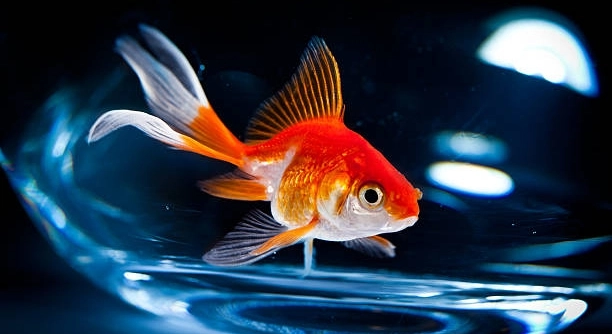
Goldfish are known for their unique behaviors, but if you notice your fish’s mouth constantly opening and closing, it could signal something more. Understanding this behavior is key to ensuring your goldfish’s health and comfort.
The constant opening and closing of a goldfish’s mouth is often a sign of respiratory distress, caused by factors like poor water quality, infection, or physical irritation. This behavior may also be linked to environmental stress or overcrowding.
By understanding the reasons behind this behavior, you can take the necessary steps to improve your goldfish’s well-being and prevent further issues. Keep reading to learn more.
Poor Water Quality
Goldfish are particularly sensitive to the quality of the water they live in. Dirty or polluted water can cause a range of issues, including the constant opening and closing of their mouths. If the water contains high levels of ammonia, nitrites, or nitrates, your goldfish may struggle to breathe. Additionally, unbalanced pH levels can also lead to respiratory problems. Regular water changes, a good filtration system, and testing your water are key steps to improving your fish’s environment.
A common issue with poor water quality is that it can lead to gill irritation, making it harder for your goldfish to breathe. This might cause them to open and close their mouths more frequently.
To prevent this from happening, make sure to check the water quality regularly and use water conditioners if necessary. Keeping the tank clean and maintaining proper filtration can help prevent respiratory issues. By doing this, you can reduce the stress on your goldfish and ensure they thrive.
Infection or Disease
Infections are another leading cause of mouth movement in goldfish. If your goldfish is opening and closing its mouth frequently, it might have a bacterial or parasitic infection. Infections can affect the gills or mouth area, making it harder for the fish to breathe.
Goldfish that are infected may display other symptoms, such as discolored or swollen gills, lethargy, or loss of appetite. If you suspect your goldfish has an infection, it’s important to treat it immediately.
For bacterial infections, antibiotics might be necessary, while parasites can be treated with anti-parasitic medications. If you’re unsure of the diagnosis, consulting a veterinarian specializing in fish health is always a good idea. Addressing infections promptly can prevent further complications.
Overcrowding
When there are too many fish in a tank, it can cause stress and lead to constant mouth movements. Goldfish require space to swim freely, and overcrowded conditions can make breathing more difficult. It’s essential to ensure your tank is the right size for the number of fish you have.
Goldfish need at least 20 gallons of water for the first fish, plus 10 gallons for each additional one. Overcrowding reduces water quality quickly, leading to stress and potentially making your fish more susceptible to diseases. A crowded environment can also make it difficult for your goldfish to find adequate oxygen, causing them to gasp for air.
To avoid overcrowding, plan your tank size carefully and consider the future growth of your goldfish. If you notice signs of stress or unusual behavior, it’s a good idea to reevaluate the number of fish in your tank. Making sure your goldfish has enough space can significantly improve its health.
Physical Irritation
Goldfish may also display excessive mouth movement as a response to physical irritation. This irritation could come from sharp objects, rough surfaces, or decorations in the tank. Goldfish can injure themselves by scraping against hard items, leading to mouth or gill issues.
Inspect your tank regularly for sharp or rough surfaces that might hurt your fish. If you find anything that could be causing harm, remove or replace it. Soft decorations and plants can help create a safer environment for your goldfish.
If the irritation continues despite your efforts, it might be a good idea to examine your fish more closely. Look for signs of injury or swelling around the mouth or gills. Treating injuries promptly can prevent further issues.
Stress
Goldfish are sensitive to stress, and it can cause them to open and close their mouths more often. Stress can come from sudden changes in their environment, loud noises, or even excessive handling. It’s important to keep their surroundings calm and stable.
Providing a peaceful environment helps reduce stress in goldfish. Make sure the tank is placed in a quiet, low-traffic area, and avoid disturbing your fish unnecessarily. Regular maintenance of the tank and filtration system also reduces stress factors related to poor water quality.
Temperature Fluctuations
Goldfish are cold-water fish and prefer a stable temperature range. Rapid changes in water temperature can cause stress, leading to abnormal mouth movements. Make sure your tank’s temperature stays within the ideal range of 65 to 75°F to prevent discomfort for your goldfish.
Goldfish are sensitive to extreme temperatures. If the water becomes too cold or too warm, they may have trouble regulating their breathing. Using a heater in colder months or placing the tank in a stable temperature zone can help avoid this. Consistent temperature is key to keeping them healthy.
Malnutrition
A lack of proper nutrition can also contribute to goldfish behavior like excessive mouth movement. If your goldfish isn’t getting the right balance of nutrients, it can affect its overall health, including breathing. Provide high-quality food that meets their dietary needs.
FAQ
Why is my goldfish’s mouth constantly opening and closing?
Constant mouth movements in goldfish are often a sign of respiratory distress, which can be caused by poor water quality, infections, or stress. It’s important to regularly check the tank’s water parameters, such as ammonia, nitrite, nitrate, and pH levels, to ensure they are within the proper range. If the water is polluted, the fish may struggle to breathe and open and close their mouths more frequently. If poor water quality isn’t the issue, infections, physical irritation, or overcrowding could be contributing factors.
What should I do if my goldfish’s mouth is constantly moving?
First, check the water quality. Test for ammonia, nitrites, and nitrates, and perform a water change if needed. You should also observe your goldfish for other symptoms like swelling, redness, or abnormal behavior that could indicate an infection. If there’s a visible injury, remove any sharp or rough objects from the tank. Lastly, ensure your goldfish isn’t in an overcrowded tank. Stress can exacerbate the problem, so make sure the tank is large enough for the number of fish.
Can temperature affect my goldfish’s breathing?
Yes, temperature fluctuations can stress goldfish and cause them to breathe irregularly. Goldfish prefer water temperatures between 65°F and 75°F. Sudden changes can affect their gill function and make them open their mouths more often. It’s important to keep the tank’s temperature steady. If you live in an area where the temperature fluctuates, consider using a heater to maintain the water at an optimal level for your goldfish’s health.
Could my goldfish’s mouth movement be caused by an infection?
Yes, mouth movements could be a sign of a bacterial or parasitic infection. Goldfish may open and close their mouths frequently if they have issues like gill or mouth infections. Look for signs such as swelling, discolored gills, or mucus around the mouth. If you suspect an infection, it’s best to isolate the affected fish and consult a vet for proper treatment.
Is it normal for goldfish to breathe with their mouths open?
Goldfish may occasionally open their mouths to gulp for air, but frequent or constant mouth movements aren’t normal. If this behavior persists, it may indicate a problem such as poor water quality, gill irritation, or infection. It’s essential to identify the underlying cause and address it promptly.
How often should I change the water in my goldfish tank?
Water changes are essential to maintain a healthy environment for your goldfish. A general rule of thumb is to change about 20-30% of the water every 1-2 weeks, but if the tank is smaller or the fish are overcrowded, more frequent changes may be necessary. Always use a water conditioner to neutralize chlorine and other harmful chemicals.
What is the best way to prevent overcrowding in my goldfish tank?
Goldfish need space to swim freely, and overcrowding can lead to poor water quality and increased stress. A single goldfish requires at least 20 gallons of water, and each additional goldfish needs an extra 10 gallons. Make sure your tank size matches the number of fish you have. If you are planning to add more goldfish, consider upgrading the tank or finding a new home for some of your fish to avoid overcrowding.
How do I know if my goldfish is stressed?
Signs of stress in goldfish include rapid gill movement, erratic swimming, loss of appetite, or rubbing against tank surfaces. Stress can be caused by poor water quality, temperature fluctuations, overcrowding, or other environmental factors. Keeping the tank clean, maintaining a stable temperature, and reducing noise or disturbances can help reduce stress.
Can I use medications to treat my goldfish if it has an infection?
Yes, you can use antibiotics or anti-parasitic medications to treat infections in goldfish, but you should first confirm the diagnosis. It’s important to know whether the issue is bacterial, parasitic, or fungal to choose the right treatment. Consult a vet or a fish health expert before administering medication to ensure you’re using the correct treatment.
How can I improve water quality in my goldfish tank?
To improve water quality, ensure you have a high-quality filtration system, perform regular water changes, and monitor the water’s ammonia, nitrate, and pH levels. Adding live plants can also help filter the water naturally. Avoid overfeeding your goldfish, as uneaten food can pollute the water.
What kind of food should I feed my goldfish?
Goldfish should be fed a balanced diet consisting of high-quality pellets or flakes, supplemented with occasional treats like blanched vegetables or brine shrimp. Avoid overfeeding, as this can lead to water pollution and digestive issues. A varied diet will keep your goldfish healthy and help prevent malnutrition.
How can I prevent physical injuries to my goldfish?
To prevent physical injuries, make sure the tank is free of sharp or rough objects. Check decorations and gravel for any edges that could harm your goldfish. Soft, smooth surfaces are better for the fish. Also, avoid sudden movements or loud noises that might startle them.
Should I isolate a goldfish with mouth issues from the others?
If you notice unusual mouth movement in one goldfish, it’s best to isolate the fish temporarily to prevent possible infection from spreading to others. This is especially important if the goldfish shows signs of illness or injury. Set up a quarantine tank with clean, treated water and monitor the fish closely.
How can I tell if my goldfish is getting enough oxygen?
If your goldfish is frequently opening and closing its mouth or swimming near the water surface, it may not be getting enough oxygen. Check the water’s oxygen levels and ensure your tank has proper aeration. You can add an air stone or adjust the filter to improve oxygen flow in the tank.
How do I know if my goldfish has an infection or disease?
Symptoms of infection in goldfish can include abnormal mouth movement, swollen or discolored gills, lesions, or a loss of appetite. You may also notice your goldfish rubbing against objects or hiding more than usual. If any of these signs appear, it’s important to treat the infection promptly to prevent it from worsening.
Final Thoughts
Goldfish are relatively hardy fish, but they can still experience a variety of health issues. If you notice your goldfish’s mouth constantly opening and closing, it’s important to address the underlying cause as soon as possible. Whether the issue is due to poor water quality, stress, infections, or temperature fluctuations, quick intervention can prevent further harm. Monitoring your goldfish’s behavior and regularly checking the water conditions will help ensure their well-being.
In many cases, the key to preventing mouth-related problems is maintaining a clean and stable environment for your fish. Regular water changes, proper filtration, and the right tank temperature are all important factors that contribute to your goldfish’s health. Additionally, offering a balanced diet and avoiding overcrowding will help keep your fish comfortable. Taking these simple steps will reduce the likelihood of mouth movements caused by poor conditions.
While constant mouth movements can be alarming, they are often a sign of an issue that can be resolved with attention and care. If you’ve ruled out environmental factors and basic health concerns, it may be time to consult a vet specializing in aquatic animals. With the right approach, your goldfish can live a long and healthy life. Keeping an eye on your goldfish and learning to recognize the signs of distress will allow you to provide the best possible care.

Hello,
If you enjoy the content that we create, please consider saying a "Thank You!" by leaving a tip.
Every little bit helps us continue crafting quality advice that supports the health, happiness, and well-being of pets around the world, for pets of all shapes, sizes, and species.
We really appreciate the kindness and support that you show us!