
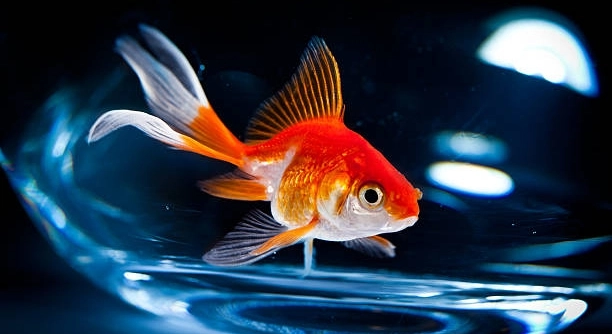
Goldfish are popular pets, and their sudden death can be shocking and upsetting. Understanding what causes these unexpected losses can help ensure their health and happiness. This article explains the common reasons goldfish die suddenly and how to prevent it.
There are several potential causes of sudden goldfish death, including poor water quality, improper diet, disease, stress, or injury. Each factor plays a crucial role in your goldfish’s health, and identifying them can help you prevent fatal outcomes.
Taking proper care of your goldfish can greatly reduce the chances of sudden death. By understanding these common factors, you can keep your goldfish healthy and happy for years to come.
Poor Water Quality
Goldfish are sensitive to water conditions, and poor water quality is one of the leading causes of sudden death. Ammonia, nitrites, and high levels of waste can build up in the tank, poisoning the fish. Without proper filtration and regular water changes, harmful toxins can accumulate, creating a hazardous environment for your goldfish.
Properly maintaining your aquarium is crucial. Test the water regularly for ammonia, nitrites, and nitrates, and ensure that the pH level is appropriate. Regular water changes—about 20-25% every week—will help keep the tank clean. Using a reliable filter also helps remove harmful substances from the water.
In addition to testing the water, avoid overcrowding your tank. Goldfish produce a lot of waste, and more fish means more toxins in the water. Make sure the tank is large enough to accommodate your goldfish comfortably. A tank that is too small can cause stress and worsen water quality, making it harder to maintain a safe environment.
Incorrect Diet
An improper diet can also contribute to the sudden death of your goldfish. Overfeeding or providing low-quality food can cause digestive issues, obesity, or malnutrition. When goldfish eat too much, leftover food can contaminate the water, leading to poor water quality as well.
Feeding your goldfish a balanced diet is essential. High-quality pellets or flakes are ideal for providing necessary nutrients. Goldfish also enjoy occasional treats like peas, daphnia, or brine shrimp. However, it’s important not to overfeed them. Only give them what they can eat in a few minutes to prevent excess waste.
Stress
Goldfish are highly sensitive to stress, which can lead to sudden death. Stress can result from overcrowding, abrupt changes in water temperature, or a sudden move to a new tank. These factors weaken their immune systems, making them vulnerable to disease.
Goldfish are also affected by environmental factors like loud noises, strong currents, and unfamiliar surroundings. It’s important to place your goldfish in a quiet, stable environment where they feel safe. Keeping the tank in a low-traffic area can reduce stress, as constant movement or noise can trigger anxiety in your pet.
Additionally, when goldfish are stressed, they may display signs like erratic swimming, loss of appetite, or hiding. These behaviors should not be ignored, as they often indicate an unhealthy environment. Ensuring a peaceful and stable environment can help reduce stress, promoting a healthier, happier fish.
Disease
Goldfish are susceptible to various diseases, some of which can cause sudden death. Bacterial infections, parasites, or fungal outbreaks are common issues that can affect goldfish. These diseases often spread quickly if not addressed promptly.
To prevent disease, it’s essential to maintain good water quality and hygiene in your aquarium. Quarantine new fish before introducing them to the main tank, as they could carry infections. If you notice symptoms like swelling, lesions, or unusual swimming, consult an aquatic vet for diagnosis and treatment.
In addition to keeping the tank clean and maintaining proper water conditions, it’s also important to observe your goldfish regularly for any signs of illness. Early detection can help prevent the spread of disease and ensure your goldfish stays healthy.
Injury
Goldfish can die suddenly due to physical injury. Bumping into tank decorations, aggressive tank mates, or even getting stuck in filtration systems can lead to fatal harm. Injuries may not always be visible, but they can cause internal damage, leading to sudden death.
Prevent injury by keeping the tank free of sharp objects or rough surfaces. Make sure any decorations are smooth, and avoid overcrowding. Having tank mates that are peaceful and compatible with goldfish will also reduce the risk of aggression. Always ensure your goldfish can swim freely.
Temperature Fluctuations
Sudden temperature changes can severely impact a goldfish’s health. Goldfish thrive in stable, cooler water temperatures, and fluctuations can cause stress or shock, sometimes leading to death. Keep the water temperature consistent.
Use a reliable aquarium heater with a thermometer to maintain the correct temperature. Goldfish do best in temperatures between 65-75°F. Avoid placing the tank near windows or heaters, as this can cause temperature shifts that your goldfish can’t tolerate.
FAQ
What are the signs that my goldfish is unhealthy?
Common signs of an unhealthy goldfish include changes in behavior such as lethargy, erratic swimming, or a loss of appetite. You may also notice physical changes like swelling, discoloration, or white spots on the skin. If your goldfish is scraping against tank surfaces or hiding, it could be a sign of stress or illness. Pay attention to these behaviors, as early detection can help prevent more serious problems.
How can I improve my goldfish’s water quality?
Regular water changes are key to maintaining good water quality. Change about 20-25% of the water every week to keep toxins at bay. Additionally, make sure to clean the tank and filter regularly. Test the water frequently for ammonia, nitrites, and nitrates to ensure levels remain safe. Using a high-quality filter helps maintain proper water conditions by removing debris and toxins from the tank.
What is the best diet for my goldfish?
Goldfish should be fed a variety of high-quality foods, including pellets or flakes designed for goldfish. You can also give them occasional treats such as peas, daphnia, or bloodworms. It’s important not to overfeed; only give your goldfish what they can eat in a few minutes. Overfeeding can cause excess waste, which can pollute the water and lead to health issues. Feed them two to three times a day, and remember to remove any uneaten food after a few minutes.
Can goldfish live with other fish?
Goldfish can live with other fish, but it’s important to choose compatible tank mates. Avoid aggressive species or small fish that might be seen as food. Goldfish are generally peaceful, but their size and eating habits can make them a bit rough with smaller fish. Ideal tank mates include other goldfish or species that can handle similar water temperatures and conditions. Always monitor the interactions to ensure there are no signs of aggression or stress.
How often should I clean my goldfish tank?
Cleaning your goldfish tank is crucial for their health. While water changes should be done weekly, you should clean the substrate, filter, and decorations monthly. Remove any debris and vacuum the gravel to prevent waste buildup. Clean the filter every 4-6 weeks, depending on its type and size. Regular cleaning helps maintain good water quality and reduces the risk of illness. Always be gentle during cleaning to avoid stressing your fish.
Why is my goldfish swimming upside down?
If your goldfish is swimming upside down or having trouble staying upright, it could have a swim bladder issue. This organ helps fish maintain their buoyancy, and when it’s not functioning properly, it can lead to swimming difficulties. Causes of swim bladder problems include overfeeding, constipation, or a bacterial infection. Try fasting your goldfish for a couple of days or offering a pea to help with constipation. If the problem persists, consult a vet for further treatment.
Can I keep a goldfish in a small bowl?
While goldfish are often kept in small bowls, it’s not ideal for their health. Goldfish need plenty of space to swim and grow, and a small bowl doesn’t provide the proper environment. A small tank can lead to poor water quality, which can stress the fish and lead to illness. It’s best to keep goldfish in a tank that’s at least 20 gallons, with proper filtration and room to swim. A larger tank helps maintain water quality and provides a more comfortable habitat for your goldfish.
What should I do if my goldfish is acting stressed?
If your goldfish is showing signs of stress, it’s important to identify the cause. Stress can be caused by poor water quality, temperature fluctuations, overcrowding, or aggressive tank mates. First, check the water conditions to ensure they’re safe, and make sure the tank is the correct temperature. Also, ensure your goldfish has enough space and isn’t being bothered by other fish. If you’ve made these adjustments and the stress continues, consider consulting a vet to rule out any underlying health issues.
How can I prevent my goldfish from getting sick?
To prevent your goldfish from getting sick, keep their environment clean and stable. Regularly test the water, perform weekly water changes, and clean the tank and filter. Avoid overfeeding, as excess food can pollute the water. Quarantine any new fish for a few weeks before adding them to the tank to prevent the spread of disease. Additionally, maintaining a stable temperature and reducing stress factors can help keep your goldfish healthy. By following these practices, you can minimize the risk of illness in your goldfish.
Why is my goldfish’s fin clamped?
Clamped fins are a common sign of stress or illness in goldfish. When goldfish feel stressed or unwell, they may keep their fins close to their body. This could be due to poor water quality, injury, or a disease like fin rot or parasites. Check the water quality and ensure there are no signs of aggression from other fish. If the problem persists, look for other signs of illness and consult an aquatic vet for a proper diagnosis and treatment.
Final Thoughts
Goldfish are often seen as easy-to-care-for pets, but they can face serious health issues that lead to sudden death. It’s important to understand the factors that can affect their well-being. By paying attention to water quality, diet, stress levels, and potential injuries, you can create a healthier environment for your goldfish. Regular maintenance and observation are key to preventing problems before they become critical. If you notice any signs of illness or distress in your fish, early intervention can make a significant difference in their health.
The most important factor in ensuring your goldfish live a long, healthy life is maintaining a stable, clean environment. Goldfish produce a lot of waste, which can quickly contaminate the water if not properly filtered and maintained. Regular water changes, using a high-quality filter, and monitoring the tank conditions will help keep your goldfish safe from toxins. A proper diet, appropriate tank size, and careful selection of tank mates also play a role in their health. These steps not only prevent sudden death but also ensure your goldfish live happily in their home.
Even with all the preventive measures, goldfish can still face unexpected health challenges. Understanding the signs of common diseases or stress can help you act quickly when needed. Being proactive about their care and staying informed about potential risks is the best way to protect them. Ultimately, with proper care, goldfish can thrive for many years, offering you enjoyment and companionship. By taking these steps, you will increase your chances of preventing sudden deaths and provide a better life for your goldfish.

Hello,
If you enjoy the content that we create, please consider saying a "Thank You!" by leaving a tip.
Every little bit helps us continue crafting quality advice that supports the health, happiness, and well-being of pets around the world, for pets of all shapes, sizes, and species.
We really appreciate the kindness and support that you show us!