
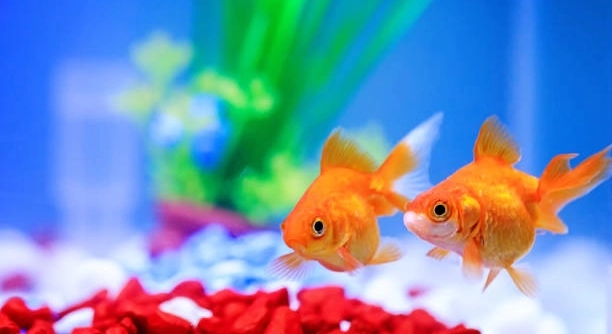
Goldfish are beautiful, graceful pets, but when their tails start curling, it can be a concern for their health. Understanding why this happens can help ensure your goldfish stays happy and well-cared for.
The curling of a goldfish’s tail is often a result of poor water quality, infections, or swim bladder issues. Other factors like stress, improper diet, or even genetics can also contribute to this condition. Immediate action is necessary to prevent further complications.
Recognizing the cause of your goldfish’s tail curling is important for taking the right steps in treatment and care.
Poor Water Quality
Water quality is one of the most common reasons for your goldfish’s tail curling. Goldfish produce a lot of waste, and if their tank isn’t filtered or cleaned regularly, ammonia and nitrate levels can rise. These toxins can irritate the skin and fins of your fish, leading to tail curling. Even minor fluctuations in water temperature or pH can add stress to your goldfish, making them more susceptible to health issues like tail curling. Make sure to test the water regularly and do partial water changes at least once a week to keep everything in balance.
Inconsistent water parameters can also weaken your goldfish’s immune system, making them more vulnerable to infections. Poor water quality is often an easy fix by ensuring proper filtration, frequent cleaning, and proper water testing. Consider adding water conditioners that neutralize toxins and promote a healthier environment.
Improving water quality will not only prevent tail curling but will also help your goldfish thrive. If you notice other signs of stress or illness, a more thorough tank clean might be needed.
Infections
Infections are another potential cause of a curled tail. Bacterial or fungal infections can make your goldfish’s tail swell, change shape, or curl. The damage can happen when your goldfish’s skin or fins are compromised, often due to poor water quality or an injury. These infections may present additional symptoms like redness, ulcers, or discolored fins.
Treatment for infections usually involves isolating your goldfish in a separate quarantine tank to prevent the spread of the disease. Using medicated fish treatments or salt baths can be helpful, but only if the right diagnosis has been made. It’s essential to maintain a clean tank to minimize infection risks, as infected goldfish are more prone to other health problems.
Proper diagnosis is key to successfully treating infections. It’s best to consult with a veterinarian specializing in fish health for accurate treatments and advice. By taking immediate action, you can prevent further complications.
Swim Bladder Issues
Swim bladder issues are another reason for your goldfish’s tail curling. This condition affects the fish’s buoyancy, causing them to swim erratically or struggle to maintain their position in the water. It can be caused by a variety of factors, including poor diet, water temperature, or even physical injury.
When a goldfish has swim bladder issues, they may show signs of tail curling, along with difficulty staying upright or floating at the water’s surface. Treatment often involves adjusting the water temperature and providing a high-fiber diet. Soaking food in garlic or offering peas may also help relieve the issue.
If your goldfish continues to show signs of swim bladder problems, consider isolating them in a separate tank to monitor their condition. In severe cases, medication designed for swim bladder disorders may be required. Consistent water changes and careful monitoring of their diet are key in preventing future issues.
Stress
Stress is a common cause of tail curling in goldfish. Overcrowding, poor water conditions, and changes in their environment can all contribute to stress. When stressed, goldfish may exhibit physical symptoms such as tail curling, as their immune system weakens.
Providing a stable and quiet environment is essential for reducing stress. If you’ve recently introduced new fish or decorations into the tank, this could be causing unnecessary stress. Consider rearranging the tank or providing hiding spots to help your goldfish feel secure. Regular water testing and proper filtration will also contribute to their overall well-being.
A goldfish under stress might not eat well or interact with other fish, showing signs of lethargy or aggression. Monitor their behavior closely and address any potential stressors to promote better health and reduce the chances of tail curling.
Poor Diet
A poor diet can also lead to your goldfish’s tail curling. Feeding them low-quality food can result in nutritional deficiencies, weakening their immune system and causing physical changes like tail curling. Goldfish need a balanced diet rich in fiber and essential nutrients to stay healthy.
Try providing a varied diet, including high-quality pellets, freeze-dried or frozen foods, and occasional live treats. Make sure to avoid overfeeding, as this can also lead to digestive issues, adding stress to their system. A well-rounded diet helps prevent health issues, including the curling of your goldfish’s tail.
Genetics
Genetics can play a role in tail curling. Some goldfish are simply born with tails that may curl as they grow, which is a natural part of their development. This isn’t always a sign of illness.
While genetics can’t be changed, ensuring your goldfish has optimal care will help manage any potential complications.
FAQ
Why is my goldfish’s tail curling?
Tail curling can occur due to several reasons, such as poor water quality, infections, swim bladder issues, stress, or even a poor diet. Poor water conditions, like high ammonia levels or fluctuating temperatures, can cause irritation to the fins. Infections, either bacterial or fungal, can cause swelling or curling of the tail. Swim bladder issues, often linked to overfeeding or sudden temperature changes, can also make the tail curl. Stress from overcrowding or changes in the environment can weaken your goldfish’s immune system, leading to tail curling. Finally, an imbalanced diet lacking essential nutrients may contribute to the problem.
How can I treat a goldfish with a curled tail?
First, assess the water quality by checking for ammonia, nitrites, and nitrates. If levels are high, perform water changes and improve filtration. Next, ensure the tank temperature is stable, as extreme changes can cause stress. If the cause is an infection, use a medicated treatment appropriate for fish. For swim bladder issues, adjusting diet or offering foods like peas may help. Reducing stress by providing a calm environment and ensuring your goldfish isn’t overcrowded can also promote recovery.
Can poor water quality cause tail curling in goldfish?
Yes, poor water quality is one of the most common causes of tail curling in goldfish. High levels of ammonia, nitrites, or nitrates can irritate your goldfish’s skin and fins. When water quality is compromised, it stresses your fish, making them more susceptible to illness, including tail curling. Regular water testing and maintenance are crucial for preventing this issue.
What are the signs of a goldfish infection?
Infections in goldfish can cause redness, ulcers, or discolored fins, including curled tails. Other signs include swelling, lesions, or cloudiness in the eyes. Goldfish with infections may also show a lack of appetite or abnormal swimming behavior. If you suspect an infection, it’s important to isolate the affected fish and treat it with an appropriate medication to prevent spreading it to other tank mates.
How do I fix swim bladder problems in goldfish?
Swim bladder issues in goldfish can often be treated by adjusting the water temperature and diet. To help, reduce the water temperature to about 68°F (20°C) to ease stress on the fish’s system. Offer high-fiber foods like peas, which can aid digestion and relieve swim bladder problems. Avoid overfeeding and feed smaller amounts more often to help prevent bloating. If swim bladder problems persist, try placing your goldfish in a separate tank to monitor their condition. In severe cases, consult a vet for medication.
How does stress contribute to tail curling?
Stress weakens a goldfish’s immune system, making it more susceptible to various health issues, including tail curling. Stress can result from overcrowding, sudden changes in water temperature, poor water quality, or a new tankmate. Goldfish are also sensitive to environmental changes, and too much activity in the tank or loud noises can be stressful. To reduce stress, maintain a clean, quiet tank and ensure that your goldfish has enough space to swim comfortably.
What can I do if my goldfish is stressed?
To help reduce stress in your goldfish, begin by ensuring that the tank is not overcrowded and the water is clean. Test the water for harmful toxins and perform regular water changes. Adding plants or rocks can provide hiding spots, making your fish feel more secure. Avoid making sudden changes to the tank, and place the tank in a quiet, low-traffic area to limit disturbances. Monitor their behavior and ensure no aggressive tankmates are causing stress.
Can diet affect tail curling in goldfish?
Yes, diet plays a significant role in maintaining the overall health of your goldfish, including the condition of their tail. A poor diet lacking in essential nutrients can lead to weak immune systems and physical changes like tail curling. Make sure to feed your goldfish a well-balanced diet, including high-quality pellets, freeze-dried or frozen foods, and occasional live treats. Avoid overfeeding, as this can cause digestive issues that may also contribute to tail curling.
Is it possible for a goldfish’s tail to curl naturally?
Yes, some goldfish breeds naturally have curled tails due to genetics. While this may be a normal characteristic of certain varieties, it’s still important to monitor their health closely. If you notice other unusual symptoms, such as redness or swelling, it could indicate an underlying issue, and further investigation would be needed.
How can I improve water quality in my goldfish tank?
To improve water quality, ensure your tank has a reliable filtration system. Test the water regularly to monitor ammonia, nitrate, and nitrite levels. Perform partial water changes weekly, removing about 25% of the water each time. Keep the tank free of excess waste by regularly cleaning decorations, substrate, and the filter. Using a water conditioner to neutralize harmful chemicals and maintaining a stable water temperature are essential steps for ensuring your goldfish thrive in a clean environment.
When should I see a vet for my goldfish?
If your goldfish’s tail curling doesn’t improve after water quality is addressed, or if you notice additional symptoms like lesions, swelling, or lethargy, it’s time to consult a veterinarian. A fish health specialist can help diagnose infections, swim bladder issues, or other health problems that may be affecting your goldfish. Early intervention is key to preventing further complications.
Final Thoughts
Tail curling in goldfish can be a sign of several issues, including poor water quality, infections, swim bladder problems, and stress. Identifying the cause of the problem early on can help prevent further health complications and improve the quality of life for your goldfish. Keeping an eye on their behavior and physical condition will make it easier to detect issues before they worsen. Regular maintenance of the tank, proper feeding, and ensuring a stable environment are key steps in supporting your goldfish’s well-being.
The most common cause of tail curling is poor water quality. Regular water testing is essential for detecting harmful levels of ammonia, nitrites, and nitrates, which can cause stress and lead to physical changes like tail curling. Maintaining a proper filtration system and performing weekly water changes will help ensure that your goldfish stay healthy and the water remains safe for them. Additionally, avoid overcrowding the tank, as this can increase stress levels and contribute to health problems.
If your goldfish continues to show signs of tail curling despite a stable environment and proper care, it may be time to consider other factors such as infections or swim bladder issues. In these cases, providing a specialized treatment or adjusting the diet may be necessary. It’s important to remain patient and consistent with care. By closely monitoring their health and making necessary adjustments, you can ensure your goldfish leads a long and healthy life.

Hello,
If you enjoy the content that we create, please consider saying a "Thank You!" by leaving a tip.
Every little bit helps us continue crafting quality advice that supports the health, happiness, and well-being of pets around the world, for pets of all shapes, sizes, and species.
We really appreciate the kindness and support that you show us!