
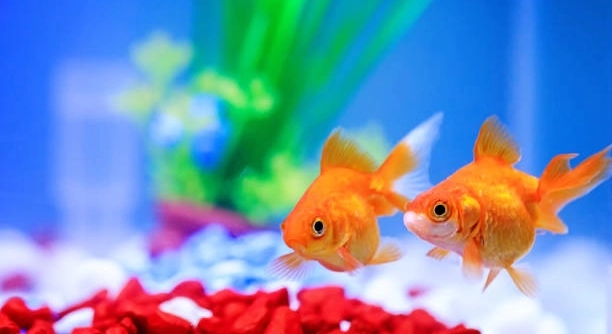
Goldfish are a popular pet choice for many, offering both beauty and serenity. However, before introducing one into your home, there are essential factors to consider to ensure a healthy and happy fish.
The primary considerations for getting a goldfish include proper tank size, water quality, diet, temperature, filtration, and the commitment required for their care. Goldfish can grow large and need consistent attention to thrive in a healthy environment.
Understanding these key points will help provide a better foundation for your goldfish’s well-being and longevity.
Tank Size Matters
When choosing a tank for your goldfish, size is crucial. A small bowl may look appealing, but it’s not suitable for their long-term health. Goldfish need room to swim and grow. A minimum of 20 gallons is recommended for one goldfish, with an additional 10 gallons for each additional fish. This ensures that they have enough space to thrive. A larger tank also helps maintain stable water conditions, reducing stress on the fish. Keeping goldfish in an overcrowded tank can lead to poor water quality, which can affect their health and lifespan.
While it may seem like a large tank is an unnecessary expense, it’s an investment in your goldfish’s well-being. A bigger tank provides more oxygen and room for filtration, which is essential to keeping the water clean. Remember, a larger space will not only keep your goldfish healthier, but it will also reduce the need for constant water changes. With proper tank size, your goldfish will live longer and happier.
Choosing the right tank size is essential. Ensure you can provide enough space for your goldfish to thrive in a clean environment.
Water Quality and Filtration
Goldfish produce a significant amount of waste, making good water quality essential. Regular water changes and filtration systems are key to maintaining a healthy environment. Filtration removes debris and harmful chemicals, ensuring that the water remains clean.
Diet and Feeding
Goldfish are omnivores and need a balanced diet. A combination of pellets, flakes, and occasional fresh vegetables will provide them with the necessary nutrients. Overfeeding can cause health problems, so it’s essential to avoid excess food in the tank.
Goldfish should be fed once or twice a day, with only the amount they can consume in a few minutes. Excess food will decay in the water, leading to poor water quality and health issues. Fresh vegetables like spinach or peas can be given as treats, but it’s best to avoid high-fat or processed foods. A varied diet will keep them healthy and vibrant.
Make sure to remove any uneaten food from the tank to prevent it from rotting. This helps maintain clean water and prevents the growth of harmful bacteria. Over time, you will get a sense of how much food your goldfish needs and avoid overfeeding.
Temperature and Environment
Goldfish thrive in stable temperatures between 65°F and 75°F. Keeping them in water that is too warm or cold can lead to stress and illness. Be sure to monitor the temperature regularly.
A heater can help maintain a consistent temperature, especially in colder climates. If you live in an area with fluctuating temperatures, a temperature-controlled environment will be beneficial. Avoid placing your goldfish tank near direct sunlight or heating vents, as this can cause rapid temperature changes, which can be stressful. Providing a stable environment contributes to their overall health and comfort, allowing them to live a longer life.
Filtration System
A good filtration system is vital for goldfish health. It helps maintain clean water by removing waste, uneaten food, and toxins. Ensure the filter is appropriate for your tank size and needs regular maintenance.
Filters need to be cleaned regularly to avoid buildup. This helps keep water quality high and reduces the risk of harmful bacteria growth. A reliable filtration system will prevent debris from accumulating, making it easier to maintain a clean, healthy environment. Goldfish will thrive in well-filtered water.
Goldfish Behavior
Goldfish are social creatures. They can recognize their owners and will often follow movements around the tank. They enjoy companionship and may become lonely if kept alone for too long.
Adding tank mates can be beneficial, but ensure they are compatible with goldfish. Keep in mind that some species may be too aggressive or too small to live comfortably with goldfish. It’s important to choose fish that won’t stress or harm your goldfish.
FAQ
How often should I clean my goldfish tank?
You should clean your goldfish tank every two weeks, but it depends on the size of the tank and how many fish you have. For larger tanks with good filtration, you may need to clean it less frequently. Regular maintenance, including removing uneaten food and debris, is also essential for maintaining water quality.
Can goldfish live in a bowl?
Goldfish should not live in a bowl. While it may seem convenient, a bowl offers too little space for a goldfish to grow properly. Goldfish can grow quite large, and they need at least 20 gallons of water for one fish. A small bowl will cause water quality issues, leading to health problems for your fish.
What is the ideal temperature for goldfish?
Goldfish thrive in water temperatures between 65°F and 75°F. Keeping the water at this temperature range promotes healthy metabolism and growth. If the temperature falls below this range or rises too high, it can stress your fish and weaken its immune system. Maintaining a stable temperature is crucial for their health.
What should I feed my goldfish?
Goldfish require a varied diet that includes high-quality pellets or flakes, along with occasional treats like vegetables (e.g., spinach, peas). Avoid feeding them high-fat or processed foods. Offer small amounts of food once or twice a day, ensuring they can eat it all in a few minutes. Overfeeding can lead to water quality problems.
How can I tell if my goldfish is sick?
Signs of a sick goldfish include changes in swimming behavior, loss of appetite, faded colors, unusual spots or lesions on the body, and clamped fins. If your goldfish is exhibiting any of these symptoms, it’s essential to check water quality and consult with a vet or aquarium expert for guidance.
Can goldfish live with other fish?
Goldfish can live with other fish, but it’s important to choose tank mates carefully. Avoid aggressive species, as goldfish are peaceful. Similarly, avoid very small fish that might be eaten. Some good tank mates for goldfish include other goldfish or species like corydoras catfish or snails, which won’t compete for food.
How long do goldfish live?
Goldfish can live for many years, sometimes up to 20 years or longer with proper care. Their lifespan depends on water quality, diet, tank size, and overall health. Providing a stable environment, feeding them properly, and keeping their tank clean will ensure they live a long and healthy life.
Do goldfish need a filter?
Yes, goldfish need a filter. Filters help remove waste, uneaten food, and toxins from the water, keeping it clean and safe. Goldfish produce a lot of waste, and without a filter, water quality will deteriorate quickly. A good filtration system helps maintain a healthy environment for your goldfish.
What’s the best way to introduce a new goldfish to a tank?
When introducing a new goldfish, float the bag with the new fish in the tank for 15-20 minutes to allow the water temperature to equalize. After that, slowly release the fish into the tank using a net, avoiding adding the water from the bag. This helps reduce the risk of introducing diseases or water chemistry imbalances.
Why are my goldfish swimming at the surface of the water?
Goldfish may swim at the surface if they’re not getting enough oxygen or if the water temperature is too high. It’s also a sign they may be hungry or stressed. Ensure the tank has proper aeration, maintain a stable temperature, and check for any other signs of illness.
Can goldfish live without a filter?
While goldfish can survive without a filter for short periods, it’s not ideal. Without a filter, the water quality will deteriorate quickly due to waste buildup. It’s important to perform frequent water changes if you don’t use a filter, but even then, a filter is highly recommended for long-term care.
Final Thoughts
Goldfish can be a rewarding pet, but they require proper care to thrive. A clean, spacious tank with the right filtration system is essential for their health. While they are often seen as easy-to-care-for pets, goldfish are living creatures that need attention and a stable environment. By providing them with the right conditions, you can enjoy their company for many years.
Feeding goldfish the correct diet and maintaining stable water conditions are crucial for their long-term health. Overfeeding can lead to poor water quality, while improper tank conditions can cause stress and illness. Goldfish grow larger than many people expect, so ensuring you have enough space for them is key. It’s also important to monitor their behavior and the quality of the water regularly to catch any potential issues early.
Taking care of a goldfish involves more than just feeding them and cleaning their tank occasionally. They need regular attention, including water changes and temperature checks. Understanding their needs will make the process smoother and help you provide the best environment for them. With the right setup and care, goldfish can become a beautiful and calming addition to your home.

Hello,
If you enjoy the content that we create, please consider saying a "Thank You!" by leaving a tip.
Every little bit helps us continue crafting quality advice that supports the health, happiness, and well-being of pets around the world, for pets of all shapes, sizes, and species.
We really appreciate the kindness and support that you show us!