
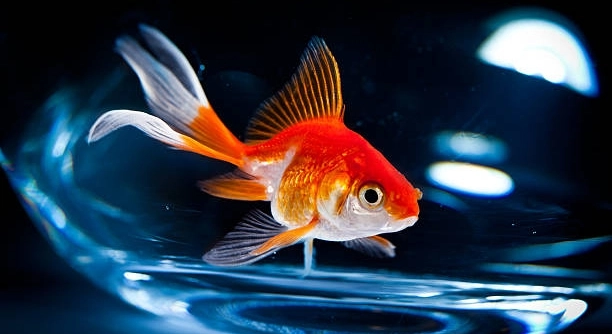
Choosing the right food for your goldfish is essential for its health and well-being. With so many options available, it can be overwhelming to find the best one. Understanding what makes a good goldfish food is key.
The best goldfish food provides the necessary nutrients for growth, color enhancement, and overall health. It is important to select food that is appropriate for the specific type of goldfish and to ensure it contains a balanced blend of protein, vitamins, and minerals.
The following guide will help you make an informed decision for your goldfish’s diet. Let’s explore the top choices available.
1. Pellets: Convenient and Balanced
Pellets are a popular choice for feeding goldfish because they are easy to use and nutritionally balanced. They come in various sizes to suit different types of goldfish, whether they are young or mature. Pellets typically provide a good mix of protein, vitamins, and minerals that support overall health. One of the main advantages is their convenience. They don’t create a mess in the tank, and the fish can easily digest them. However, it’s important to choose high-quality pellets made specifically for goldfish, as some may contain fillers that don’t benefit their health.
Goldfish will consume these pellets without much effort, and they can be a great addition to any tank. Just make sure to avoid overfeeding, as this can lead to water contamination.
Pellets are available in sinking and floating options. Sinking pellets are often better for goldfish, as they tend to feed closer to the bottom. If you choose floating pellets, be aware that they might not always reach the fish that prefer the bottom of the tank. Choosing the right type can ensure better digestion and prevent any food waste from floating around the tank.
2. Flakes: Popular and Easy
Flakes are another common choice for goldfish owners. They are easy to find, affordable, and simple to feed. However, some flakes don’t provide the same level of nutrition as pellets, so it’s important to choose flakes designed specifically for goldfish.
Flakes tend to float, which makes them suitable for surface feeders. They can be scattered in the water, allowing the goldfish to take small bites. Since flakes often dissolve faster than pellets, they can create more waste in the water. This means regular water changes and careful feeding are essential to maintain water quality.
3. Frozen Food: Nutritious and Fresh
Frozen food can be an excellent option for goldfish, offering them high-quality nutrients and variety. Options like brine shrimp, daphnia, and bloodworms provide protein that is important for growth. It’s a good idea to offer frozen food occasionally to diversify the goldfish’s diet. However, thaw it completely before feeding to avoid any issues with digestion.
Frozen food can be stored for a long time, and when fed properly, it helps to keep goldfish in peak condition. These foods also mimic what goldfish would find in the wild, providing natural and wholesome nutrition. The downside is that frozen food can create some mess in the tank, which will require regular cleaning.
Offering frozen food provides additional protein that pellets or flakes might lack. It also ensures your goldfish get a more varied diet, improving their overall well-being. However, don’t rely on it exclusively, as it’s best to offer a mix of different food types to ensure balance.
4. Live Food: Natural and Engaging
Live food offers goldfish a more natural feeding experience. Offering live foods such as brine shrimp or worms allows them to engage in instinctual hunting behavior, keeping them mentally stimulated. Goldfish enjoy the challenge of catching live food, which can encourage more movement and exercise.
Although it’s a great source of protein and provides variety, live food can introduce potential risks. It’s important to ensure the food is free of parasites or diseases that could harm your goldfish. If you choose live food, buy it from a reputable source and ensure it’s been properly handled and stored.
5. Vegetables: Healthy and Varied
Vegetables can be a great addition to your goldfish’s diet. Options like spinach, peas, and zucchini provide essential vitamins and fiber. Goldfish enjoy nibbling on these plant-based foods, which also aid in digestion. Always blanch vegetables before feeding to soften them and make them easier to consume.
While vegetables are healthy, they should not be the primary food source. They should complement a balanced diet that includes protein-rich options like pellets or live food. Overfeeding vegetables can also lead to water contamination, so moderation is key.
6. Bloodworms: Protein-Rich Treats
Bloodworms are a popular treat that goldfish love. These small larvae offer a high-protein snack that encourages healthy growth. Bloodworms are especially useful for goldfish in need of extra nutrition, whether they are breeding or recovering from illness. It’s important to use them sparingly, as they can be quite rich.
Bloodworms are available in freeze-dried, frozen, or live forms. Live bloodworms are most nutritious, though they can be messy. Freeze-dried options are more convenient and less likely to affect water quality. However, they can lose some nutritional value during the drying process.
7. Gammarus: A Good Supplement
Gammarus, a type of freshwater shrimp, can be a great supplementary food for goldfish. It’s full of nutrients like protein and omega-3 fatty acids. Gammarus is also known to promote the vibrant colors of your goldfish, making it an attractive option for many owners.
FAQ
What is the best food for goldfish?
The best food for goldfish depends on their specific needs. A mix of high-quality pellets, occasional live food, and frozen options works well. Pellets provide a balanced diet, while live food and frozen treats offer variety and extra nutrients. Always ensure the food you choose is designed for goldfish, as they have unique dietary requirements.
How often should I feed my goldfish?
Goldfish should be fed 1-2 times a day. It’s important not to overfeed them, as they have small stomachs and can easily become bloated. Only feed as much as they can consume within 2-3 minutes, and remove any uneaten food to prevent water contamination. Adjust feeding frequency based on the goldfish’s age and size.
Can goldfish eat human food?
While goldfish can eat some human food, it’s important to avoid items that are high in fat, sugar, or salt. Vegetables like peas, spinach, and zucchini are safe for goldfish. Cooked rice and small bits of plain egg or tofu can also be offered occasionally. Avoid offering foods like bread, chips, or processed snacks, as they are not suitable for goldfish.
Can goldfish eat fruits?
Yes, goldfish can eat fruits, but it should be given in moderation. Safe fruits for goldfish include small amounts of apple, pear, or watermelon. Always remove the seeds or pits from the fruit, as they can be harmful. Stick to fresh, ripe fruits and avoid any that are too sugary or acidic.
Are live foods safe for goldfish?
Live foods, like brine shrimp and bloodworms, can be safe for goldfish when sourced from a reputable supplier. However, they can introduce potential parasites or diseases if not handled properly. Always ensure live food is clean and disease-free before feeding it to your goldfish.
How do I know if I’m overfeeding my goldfish?
Overfeeding can lead to excess food breaking down in the tank, causing poor water quality. If your goldfish becomes lethargic, bloated, or has trouble swimming, it may be a sign of overfeeding. A good rule of thumb is to offer only as much food as the fish can consume in 2-3 minutes. Monitor your goldfish’s weight and adjust feeding accordingly.
Can goldfish eat pellets and flakes together?
Yes, you can feed your goldfish both pellets and flakes. Many goldfish owners use a combination of the two to provide variety in their diet. Just be careful not to overfeed, as both options can add up in calories quickly. Offering a variety of food also helps ensure your goldfish gets a well-rounded diet.
What should I do if my goldfish is not eating?
If your goldfish is not eating, check for possible causes. Stress, poor water quality, or an illness can all impact your goldfish’s appetite. Make sure the water temperature is within the ideal range (65-72°F) and that the water quality is good. If the problem persists, consult a vet or aquarium expert.
Can goldfish eat lettuce?
Goldfish can eat lettuce, but it should be offered sparingly. Romaine or leafy lettuce is preferred over iceberg lettuce, as the latter lacks nutritional value. Lettuce should be blanched to soften it before feeding. Avoid giving too much, as too much lettuce can lead to digestive issues.
Is it okay to feed goldfish only pellets?
Feeding goldfish only pellets is okay in the short term, but variety is important for their long-term health. While pellets contain the necessary nutrients, offering occasional frozen or live food helps provide additional vitamins, minerals, and protein. A varied diet promotes better growth, color enhancement, and overall health.
Final Thoughts
Choosing the right food for your goldfish is essential for their health and well-being. A balanced diet that includes pellets, occasional frozen food, and some live food ensures they get the proper nutrients. While goldfish can thrive on just pellets, offering a variety of foods can keep them more active, vibrant, and healthy. It’s also important to remember that goldfish have different dietary needs depending on their age and size, so adjusting their food accordingly is necessary for optimal growth and development.
When feeding your goldfish, always aim for moderation. Overfeeding can lead to poor water quality and health problems. It’s best to feed your goldfish small amounts that they can finish within a few minutes, removing any excess food to keep the tank clean. Regularly monitor their behavior and weight to ensure they are getting the right amount of food. If you notice any signs of overfeeding, like bloating or lethargy, reduce the quantity you offer. Keeping track of their diet will help prevent unnecessary issues and ensure their long-term health.
Goldfish are fairly resilient and can thrive in a variety of conditions if cared for properly. A combination of nutritious foods, clean water, and proper tank conditions will help them live long, healthy lives. By selecting high-quality food, being mindful of portion sizes, and offering a range of food types, you can support your goldfish’s health. Ultimately, a well-fed and well-maintained goldfish will bring enjoyment to your home for many years to come.

Hello,
If you enjoy the content that we create, please consider saying a "Thank You!" by leaving a tip.
Every little bit helps us continue crafting quality advice that supports the health, happiness, and well-being of pets around the world, for pets of all shapes, sizes, and species.
We really appreciate the kindness and support that you show us!