
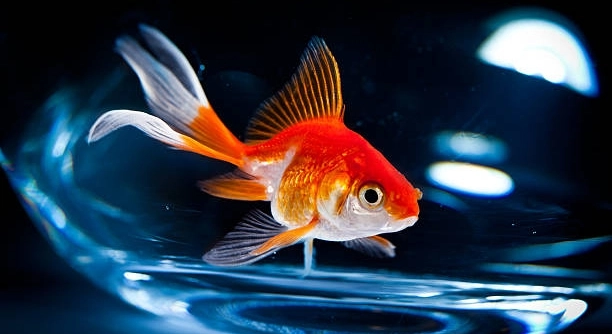
Goldfish are known for their calm nature, but when they start hiding, it can be concerning. Understanding why this behavior occurs is key to helping your fish feel comfortable and secure again.
Goldfish may hide due to several factors, including water quality, stress, or illness. Poor tank conditions or sudden changes in their environment can cause them to seek shelter. Ensuring a stable, clean habitat will help address these concerns.
Addressing the root causes of your goldfish’s hiding behavior will create a safer, more enjoyable environment for them.
Water Quality Problems
Water quality plays a major role in how your goldfish behaves. If your tank’s water is dirty or improperly balanced, it can cause your goldfish to seek hiding spots. Ammonia and nitrite levels are key factors to monitor, as these chemicals can build up if not filtered properly. Regular water changes, testing for harmful substances, and ensuring proper filtration can help maintain a healthy tank environment for your fish.
Water quality issues may cause your goldfish to feel stressed. By regularly testing the water and performing water changes, you can help them feel more comfortable. Keeping the water clean helps avoid unnecessary stress and discomfort for your goldfish.
Water changes should be done every week to keep ammonia and nitrites in check. Goldfish are sensitive to poor water quality, and these toxins can affect their health. You should also ensure the water temperature remains stable. A temperature that fluctuates too much can cause additional stress. A good rule of thumb is to change 25% of the water each week, adjusting for any chemical imbalance you find through testing. With proper water maintenance, your goldfish will be less likely to hide and more comfortable in its tank.
Stress from Tank Mates
Tank mates can contribute to stress in your goldfish. Aggressive or overly active fish may cause your goldfish to hide. If you notice any aggressive behavior, it might be time to separate or rearrange the tank.
Goldfish prefer calm environments, and other fish can easily disrupt this balance. When choosing tank mates, consider their temperament and compatibility with goldfish to avoid unwanted stress.
Illness and Health Issues
Goldfish may hide when they feel unwell. Symptoms such as unusual swimming patterns, discoloration, or loss of appetite can indicate health problems. It’s important to observe any changes in their behavior to identify potential issues early.
When goldfish are sick, they tend to seek out secluded spots to rest. Illness can weaken their immune system, making them more prone to stress. If you suspect your goldfish is ill, test the water quality and consider separating them from other fish to prevent the spread of any diseases. Consult a vet or experienced aquarist for a proper diagnosis and treatment.
Goldfish are susceptible to various health issues, including parasites, infections, and swim bladder disorders. It’s essential to recognize the signs early and act quickly. If your fish continues to hide despite water quality improvements, a health check-up may be needed. Regularly monitor your goldfish for any signs of illness and take action when necessary to ensure their well-being.
Environmental Factors
Environmental factors, like lighting and noise, can also affect your goldfish. Excessive noise or bright lighting may cause them to feel unsafe, leading to hiding behavior. Ensuring a calm, dimly lit environment can help reduce stress.
Goldfish are sensitive to their surroundings. Sudden loud noises, such as nearby traffic or household commotion, may cause them to feel threatened. Similarly, bright lights or shadows can make them retreat. To prevent this, place your goldfish tank in a quiet area away from distractions and harsh lighting. Creating a peaceful atmosphere is key for their comfort and health.
Tank Size
A tank that is too small for your goldfish can lead to stress and hiding. Goldfish need space to swim comfortably, and if their environment is cramped, they may retreat to corners or behind decorations. Ensure your tank is large enough to support their growth.
Goldfish should be kept in tanks with a minimum size of 20 gallons for one fish, with an additional 10 gallons for each additional goldfish. A larger tank allows for better water quality and reduces the likelihood of territorial behavior. This will provide a more peaceful and comfortable space for your fish.
Overfeeding
Overfeeding can also lead to hiding. If food isn’t consumed quickly enough, it may rot and pollute the tank, creating poor water quality. Goldfish may hide to avoid the unpleasant conditions caused by uneaten food.
Avoid overfeeding by giving your goldfish only what they can eat within a few minutes. If there is leftover food, remove it to prevent it from decomposing and affecting water quality. Overfeeding can quickly lead to a cycle of poor conditions that causes stress. Feeding them smaller amounts more frequently is an easy solution.
FAQ
Why is my goldfish hiding all of a sudden?
Goldfish may start hiding due to a variety of reasons. The most common causes are poor water quality, illness, stress from tank mates, or environmental factors like loud noises or bright lighting. Ensure that the water is clean and properly filtered, check the temperature, and monitor the behavior of other fish in the tank. If you suspect illness, observe your fish for any changes in color, swimming behavior, or appetite. A sudden change in behavior should be addressed quickly to avoid further stress or health problems.
How can I improve water quality for my goldfish?
To improve water quality, perform regular water changes, ideally 25-30% of the tank volume each week. Invest in a reliable filtration system to remove harmful toxins like ammonia and nitrites. Test the water regularly using water test kits to check levels of pH, ammonia, nitrite, and nitrate. Keep the temperature stable, ideally between 65-75°F (18-24°C), to ensure your goldfish thrives in a healthy environment. Avoid overfeeding and clean the tank thoroughly to maintain clear, toxin-free water. Consistent water quality is crucial for your goldfish’s health and comfort.
Can goldfish hide when they are stressed?
Yes, stress can cause goldfish to hide. Stressful conditions include poor water quality, aggressive tank mates, sudden temperature changes, or environmental factors like bright lights or loud noises. Goldfish are sensitive to these stressors, which can cause them to seek out hiding places in the tank. Make sure to create a peaceful environment by maintaining stable water conditions and ensuring that tank mates are compatible with your goldfish’s temperament. Minimizing stress will help your fish feel secure and reduce the likelihood of hiding behavior.
What should I do if my goldfish isn’t eating?
If your goldfish isn’t eating, first check the water quality. Poor water conditions can make fish lose their appetite. Ensure the water is clean, with proper levels of pH, ammonia, nitrites, and nitrates. If the water quality is fine, try offering different types of food to see if your goldfish prefers one over the other. Overfeeding can also be an issue, as leftover food can pollute the water. Ensure you’re feeding an appropriate amount. If the lack of appetite continues, it could indicate a health issue, and consulting a veterinarian is recommended.
Why does my goldfish hide behind plants or decorations?
Goldfish often hide behind plants or decorations when they feel stressed, unwell, or need a break from other tank mates. Goldfish are naturally shy creatures, and they seek hiding places when they feel insecure or need rest. Ensure your tank has plenty of hiding spots, but also ensure the overall environment is calm. Stress from aggressive fish or a noisy environment may cause your goldfish to retreat into these areas. Observing your fish and checking for any signs of illness or environmental stress can help you address the underlying cause.
How can I reduce aggression from other tank mates?
If your goldfish is hiding due to aggression from other tank mates, consider separating the aggressive fish from the rest of the group. Some species are more territorial and can stress out goldfish. Avoid keeping goldfish with highly active or territorial fish like cichlids or bettas. Additionally, ensure there’s enough space in the tank for each fish to have its own territory. If possible, rearrange the tank decorations to break up established territories. A peaceful environment, with appropriate tank mates, will help your goldfish feel more comfortable and less likely to hide.
How often should I clean my goldfish tank?
Cleaning your goldfish tank regularly is essential for maintaining a healthy environment. Perform partial water changes (about 25-30% of the tank’s volume) every week. Remove any leftover food after feeding, and clean the tank decorations and substrate to prevent waste build-up. Clean the filter every month or as needed to ensure proper filtration. Avoid deep cleaning the tank too frequently, as it can disrupt the beneficial bacteria that help maintain water quality. Regular maintenance will keep your goldfish’s habitat clean, improving its overall health and comfort.
Is my goldfish hiding because of the light?
Yes, goldfish may hide if they find the lighting too bright. Goldfish are sensitive to strong light, and constant exposure to harsh lighting can cause stress. To help your goldfish feel more secure, ensure that the tank is placed in a low-light area and use a light with adjustable settings. You can also consider providing hiding spots in the tank, such as plants or decorations, to give them a place to retreat. If you use a light in the tank, make sure to turn it off at night to mimic a natural day-night cycle.
Final Thoughts
Goldfish hiding can be a sign of various issues, from water quality problems to stress or illness. It’s essential to address the underlying causes to help your goldfish feel safe and comfortable in its environment. Regular maintenance, such as water changes, proper filtration, and monitoring tank conditions, can prevent many common problems that lead to hiding behavior. By providing a calm and stable environment, your goldfish will feel more secure and may stop hiding.
If your goldfish continues to hide despite improving the tank’s water quality and reducing stressors, it could be a sign of illness. Observing your fish’s behavior closely for any unusual symptoms, such as loss of appetite or changes in swimming patterns, is important. In these cases, it may be necessary to seek professional advice or consult a veterinarian experienced with fish. Quick action can help resolve health problems before they worsen.
By keeping the tank clean, monitoring water parameters, and ensuring that the fish have enough space and proper tank mates, you can create an environment that encourages healthy, happy goldfish. A well-maintained tank reduces the chances of hiding behavior and supports overall well-being. Regular care and attention are key to ensuring that your goldfish thrives and enjoys a peaceful and secure habitat.

Hello,
If you enjoy the content that we create, please consider saying a "Thank You!" by leaving a tip.
Every little bit helps us continue crafting quality advice that supports the health, happiness, and well-being of pets around the world, for pets of all shapes, sizes, and species.
We really appreciate the kindness and support that you show us!