
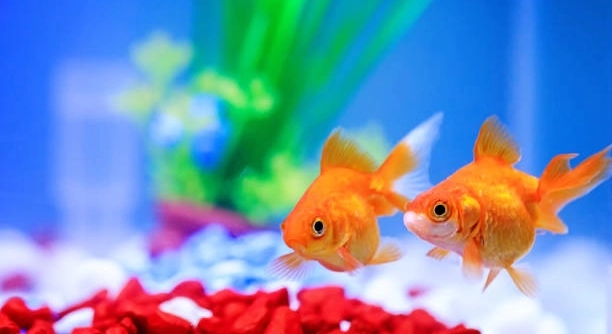
Goldfish are a popular and low-maintenance pet, but when they start turning black, it can be concerning. The change in color may be a sign of something wrong, or it could be a natural part of their life cycle.
Goldfish turning black can be due to several factors, including stress, poor water quality, or a natural color change. While some causes are harmless, others may require immediate attention to ensure your goldfish remains healthy.
Understanding the possible reasons for this color change will help you identify and resolve the issue. In the following sections, we will cover the main causes and solutions to help you take care of your fish.
Stress
Stress can cause your goldfish to undergo sudden changes, including turning black. Goldfish are sensitive creatures, and any sudden shift in their environment or routine can lead to stress. This might be caused by overcrowding in the tank, sudden temperature changes, or the presence of aggressive tankmates. These stressors can trigger a response in your fish’s pigmentation, leading them to develop dark spots or a full color change.
While it’s not always harmful, chronic stress can affect your goldfish’s health over time. If the stress is not addressed, it can weaken their immune system and make them more susceptible to diseases. It’s important to create a calm, stable environment to help prevent this. Ensure the tank is not overcrowded, and the temperature stays consistent.
Changing the tank’s setup or adding more hiding places can help reduce stress. When goldfish feel safe, their colors often return to normal, so providing a stress-free environment is key to keeping them healthy.
Poor Water Quality
Goldfish are very sensitive to water conditions. If the water quality is poor, it can affect their health, leading to changes in color. Poor filtration, high ammonia levels, or dirty water can cause a variety of issues for goldfish. They may develop black spots or even become entirely black as a reaction to these toxins.
Keeping your water clean and balanced is vital. Regular water changes and proper filtration will help prevent harmful substances from building up. Test the water regularly to ensure the levels of ammonia, nitrites, and nitrates are within safe limits. The tank should have a proper filtration system to keep the water clean and oxygenated, promoting a healthy environment for your goldfish. When the water is clear and safe, your fish will thrive and their color will return to normal.
Overfeeding
Overfeeding your goldfish can lead to poor health and color changes. If food is left uneaten in the tank, it can decompose and harm the water quality. Excess food can also cause your fish to become overweight, putting a strain on their health and causing stress.
It’s essential to only feed your goldfish what they can consume in 2-3 minutes. This helps avoid waste buildup and keeps the water clean. Adjust the feeding schedule according to the fish’s size and activity level. Be mindful of how much food is given and remove any uneaten food promptly to maintain a healthy tank environment.
Additionally, overfeeding can affect the fish’s internal systems. Over time, the stress from poor water quality and an unbalanced diet can lead to color changes. A balanced feeding routine is key to preventing such issues and ensuring your goldfish stays healthy and vibrant.
Age
As goldfish age, their color can naturally change. Younger goldfish are typically bright orange or gold, but as they grow older, they may develop darker hues. This change in color is often a sign of maturity. It’s a normal part of their life cycle.
If your goldfish turns black as it ages, it’s likely nothing to worry about. Older goldfish may also lose their bright colors due to slower metabolism or reduced pigment production. While the change might be noticeable, it doesn’t necessarily indicate a health problem. However, it’s important to keep an eye on their overall health.
You can still support your aging goldfish by maintaining a clean tank and providing a balanced diet. This will help them stay as healthy as possible, despite the natural color change. Age-related changes in goldfish are common and shouldn’t be a cause for concern.
Genetics
Sometimes, your goldfish may turn black simply due to genetics. Certain breeds, like the Black Moor or the Black Oranda, naturally have darker colors. Even if your goldfish wasn’t originally black, its genetic makeup could cause it to develop darker pigments as it matures.
If your fish has always had a slight color change or dark patches, genetics may be the reason. This is usually a harmless occurrence and part of your fish’s natural development. However, it’s still important to monitor the overall health of your fish, just in case the change is related to something else.
Infection
Infections can also lead to changes in your goldfish’s appearance, including turning black. Bacterial or fungal infections can cause the skin to darken, especially around the infected area. In some cases, this could be due to wounds or sores that get infected, leading to color changes.
If you suspect an infection, take action immediately. Isolate your fish and treat it with the appropriate medication for the infection type. Regular tank cleaning and maintaining good water quality can help prevent such infections. Monitoring your goldfish’s health regularly will help you catch issues before they worsen.
Environmental Changes
Sudden environmental changes, such as a shift in water temperature or pH, can cause goldfish to turn black. These changes stress your fish and trigger color changes as part of their defense response. Temperature fluctuations, in particular, can be very damaging to goldfish.
To avoid such issues, keep your tank’s temperature steady and make gradual changes if you need to adjust the environment. Invest in a reliable thermometer and water testing kits to monitor pH levels and ensure they stay within a safe range. Stability is key for your fish’s health.
FAQ
Why did my goldfish turn black all of a sudden?
Sudden color changes can happen due to a few reasons. Stress, poor water quality, and sudden environmental shifts can all cause goldfish to turn black. It’s essential to check the water conditions and look for any possible stressors, such as overcrowding, temperature changes, or aggression from other fish. Also, check if your fish is overfed, as leftover food can also cause poor water quality, triggering the change.
Can a goldfish recover from turning black?
Yes, in many cases, goldfish can recover from turning black. If the cause is related to stress or poor water quality, improving the tank conditions can help your fish regain its normal color. However, if the change is due to age or genetics, the color shift may be permanent. Monitor your goldfish’s health and environment to ensure they are comfortable and healthy.
How do I improve water quality for my goldfish?
To improve water quality, start by performing regular water changes. Aim for at least 25% of the tank water to be replaced weekly. Use a good filtration system that keeps the water clean and oxygenated. Also, test the water regularly for ammonia, nitrites, and nitrates, and adjust the pH if necessary. Remove uneaten food promptly, and avoid overfeeding your goldfish.
Can I prevent my goldfish from turning black?
While some causes of a goldfish turning black are unavoidable, you can reduce the likelihood by maintaining a stable tank environment. Avoid stress by not overcrowding the tank and keeping it at the proper temperature. Regularly monitor water quality, ensure your fish is not overfed, and prevent abrupt changes in their habitat.
Is it safe to keep a goldfish with black spots?
Black spots are often harmless, especially if they appear gradually or in areas like fins or scales. However, if the spots are growing rapidly or are accompanied by other symptoms such as loss of appetite, unusual swimming behavior, or a decrease in activity, it could be a sign of an infection. In that case, it’s best to treat your fish as soon as possible.
Can black spots indicate a disease?
Yes, in some cases, black spots may be a sign of a fungal or bacterial infection. It’s important to monitor the spots and your fish’s behavior. If the spots seem to spread or worsen, or if your goldfish is showing signs of illness (like a loss of appetite or erratic movement), consult with a veterinarian or treat the tank with appropriate medication for infections.
Does the water temperature affect the color of my goldfish?
Yes, water temperature can impact the color of your goldfish. If the temperature fluctuates too much or is consistently too high or low, it can cause stress and lead to color changes, including turning black. Goldfish thrive in stable water temperatures, usually between 65°F and 75°F. Maintaining a consistent environment is crucial to avoid these issues.
What should I do if my goldfish is turning black after an infection?
If your goldfish turns black after an infection, the dark coloration is likely a sign of healing. The skin may darken as part of the recovery process. Continue to monitor the fish’s health, and keep the water clean and free from pathogens. Depending on the type of infection, it might be necessary to treat the tank with medication, such as antibiotics or antifungal treatments, to prevent further issues.
Could overfeeding cause my goldfish to turn black?
Yes, overfeeding can contribute to poor water quality, which can, in turn, cause color changes like turning black. When too much food is left uneaten, it decomposes and leads to a build-up of toxins, such as ammonia, which can harm your goldfish. Overfeeding also stresses the fish, which can trigger a color change. Feed your goldfish only what they can consume in a few minutes and remove any excess food from the tank.
Why does my goldfish turn black as it gets older?
As goldfish age, their metabolism slows down, which can cause changes in color. This is especially true for certain breeds, where their vibrant orange or gold color fades to darker shades like black. This change is a natural part of their life cycle and is not typically a cause for concern. However, it’s essential to keep their tank clean and provide them with a balanced diet to help maintain their overall health.
Can genetics cause a goldfish to turn black?
Yes, some goldfish are genetically predisposed to turn black or have black spots. For example, breeds like the Black Moor are known for their dark coloring. In some cases, goldfish may develop black pigmentation as they age due to genetic factors, even if they started as orange or gold. This is normal and usually doesn’t indicate a health problem. However, keep an eye on your fish’s behavior and overall well-being.
How can I tell if my goldfish is stressed?
Stress in goldfish can show up as unusual swimming patterns, hiding more than usual, or a lack of appetite. They may also display signs like rapid gill movement, faded colors, or clamped fins. Identifying and removing stress factors, like poor water conditions or overcrowding, can help reduce these symptoms.
Is a black goldfish always a sign of illness?
No, a black goldfish is not always a sign of illness. It could be due to stress, aging, or genetics. However, if your fish is acting differently, losing its appetite, or showing other signs of illness, it’s important to investigate further. Check the water quality, and if the blackness seems to be spreading or accompanied by other symptoms, consider seeking veterinary advice.
Can poor water quality cause long-term damage to my goldfish?
Yes, poor water quality can lead to long-term damage to your goldfish. Prolonged exposure to harmful substances like ammonia, nitrites, and nitrates can weaken your fish’s immune system, cause stress, and lead to infections. Over time, this can cause color changes, and in extreme cases, even death. Regular water changes and proper filtration are crucial to maintaining a healthy environment.
Final Thoughts
It’s important to remember that a goldfish turning black isn’t always a sign of a serious issue. While it can be caused by stress, poor water quality, or natural aging, in many cases, it’s simply a normal part of their development. Goldfish are sensitive creatures, and their color can change for several reasons, some of which are beyond your control. If the color change is gradual and doesn’t seem to affect their overall health, it’s likely nothing to worry about.
However, if the blackness appears suddenly or is accompanied by other signs of illness, such as changes in behavior, loss of appetite, or unusual swimming patterns, it’s a good idea to investigate further. Poor water conditions are often the underlying cause of many goldfish health problems, so ensuring that the tank is properly maintained is key. Regular water changes, monitoring the temperature, and keeping an eye on any potential stressors in the tank can go a long way in keeping your goldfish healthy and happy.
In some cases, the black coloration may be related to a specific disease or infection. If this is the case, prompt treatment is important to prevent the condition from worsening. Always monitor your goldfish’s condition closely, and if you’re unsure about the cause of the color change, it’s a good idea to consult a veterinarian or an aquatic expert. By understanding the potential causes and how to address them, you can help your goldfish stay healthy and ensure they lead a long, happy life in their tank.

Hello,
If you enjoy the content that we create, please consider saying a "Thank You!" by leaving a tip.
Every little bit helps us continue crafting quality advice that supports the health, happiness, and well-being of pets around the world, for pets of all shapes, sizes, and species.
We really appreciate the kindness and support that you show us!