
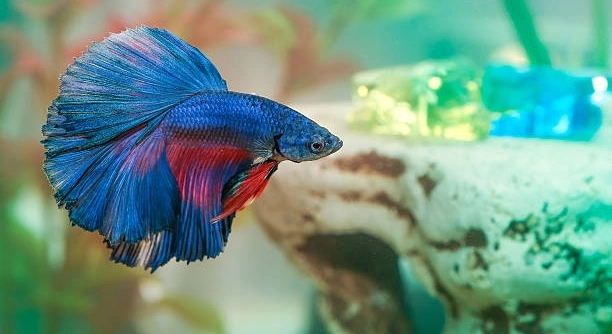
Betta fish are beautiful, vibrant creatures that make wonderful pets. However, many people still have misconceptions about how to care for them properly. This article will help clear up some of the most common myths surrounding Betta fish care.
There are several myths about Betta fish care, but many of them are simply not true. By understanding their real needs, such as water temperature, tank size, and diet, you can ensure your Betta fish thrives in its environment.
Proper care can make a huge difference in the health and happiness of your Betta. Let’s clear up some of the myths and misconceptions so you can provide the best care for your pet.
Myth 1: Betta Fish Can Live in Small Bowls
Many people think that Betta fish only need a small bowl to live in. While it’s true that these fish don’t need a large aquarium, they do need more space than a tiny bowl. A small tank can stress them out, and without enough room, they can’t swim freely or stay healthy.
A Betta fish needs a tank that holds at least 5 gallons of water. It’s essential for their physical and mental health. Smaller spaces can lead to poor water quality and cause your Betta to feel trapped, which may result in health issues over time.
A 5-gallon tank or larger provides enough space for your Betta to explore, swim, and thrive. It also allows you to maintain cleaner water, which is crucial for their well-being. By providing more space, you’ll help your Betta fish stay active, reduce stress, and encourage natural behaviors. Plus, a well-maintained tank is easier to clean and keep healthy. A bigger tank with proper filtration makes caring for your Betta much simpler, and your fish will thank you for it with vibrant colors and increased energy.
Myth 2: Betta Fish Can Live with Any Other Fish
Betta fish are often sold as “community fish,” but that’s not true for every situation. Male Betta fish, in particular, are territorial and aggressive. They should not be housed with other males or fish that look similar to them.
While female Betta fish can sometimes be kept with others, it’s essential to choose tank mates carefully. Avoid fish that are brightly colored, have flowing fins, or are overly active. The best tank mates are calm fish that don’t compete for attention or space.
When selecting other fish to live with your Betta, consider peaceful species like Corydoras catfish or neon tetras. These fish won’t threaten your Betta or cause stress. It’s important to provide plenty of hiding spots and space in the tank to reduce conflict. If you notice any signs of aggression, separate the Betta from other fish to keep everyone safe and healthy. Proper tank setup and good tank mates can help create a more harmonious environment for all the fish involved.
Myth 3: Betta Fish Don’t Need a Heater
Betta fish come from warm, tropical waters, which means they need warm water to thrive. Many people mistakenly believe that they can live without a heater, especially if the room temperature seems fine. However, Betta fish need a consistent water temperature between 76-80°F to stay healthy.
Without a heater, the water temperature can fluctuate too much, which puts stress on your Betta. Temperature changes can weaken their immune system, making them more susceptible to illness. A good aquarium heater will ensure the water stays within the right temperature range, reducing stress and promoting better health.
Adding a heater to your Betta’s tank doesn’t just make it warmer; it helps keep the temperature stable. Sudden changes in temperature can be dangerous, leading to illness or even death. Investing in a reliable aquarium heater and thermometer ensures your Betta stays in a comfortable environment. Your fish will thank you with vibrant colors and more energy.
Myth 4: Betta Fish Don’t Need Filtered Water
Some believe that Betta fish can survive in water without a filter, but that’s far from the truth. Like all fish, Bettas need clean, filtered water to stay healthy. The presence of ammonia and waste buildup can lead to poor water quality, which harms your Betta.
A filter helps keep the water clean by removing toxins and waste. It also ensures that oxygen levels stay high, which is important for your Betta’s overall well-being. Without filtration, the water will quickly become polluted, leading to stress and potential diseases.
While Bettas are known to tolerate lower water flow, it’s still essential to have a filter that works for them. Consider a gentle filter to avoid strong currents that could stress your Betta out. Keeping the water clean with a proper filter reduces the need for frequent water changes and improves your Betta’s overall health. It’s a small investment for better care and happier, healthier fish.
Myth 5: Betta Fish Only Eat Betta Pellets
Many people think that Betta fish should only eat Betta-specific pellets. While these pellets are a good source of nutrition, they shouldn’t be the only part of your Betta’s diet. Variety is key to their health.
Betta fish can enjoy a range of food options, including frozen or live food like brine shrimp, bloodworms, and daphnia. These foods provide essential proteins and nutrients that pellets alone can’t offer. Feeding them a mix of foods will keep them active, healthy, and energized. Just remember to feed in moderation to avoid overfeeding.
Myth 6: Betta Fish Can Live a Long Time Without Attention
Betta fish might seem low-maintenance, but they still need regular care and attention. They require feeding, water changes, and a clean tank to stay healthy. Without proper care, their health will quickly decline.
A neglected Betta can suffer from poor water quality, stress, and malnutrition. These issues can lead to a shorter lifespan and a much less vibrant fish. Regularly monitoring their environment and offering proper food and care can ensure a long, happy life for your Betta.
Myth 7: Betta Fish Are Low-Maintenance Pets
Betta fish are often sold as low-maintenance pets, but they still require proper care. Beyond feeding, you need to monitor their tank conditions, water temperature, and cleanliness. While they don’t need constant attention, they shouldn’t be neglected.
FAQ
How often should I feed my Betta fish?
Betta fish should be fed once or twice a day, with portions that they can finish in about 2-3 minutes. Overfeeding can cause health problems, so it’s important not to give them too much food at once. If you feed them twice a day, make sure to adjust the portion size accordingly to avoid leftover food. Betta fish can also benefit from fasting once a week, which helps prevent digestive issues and allows their body to process the food they’ve eaten.
Can I keep my Betta fish in a tank with a lid?
Yes, it’s a good idea to keep a Betta fish in a tank with a lid. Bettas are curious fish, and sometimes they may jump out of the tank if they feel threatened or stressed. Having a lid will prevent them from escaping, keeping them safe and secure. However, it’s essential to ensure that there is adequate airflow and oxygen in the tank, especially if the lid is fully sealed.
Do Betta fish need a lot of light?
Betta fish don’t need too much light, but they do benefit from a regular day-night cycle. A light cycle of 10-12 hours of light and 12-14 hours of darkness is ideal. This will help regulate their circadian rhythm and encourage natural behaviors. Avoid leaving the light on all the time as it can stress your Betta out and disrupt their sleep patterns.
Can Betta fish live with other fish?
While male Betta fish should not be kept with other males, they can live with other peaceful fish under the right conditions. Female Bettas may sometimes tolerate other species, but it’s essential to pick non-aggressive tank mates. Avoid species with long fins or bright colors that may provoke your Betta’s territorial instincts. A well-planned tank setup with plenty of hiding spots and space can reduce the risk of aggression.
How do I clean my Betta fish tank?
To clean your Betta fish tank, start by removing any uneaten food and debris from the bottom. Then, use a gravel vacuum to remove waste and keep the substrate clean. You should change 25-30% of the water weekly, depending on tank size and filtration. If you have a filter, clean the filter media as recommended by the manufacturer to maintain proper water flow. Avoid fully cleaning the tank all at once, as this can disrupt the beneficial bacteria that help maintain a healthy environment.
What is the best tank size for a Betta fish?
The minimum recommended tank size for a Betta fish is 5 gallons. A larger tank gives them more space to swim, explore, and stay active. Smaller tanks can cause water quality to degrade quickly, leading to stress and health issues. A bigger tank also allows for better filtration and more stable water conditions, which are essential for your Betta’s health.
Why is my Betta fish not eating?
If your Betta fish isn’t eating, there could be several reasons. Stress, poor water quality, and temperature fluctuations can cause a Betta to lose its appetite. If the water is too cold, your Betta may not be active enough to eat. Check the water temperature and ensure it’s within the ideal range (76-80°F). Also, consider the type of food you’re offering; some Bettas can be picky eaters, so try offering different food types. If the issue persists, it may be a sign of an underlying health problem, and you should consult a veterinarian.
How can I tell if my Betta fish is stressed?
Signs of stress in Betta fish include a lack of appetite, erratic swimming, fin clamping, and darkening of their color. Stress can be caused by poor water quality, unsuitable tank mates, or inappropriate tank conditions, such as high temperatures or lack of hiding spots. If you notice any of these signs, check the water conditions and make sure the tank is set up correctly. Removing potential stressors and providing a comfortable, stable environment will help your Betta feel more secure.
Why is my Betta fish’s color fading?
If your Betta’s color is fading, it could be a sign of stress or poor health. Common causes include poor water quality, temperature fluctuations, or insufficient nutrition. If your Betta is stressed, their vibrant colors may dull as a response. Ensure that the tank water is clean, the temperature is stable, and your Betta is being fed properly. If the fading continues, check for other signs of illness or consult a vet.
Can I train my Betta fish?
Yes, Betta fish are intelligent and can be trained to perform simple tasks, such as swimming through hoops or following your finger. Training usually involves rewarding them with food or attention when they complete a desired behavior. Start with short training sessions and be patient. It can be a fun way to engage with your Betta while providing mental stimulation.
Is it necessary to use a water conditioner for my Betta tank?
Yes, using a water conditioner is important if you’re using tap water for your Betta tank. Tap water often contains chlorine or chloramine, which can be harmful to your Betta. A water conditioner will neutralize these chemicals, making the water safe for your fish. Always check the label to ensure the conditioner is safe for Betta fish before adding it to your tank.
Final Thoughts
Caring for a Betta fish is rewarding but requires attention to detail. While they are often seen as low-maintenance pets, Betta fish still need proper care to stay healthy and happy. By understanding their basic needs—such as water quality, tank size, and diet—you can provide a better environment for your Betta. It’s important to remember that they are living creatures with specific requirements that should be met to keep them thriving.
One of the most crucial aspects of Betta care is maintaining a stable environment. Betta fish are sensitive to temperature changes and poor water quality, so using a heater and filter is essential. Even though they are often sold in small tanks or bowls, Betta fish benefit from larger spaces where they can swim freely. A tank with at least 5 gallons of water, proper filtration, and regular water changes will create a much healthier environment for your Betta. By providing them with the right setup, you’re setting them up for a longer and happier life.
Lastly, feeding your Betta a balanced diet and offering them different types of food will help them stay active and healthy. While Betta-specific pellets are a good option, supplementing their diet with live or frozen food will provide extra nutrients and variety. It’s also important to avoid overfeeding and make sure that their food is consumed in a timely manner. By taking the time to meet your Betta’s needs, you’re ensuring that they’ll continue to brighten up your space with their vibrant colors and active behavior. Proper care may take some effort, but the results are worth it in the long run.

Hello,
If you enjoy the content that we create, please consider saying a "Thank You!" by leaving a tip.
Every little bit helps us continue crafting quality advice that supports the health, happiness, and well-being of pets around the world, for pets of all shapes, sizes, and species.
We really appreciate the kindness and support that you show us!