
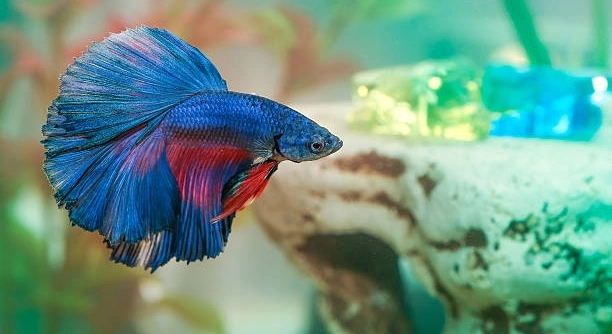
The health of your betta fish is closely tied to the quality of the water they live in. Maintaining the right conditions is essential for their overall well-being. Water quality plays a vital role in preventing stress and disease.
The quality of water directly affects the health and behavior of betta fish. Proper filtration, regular water changes, and monitoring for toxins ensure a healthy environment, preventing stress and illnesses, which are common in poor water conditions.
By understanding water quality’s impact on your betta, you can prevent health issues and provide a long, happy life.
The Impact of Water Temperature on Betta Fish Health
Water temperature plays a significant role in the health of your betta fish. Betta fish are tropical species and thrive in warm waters, ideally between 76°F and 82°F. If the water is too cold or too hot, it can stress your betta and make it more susceptible to diseases. A sudden change in temperature can also shock your fish, leading to health problems like fin rot or a weakened immune system. Therefore, it’s important to keep the temperature consistent and avoid extreme fluctuations. A reliable aquarium heater can help maintain the ideal temperature range and keep your betta comfortable.
To monitor the temperature, invest in a good thermometer. Betta fish are sensitive to temperature changes, and you will need to check it regularly. If you notice any drastic changes, it may be time to adjust the heater or remove the fish from the tank temporarily.
A stable water temperature promotes better digestion, enhances activity, and ensures your betta’s colors remain vibrant. Keeping this in check ensures your fish stays healthy and stress-free, leading to a longer and happier life.
The Role of pH Levels
The pH level of your betta’s water can significantly influence their well-being. Aim for a pH between 6.5 and 7.5 to keep them comfortable. Betta fish are sensitive to drastic changes in pH.
If the pH level fluctuates too much, it can lead to stress and health problems. It’s essential to use water conditioners or pH-adjusting products when necessary. Consistent pH levels ensure your betta stays healthy and active.
The Importance of Filtration
A good filtration system is crucial to maintain a clean environment for your betta. It helps remove waste, excess food, and toxins that accumulate in the tank. Without proper filtration, harmful substances build up, leading to poor water quality and potential health problems for your betta.
While bettas don’t require strong currents, it’s important to use a filter that offers gentle filtration. A filter with adjustable flow ensures your betta isn’t stressed by the water movement. Regular cleaning of the filter and tank prevents any harmful buildup that could compromise your fish’s health. Always ensure the filter is the right size for your tank to ensure maximum effectiveness.
Proper filtration helps keep your betta’s environment stable, reducing the risk of disease. Regular water changes and filter maintenance go hand in hand with a well-maintained filtration system, offering a safe, healthy environment for your fish. Investing in a good filter is an essential part of betta care.
The Role of Ammonia and Nitrites
Ammonia and nitrites are harmful substances that can quickly build up in your betta’s tank. These compounds come from fish waste, leftover food, and decaying plants. Even small amounts can be toxic to your betta.
Testing the water regularly for ammonia and nitrite levels is important to prevent poisoning. Ammonia should ideally be at zero, while nitrites should also be undetectable. If levels rise, perform water changes to lower them. It’s also wise to keep a well-established biological filter, which can break down harmful substances naturally. Avoid overfeeding, as it leads to higher ammonia levels.
Elevated ammonia or nitrite levels will weaken your betta’s immune system, making it more vulnerable to diseases. To ensure a healthy environment, maintaining proper filtration and testing the water regularly is key. Keeping ammonia and nitrites in check is crucial for long-term betta health.
The Importance of Regular Water Changes
Regular water changes are essential for maintaining a healthy environment for your betta. Removing old water and replacing it with fresh water helps reduce the buildup of waste and harmful chemicals. A weekly water change is recommended to keep the tank clean and safe.
Water changes prevent the accumulation of toxic substances like ammonia and nitrates, which can harm your betta. During a water change, be sure to clean the substrate and decorations to remove any debris. This practice also ensures the water remains at the proper temperature and pH levels, contributing to your fish’s health.
Consistency in water changes helps your betta thrive by providing a stable and clean living space. It’s an easy yet vital aspect of betta care that reduces stress and keeps your fish comfortable and active.
The Impact of Overfeeding
Overfeeding is a common issue that can lead to poor water quality in your betta’s tank. Leftover food decomposes and adds harmful toxins to the water, stressing your betta. It can also cause digestive issues, leading to health problems.
Feeding your betta once or twice a day is sufficient. Offer only the amount of food your fish can consume within two minutes. If any food remains uneaten, remove it to prevent contamination. It’s better to underfeed than overfeed, as bettas are small and do not require large meals.
Keeping Tankmates in Mind
If your betta has tankmates, their compatibility matters. Some fish species can stress or even harm a betta, so choosing tankmates wisely is essential. Avoid species with long fins or aggressive behavior.
FAQ
How often should I change my betta fish’s water?
You should perform a water change in your betta’s tank at least once a week. If you have a smaller tank or no filter, it might be necessary to do partial water changes more often, such as twice a week. A 25-50% water change is ideal. Regular water changes help keep the tank clean and reduce harmful substances like ammonia and nitrates. During each water change, also clean the tank’s decorations and substrate to remove any debris. This will prevent the buildup of waste and keep your betta healthy.
What temperature should the water be for a betta fish?
Betta fish thrive in warm water between 76°F and 82°F. If the water is too cold, it can stress your betta and make it more susceptible to diseases. Water that is too warm can also be harmful, causing overheating and discomfort. A reliable aquarium heater is essential to maintain a stable temperature, and you should use a thermometer to monitor the water regularly. Avoid sudden changes in temperature, as this can shock your betta. Consistency is key to ensuring your betta’s health.
Can I keep more than one betta in the same tank?
Male bettas should never be kept together in the same tank. They are territorial and can fight until one is injured or killed. However, female bettas can sometimes be kept in groups, known as a sorority, if the tank is large enough and has plenty of hiding spaces. When keeping multiple bettas, make sure the tank is spacious, with plenty of decorations and plants for each fish to claim their own territory. If you are unsure about housing multiple bettas, it’s best to keep them in separate tanks to avoid aggression.
What do betta fish eat?
Betta fish are carnivores and thrive on a diet of high-quality betta pellets, freeze-dried or frozen foods like brine shrimp, bloodworms, and daphnia. You can also feed them live foods, but it’s important to ensure these are safe and free from parasites. Feed your betta small amounts once or twice a day. Only provide as much food as they can consume in two minutes to avoid overfeeding, which can lead to water pollution and health problems. Make sure to remove any uneaten food after each feeding.
How can I tell if my betta is sick?
Signs of illness in betta fish include a lack of activity, loss of color, faded or clamped fins, swimming erratically, or staying at the bottom or surface of the tank. You may also notice abnormal growths, lesions, or sores on their body or fins. If your betta is not eating or has a bloated stomach, it could indicate digestive issues or an internal parasite. Changes in behavior, such as scratching against objects or rubbing its body against the substrate, may also be a sign of illness. In such cases, isolate your betta in a quarantine tank and consult a vet for treatment.
What size tank is best for a betta fish?
A 5-gallon tank is the minimum recommended size for a single betta fish. While bettas can survive in smaller tanks, larger tanks provide more space for swimming, help maintain better water quality, and reduce stress. In a larger tank, you can add plants and decorations for enrichment, giving your betta places to hide and explore. A filter and a heater are essential for maintaining water quality and temperature in any tank. Avoid keeping bettas in bowls, as they lack the necessary filtration and space for the fish to thrive.
Can I use tap water for my betta’s tank?
Yes, you can use tap water for your betta’s tank, but it needs to be treated first. Tap water often contains chlorine and chloramine, which are harmful to fish. Use a water conditioner to remove these chemicals before adding the water to the tank. Additionally, test the water’s pH, ammonia, nitrite, and nitrate levels to ensure they fall within safe ranges. If your tap water is too hard or soft for a betta, you may need to adjust it using appropriate products. Always ensure the water is at the correct temperature before introducing your betta.
What type of filter should I use for a betta tank?
Betta fish do not require strong filtration, as they are not strong swimmers. A filter with an adjustable flow is best to avoid creating too strong of a current. Sponge filters are often a good choice because they provide gentle filtration and oxygenate the water without disturbing the betta too much. Ensure the filter is sized appropriately for the tank, as an oversized filter can create an uncomfortable current for your betta. Regularly clean the filter to maintain its efficiency, but avoid disrupting beneficial bacteria that help keep the water healthy.
How long do betta fish live?
On average, betta fish live for about 3 to 5 years, although some can live longer with proper care. Factors that influence a betta’s lifespan include water quality, temperature, diet, and stress levels. Providing a clean tank, maintaining stable water conditions, and feeding a balanced diet can help extend your betta’s life. Avoid overcrowding the tank or keeping your betta with incompatible tankmates, as these can cause stress and shorten its lifespan. Regular health checks and maintaining good water quality are crucial for ensuring a long and healthy life for your betta.
What are the best tankmates for bettas?
When choosing tankmates for your betta, it’s important to select peaceful fish that won’t provoke aggression. Good tankmates include species like Corydoras catfish, neon tetras, or snails. Avoid fish with long fins, as bettas may mistake them for rivals and become aggressive. Always ensure there’s enough space in the tank and hiding spots for each fish. Bettas are territorial, so tankmates should be selected carefully to avoid stress or fighting. If you’re unsure about a specific species, it’s best to keep your betta in a tank by itself to ensure its comfort.
Final Thoughts
Caring for a betta fish requires understanding their needs and providing a suitable environment. Water quality is one of the most important factors in keeping your betta healthy. Regular water changes, along with monitoring temperature and pH levels, help maintain a clean and safe tank. A stable environment reduces stress and prevents the buildup of harmful toxins that can harm your fish. Taking the time to check water conditions frequently will go a long way in supporting your betta’s health.
Feeding your betta the right amount of food is also essential. Overfeeding can lead to water contamination and health issues for your fish. Bettas thrive on a balanced diet, which includes quality betta pellets, frozen or freeze-dried foods like brine shrimp and bloodworms. It’s important to remember that bettas are small fish with small stomachs, so feeding them only what they can consume within a couple of minutes ensures they stay healthy and the tank remains clean. Always remove uneaten food promptly to avoid water quality problems.
Overall, providing the right tank size, compatible tankmates, and a consistent routine for water care and feeding will help your betta fish live a long, healthy life. Betta fish are hardy creatures but still require proper attention to thrive. With these simple steps, your betta will enjoy a stress-free environment where it can swim comfortably and stay active. By meeting their basic needs, you’re ensuring your betta’s happiness and longevity.

Hello,
If you enjoy the content that we create, please consider saying a "Thank You!" by leaving a tip.
Every little bit helps us continue crafting quality advice that supports the health, happiness, and well-being of pets around the world, for pets of all shapes, sizes, and species.
We really appreciate the kindness and support that you show us!