
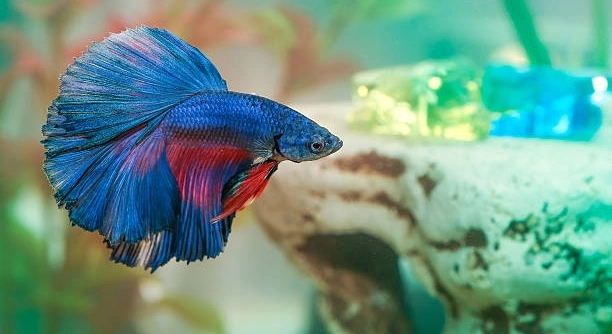
External parasites can be a common issue for betta fish, affecting their health and behavior. These tiny invaders can cause discomfort, stress, and even long-term damage if not addressed quickly. Knowing how to treat them is essential.
The most effective way to treat external parasites in betta fish is by using medicated baths or treatments specifically designed for fish. Isolating the infected fish and following the treatment instructions will help prevent further spread and improve their health.
There are different methods to treat parasites, depending on the type affecting your betta. Understanding the signs and knowing the right treatments will ensure your betta’s recovery and well-being.
Recognizing External Parasites in Betta Fish
External parasites are easy to overlook until symptoms become noticeable. Betta fish may show signs of scratching against objects, changes in color, or unusual behavior like lethargy. Infected bettas may also develop visible spots or lesions on their skin. The most common parasites affecting bettas include ich, velvet, and external protozoans. Ich is often characterized by small white spots, while velvet gives the fish a goldish sheen.
If you notice these symptoms, it’s important to act quickly. The sooner you identify the issue, the more effectively you can treat the fish. Ignoring the problem can lead to further stress and damage.
External parasites can spread rapidly in tanks with multiple fish, so isolation is key. Keeping your betta in a separate, clean tank for treatment will help minimize the chances of other fish getting infected.
Treatment Options for External Parasites
Medicated baths are one of the most efficient ways to treat external parasites.
When treating external parasites, it’s essential to choose the right medication for the specific type of parasite. For instance, copper-based treatments are effective against velvet, while formalin or malachite green can treat ich. Always follow the instructions carefully, as overdosing can harm your betta. In addition to medication, raising the water temperature to around 80°F can speed up the parasite’s life cycle, allowing the medication to work faster.
A separate quarantine tank can make the treatment process much easier, as it keeps your infected fish away from healthy ones. Clean the quarantine tank frequently and maintain optimal water conditions to help your betta recover. Consider using a filter to ensure water quality and minimize stress on your fish.
Isolating Your Betta for Treatment
Isolating your betta is crucial for effective treatment. A separate tank ensures no other fish get infected while your betta heals. It also reduces stress by keeping the environment quiet and controlled.
A quarantine tank should be set up with similar water conditions as the main tank to avoid additional stress. It should also be properly filtered and maintained at a stable temperature, ideally between 76°F and 80°F. Keep in mind that the quarantine tank doesn’t need decorations; simple equipment like a heater, filter, and air stone will suffice.
While in isolation, it’s essential to keep the quarantine tank clean. Regularly change the water, monitor temperature levels, and test for ammonia or nitrites. Avoid using any medications in the main tank to prevent harming healthy fish.
Water Quality and Temperature Adjustments
Maintaining good water quality is vital when treating external parasites.
The water should be clear of ammonia, nitrites, and nitrates. Poor water quality can weaken your betta’s immune system, making it harder for them to fight off the parasites. Use a reliable water testing kit to ensure the parameters are in the safe range. Regular water changes, at least 20% per week, will help keep your betta comfortable.
Temperature control plays an important role in parasite treatment. Increasing the water temperature slightly can accelerate the life cycle of many external parasites, allowing medications to work more effectively. However, avoid drastic temperature changes, as this can stress your fish. Keep the temperature steady and consistent to support the healing process.
Choosing the Right Medication
Select a medication designed specifically for the type of parasite your betta is dealing with. Always read the instructions carefully before use.
Medications can range from copper-based treatments to formalin or malachite green, depending on the parasite. Make sure the medication you choose is safe for your betta. Using the wrong treatment can cause more harm than good.
Monitoring Your Betta’s Recovery
Keep a close eye on your betta’s condition throughout the treatment process.
Watch for improvements, such as reduced scratching or the disappearance of visible spots. If the parasite is still present after the treatment period, consult a veterinarian or try a different medication. Regular water changes during recovery will also help speed up the healing process.
FAQ
What are the most common external parasites that affect betta fish?
The most common external parasites that affect betta fish are ich, velvet, and external protozoans. Ich causes white spots to appear on the fish’s body, while velvet gives a goldish or yellow sheen. These parasites can quickly spread, leading to stress, skin damage, and even death if untreated. Velvet is often more difficult to treat because it can be harder to notice initially, while ich is easier to spot because of the white spots.
How do I know if my betta has parasites?
Signs of parasites include scratching against objects, loss of color, abnormal swimming behavior, or visible spots or lesions on the skin. Your betta may also become lethargic, refuse to eat, or exhibit rapid gill movement. These symptoms indicate that your fish is stressed and infected. If you notice any of these signs, it’s important to start treatment right away.
Can parasites spread to other fish in the tank?
Yes, parasites can spread to other fish if not addressed quickly. They often spread through contaminated water or direct contact between infected and healthy fish. If you notice one fish with symptoms, isolate it immediately to prevent the spread of parasites. Treat the entire tank if multiple fish are affected.
How long does it take to treat external parasites in bettas?
Treatment duration varies depending on the type of parasite and the medication used. Typically, treatment can take anywhere from 5 to 14 days. You should follow the instructions on the medication label and continue treatment for the full recommended time to ensure that the parasite is fully eradicated.
Should I raise the water temperature when treating parasites?
Yes, raising the water temperature can help speed up the parasite’s life cycle, allowing the medication to work more effectively. However, be cautious not to raise the temperature too high, as this can stress your betta. A range of 76°F to 80°F is ideal for most treatments.
Can I use aquarium salt to treat parasites in my betta?
Aquarium salt can be effective for certain types of parasites, like ich. It helps to remove mucus from the fish’s skin, making it easier for medications to penetrate. However, salt should be used cautiously, as it may harm other tank inhabitants like invertebrates. Always follow the recommended dosage.
Is it necessary to remove the filter while treating for parasites?
It’s generally recommended to remove the filter during parasite treatments, especially when using medications that may interfere with the filter’s effectiveness. Some treatments can harm the filter media, while others may be removed by the filtration process. Remove the filter and perform frequent water changes instead.
Can I treat parasites in my betta without medication?
While some natural remedies like increased temperature and salt baths may help manage mild infestations, they may not be enough for severe parasite problems. Medications are often necessary for effective treatment, especially for tough parasites like velvet or ich.
How often should I do water changes during parasite treatment?
During parasite treatment, frequent water changes (about 25% to 30% every 2-3 days) are essential to maintain water quality and remove dead parasites. Make sure the water is treated with a dechlorinator before adding it back into the tank. Clean the quarantine tank regularly to avoid reinfection.
Can I add plants or decorations back into the tank during treatment?
It’s best to keep the tank simple during parasite treatment. Avoid adding plants or decorations until the treatment is complete. These items can trap parasites or medication, prolonging the treatment process. Keep the tank as clean and minimal as possible to allow for effective treatment.
Should I feed my betta during treatment?
It’s important to continue feeding your betta during treatment, but be cautious not to overfeed. Offer small amounts of food, such as high-quality pellets or frozen foods, to avoid water pollution. Betta fish may have a reduced appetite when sick, so monitor their eating habits and adjust accordingly.
Can external parasites come back after treatment?
Yes, external parasites can reappear if the initial treatment didn’t completely eliminate them or if the environment isn’t kept clean. Ensure your tank is properly disinfected and that all fish are treated before reintroducing them. Isolate infected fish and monitor them regularly to prevent reinfection.
Are external parasites harmful to betta fish?
External parasites are harmful to betta fish if left untreated. They can cause skin damage, weakening the immune system, and leading to more severe health issues. In severe cases, parasites can result in death. Quick treatment is vital to prevent long-term damage and promote recovery.
Can I prevent parasites in my betta fish?
Prevention is possible by maintaining good water quality, feeding a balanced diet, and reducing stress. Quarantine new fish before adding them to the tank to avoid introducing parasites. Regularly check the health of your betta and keep the tank clean to minimize the risk of infestations.
Final Thoughts
Treating external parasites in betta fish can be a delicate process, but with the right approach, your betta can make a full recovery. The most important thing is to identify the signs early on and isolate the affected fish as soon as possible. This not only prevents the spread of parasites but also gives the betta the best chance of healing in a controlled environment. Be sure to keep the water quality at optimal levels and monitor the fish closely during treatment.
Medication, temperature adjustments, and quarantine tanks all play a significant role in addressing external parasites. Choosing the right medication for the specific type of parasite and following the instructions carefully is essential. Keep in mind that temperature changes can accelerate parasite life cycles, which may help treatments work more effectively. It’s also important to clean the quarantine tank regularly and perform water changes to maintain a healthy environment for the betta to recover in.
Remember that prevention is just as important as treatment. Maintaining good water quality, reducing stress, and quarantining new fish before adding them to the main tank can help avoid future outbreaks. Regularly check your betta’s health and watch for any changes in behavior or appearance. By being proactive, you can help keep your betta happy and healthy and prevent parasites from affecting your fish in the future.

Hello,
If you enjoy the content that we create, please consider saying a "Thank You!" by leaving a tip.
Every little bit helps us continue crafting quality advice that supports the health, happiness, and well-being of pets around the world, for pets of all shapes, sizes, and species.
We really appreciate the kindness and support that you show us!