
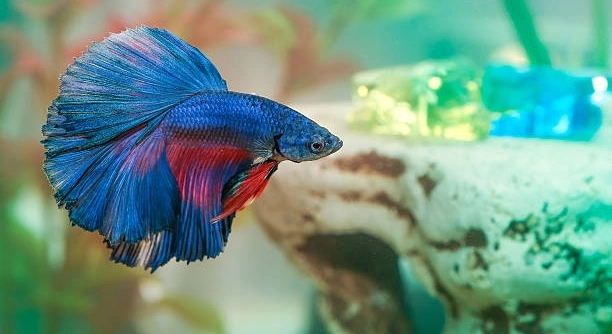
Betta fish are vibrant and energetic, making them popular pets. However, maintaining their health can be challenging without the proper care. Knowing how to prevent diseases is essential for keeping your Betta fish happy and healthy.
The best way to prevent Betta fish diseases is through regular water changes, maintaining proper water temperature, and providing a balanced diet. Additionally, minimizing stress and ensuring a clean, well-maintained tank can help reduce the risk of illness.
By taking these steps, you can ensure that your Betta fish stays in optimal health and enjoys a long life.
Importance of Clean Water
One of the most important factors in preventing diseases in Betta fish is keeping their water clean. Bettas thrive in clean, fresh water, and poor water quality can quickly lead to various health issues. Regular water changes, ideally 25-50% of the tank volume, should be done weekly. This helps remove excess waste, bacteria, and toxins that can harm your Betta’s health. In addition, ensure your filter is functioning correctly and doesn’t disturb your Betta with strong currents. Keeping the water temperature steady between 76°F and 82°F is also crucial for their immune system. Maintaining clean water ensures a safe environment where your Betta can live comfortably and avoid sickness.
A clean tank reduces the chances of harmful bacteria or parasites developing. It’s also essential to test the water’s pH levels, as water that’s too acidic or alkaline can stress your Betta and increase the likelihood of diseases.
By taking the time to keep the water pristine, your Betta’s chances of staying healthy will improve significantly. It’s an easy yet vital practice for a long-lasting and happy Betta.
Balanced Diet
A balanced diet plays a crucial role in preventing Betta fish diseases. Bettas require a variety of nutrients to maintain their health. Providing them with high-quality pellets or frozen food, supplemented with live food like brine shrimp or bloodworms, ensures they get proper nourishment.
An improper diet can weaken your Betta’s immune system, making it more susceptible to diseases. Overfeeding is another issue that can lead to water contamination and digestive problems, so it’s essential to feed your Betta small portions twice a day. Regular feeding schedules also promote a healthy metabolism, reducing the risk of obesity or malnutrition. A good diet directly impacts the energy levels and overall well-being of your Betta fish.
Minimizing Stress
Stress is a major factor that can lead to health issues in Betta fish. Bettas are naturally territorial and can get stressed easily if their environment isn’t suited to their needs. Avoid overcrowding the tank and keep other fish that are compatible with Bettas. Make sure the tank has plenty of hiding spots, such as plants or decorations, to give your Betta a sense of security. Loud noises and sudden movements around the tank can also stress them out.
Consistent, calm environments are essential. Bettas tend to thrive in tanks with minimal disruptions, as a peaceful space supports their immune system. Monitor the temperature carefully, ensuring it doesn’t fluctuate too much, as rapid changes can increase stress levels. Bettas can be sensitive to even small environmental changes, so stability is key.
By minimizing stress, you’re also reducing the risk of Betta fish developing diseases that stem from weakened immunity. Betta fish feel more secure when their space is tailored to their needs, making them healthier and happier overall.
Tank Maintenance
Regular tank maintenance is essential for Betta fish health. Apart from performing water changes, it’s vital to clean decorations, substrate, and the tank itself. Algae buildup should be addressed by scrubbing the glass regularly, preventing any harmful bacteria from thriving.
Ensure the filter is kept clean and functioning properly. It helps to remove debris and toxins that could harm your Betta. When cleaning, use water from the tank itself, as tap water may contain chemicals that are harmful to your fish. Always clean the tank thoroughly but gently to avoid stressing your Betta.
Keeping the tank pristine not only prevents disease but also enhances the overall living conditions for your Betta fish. Taking these steps may seem small, but they have a significant impact on preventing health problems in the long run.
Tank Size
Choosing the right tank size is crucial for Betta fish health. While they are often kept in small tanks, a larger tank (5 gallons or more) provides more room to swim and reduces stress. A bigger tank also allows for better filtration and more stable water conditions, which help prevent disease.
A larger tank with adequate space allows for a more comfortable environment. It also provides room for plants and hiding spots, which are essential for Betta fish well-being. This reduces the risk of territorial behavior and stress, which could lead to health issues.
Temperature Control
Betta fish thrive in a stable water temperature between 76°F and 82°F. A reliable heater is important for maintaining this range, especially in colder environments. Avoid placing the tank near windows or drafts, as temperature fluctuations can harm the Betta’s immune system.
A steady temperature is key to preventing illnesses that result from stress or weakened immunity. A consistent, warm environment helps Betta fish digest food properly, stay active, and fight off potential infections. Be sure to check the temperature regularly with an aquarium thermometer to avoid any sudden drops or spikes.
FAQ
How often should I change my Betta fish’s water?
Changing your Betta fish’s water is vital for maintaining a healthy environment. Ideally, you should change 25-50% of the tank’s water weekly. If your tank is smaller or lacks a filter, you may need to change the water more frequently. Regular water changes remove toxins, debris, and waste that build up over time. Make sure to use a water conditioner to neutralize chlorine or chloramine in tap water, which can be harmful to your Betta.
What temperature should the water be for a Betta fish?
Betta fish prefer warm water, typically between 76°F and 82°F (24°C to 28°C). Temperatures below 75°F can cause Betta fish to become sluggish and increase their susceptibility to diseases. A stable temperature is crucial, so avoid sudden fluctuations. Using an aquarium heater with a thermometer will help maintain this range and ensure your Betta stays healthy.
Can Betta fish live with other fish?
Betta fish are known for being territorial, especially males, and should be housed carefully with other fish. Avoid keeping two males together, as they will likely fight. Female Bettas can live with other peaceful species, but it’s important to monitor their behavior closely. Tankmates should be non-aggressive and have similar water temperature and pH needs. Some species that work well with Betta fish include Corydoras catfish, neon tetras, and certain types of shrimp.
How do I know if my Betta is sick?
Betta fish often show clear signs of illness, such as changes in behavior, appearance, or eating habits. Common signs of sickness include faded colors, clamped fins, abnormal swimming patterns, or lesions on the body. Loss of appetite and lethargy are also red flags. If you notice any of these symptoms, it’s essential to address the issue quickly. Consult an aquatic veterinarian or treat the tank water with appropriate medication based on the symptoms.
What should I feed my Betta fish?
Betta fish are carnivores, and their diet should primarily consist of high-quality protein. Betta pellets are a convenient option, but you can also feed them frozen or live foods, such as bloodworms, brine shrimp, or daphnia. Offer a variety of food types to ensure they get the nutrients they need. It’s important not to overfeed your Betta, as leftover food can pollute the water and cause health issues. Feed your Betta small portions twice a day.
How long do Betta fish live?
Betta fish can live for up to 3 to 5 years with proper care. Some may live longer, depending on factors such as water quality, diet, and stress levels. Providing a suitable tank environment, a balanced diet, and minimizing stress can help increase their lifespan. Regular health checks and a stable tank environment are essential for ensuring your Betta lives a long, healthy life.
What are common Betta fish diseases?
Betta fish can suffer from various diseases, many of which are linked to poor water quality or stress. Some common conditions include fin rot, ich (white spot disease), velvet disease, and swim bladder disorder. Keeping the water clean, maintaining a proper temperature, and providing a balanced diet can help prevent most diseases. If you notice symptoms like white spots, lesions, or unusual swimming behavior, it’s important to diagnose the issue quickly and treat it appropriately.
How can I prevent Betta fish stress?
Stress in Betta fish is often caused by poor water quality, overcrowding, or unsuitable tank conditions. To minimize stress, ensure that your Betta has enough space (a minimum of 5 gallons of water), a stable temperature, and a filter to keep the water clean. Avoid placing the tank in a high-traffic area or near loud noises. Provide hiding spots with plants or decorations so your Betta can retreat when needed. Regular monitoring of their behavior will help you catch stress early.
How can I treat a sick Betta fish?
The first step in treating a sick Betta fish is to isolate it in a separate quarantine tank to prevent the spread of illness. Depending on the symptoms, you may need to treat with medications such as anti-parasitic or anti-bacterial treatments. Ensure that the water in the quarantine tank is pristine and at the correct temperature. Monitor the Betta closely for any changes, and if symptoms persist, consult an aquatic vet for further advice. Early detection and treatment are key to recovery.
What is the best tank setup for Betta fish?
A Betta fish tank should be at least 5 gallons to allow for adequate swimming space. It should have a gentle filter to keep the water clean without creating strong currents, which Betta fish dislike. The tank should also have plenty of hiding spots such as plants, caves, or decorations to make your Betta feel secure. The water should be properly conditioned and kept within the ideal temperature range of 76°F to 82°F. Bettas enjoy a peaceful environment, so make sure the tank is free of aggressive tankmates.
Final Thoughts
Taking care of a Betta fish involves more than just feeding and cleaning. It requires attention to detail in creating the right environment, maintaining water quality, and keeping the fish stress-free. Proper care can lead to a long, healthy life for your Betta, and it’s important to be consistent with the routines. Monitoring the tank regularly and being aware of any changes in behavior or appearance will allow you to address potential issues before they become serious. While Betta fish are relatively hardy, their health can decline quickly if proper precautions are not followed.
A key element in preventing Betta fish diseases is ensuring that they live in a stable, clean environment. Regular water changes, proper filtration, and monitoring of temperature and pH levels are critical factors in maintaining good water quality. Stress is another major cause of illness, so minimizing environmental changes and providing sufficient space for your Betta to swim will contribute to its well-being. Avoiding aggressive tankmates and overfeeding is also important to prevent unnecessary stress and health problems. By creating a comfortable environment, you can help your Betta thrive and reduce the risk of disease.
In the end, Betta fish are relatively low-maintenance pets, but they do require some effort to keep them healthy. With the right knowledge and commitment, you can ensure that your Betta enjoys a long and happy life. Keeping your Betta’s tank clean, providing the right diet, and monitoring for stress or illness are the best ways to ensure its well-being. With proper care, Betta fish can be a rewarding and beautiful addition to your home.

Hello,
If you enjoy the content that we create, please consider saying a "Thank You!" by leaving a tip.
Every little bit helps us continue crafting quality advice that supports the health, happiness, and well-being of pets around the world, for pets of all shapes, sizes, and species.
We really appreciate the kindness and support that you show us!