
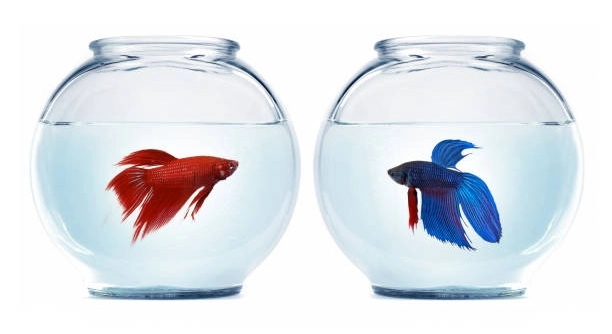
Is your betta fish acting sluggish or aggressive? Tank size plays a crucial role in their behavior, influencing their activity levels, stress, and interactions. Understanding the connection between tank size and behavior can help ensure your betta thrives in its environment.
A small tank can limit a betta fish’s movement, leading to stress, lethargy, and territorial aggression. A larger tank provides more swimming space, better water quality, and enrichment opportunities, promoting a healthier, more active, and well-adjusted betta fish.
Providing the right tank size is essential for your betta’s well-being. Exploring how different sizes affect their behavior can help you make informed choices for a happier, healthier fish.
The Role of Tank Size in Betta Fish Behavior
A betta fish’s environment directly affects its behavior, and tank size is one of the most important factors. In a small tank, bettas may become stressed due to limited swimming space and poor water conditions. This stress can lead to lethargy, aggression, or even illness. A larger tank provides more room to explore, reducing anxiety and promoting natural behaviors like flaring, bubble nest building, and active swimming. Water quality also improves with more space, making it easier to maintain stable conditions. Choosing the right tank size ensures your betta has a healthier, more comfortable environment.
A tank under two gallons can make it difficult for a betta to thrive. With little room to move, they may become inactive or excessively territorial. A minimum of five gallons allows for better movement, more stable water conditions, and an overall happier fish.
Small tanks also make it harder to maintain proper filtration and temperature control. In a confined space, waste accumulates quickly, leading to toxic ammonia spikes that can harm your betta. Larger tanks dilute waste more effectively, keeping water parameters stable. A well-maintained tank with enough space promotes a more active and stress-free betta, helping it live a longer, healthier life.
How Tank Size Affects Water Quality
Inadequate tank size can lead to poor water quality, which negatively impacts a betta’s health. Smaller tanks accumulate toxins quickly, requiring frequent water changes to maintain safe conditions. Even with regular maintenance, keeping ammonia and nitrate levels in check is more challenging in confined spaces.
A larger tank provides better stability in water parameters, reducing the risk of sudden fluctuations. In a small tank, temperature and pH levels can change rapidly, causing unnecessary stress for your betta. More water volume helps maintain consistent conditions, making it easier to provide a safe and comfortable habitat. Additionally, larger tanks support filtration systems more effectively, ensuring waste is broken down efficiently.
Filtration plays a key role in maintaining water quality, but it is less effective in smaller tanks due to limited space for beneficial bacteria. These bacteria help break down harmful waste, reducing ammonia levels. In a five-gallon or larger tank, there is more surface area for bacteria to grow, leading to a more balanced environment. Additionally, a larger tank allows for gradual water changes, preventing sudden shifts that could stress your betta. Ensuring proper filtration and space improves overall water quality, supporting a healthier, more active fish.
Behavioral Changes in Different Tank Sizes
Betta fish in small tanks often display increased aggression and stress-related behaviors. Limited space forces them into constant territorial defense, leading to flaring, chasing, or fin-nipping. Without room to retreat, their stress levels rise, making them more prone to illness and a shorter lifespan.
In a larger tank, bettas have space to establish their territory without feeling confined. This reduces aggression and promotes natural behaviors like exploring, resting on plants, or interacting with their environment. More swimming space also helps prevent boredom, which can lead to tail-biting or lethargy. A betta in a properly sized tank is more likely to remain active and engaged.
Small tanks can lead to erratic swimming patterns, such as glass surfing or excessive hiding. These behaviors indicate stress and discomfort. With enough space, bettas can swim naturally and develop healthier habits. Providing hiding spots and enrichment further enhances their well-being.
The Importance of Tank Setup
Proper tank setup improves a betta’s overall health and behavior. A tank should include a gentle filter to maintain water quality and prevent harmful bacteria buildup. Bettas also need a heater to keep the water temperature stable, ideally between 78-80°F. Unstable conditions can cause stress and weaken their immune system.
Decorations and plants help create a comfortable environment by mimicking their natural habitat. Live plants provide oxygen and hiding spots, reducing stress and promoting exploration. Smooth decorations prevent fin damage, while floating objects offer resting places. A well-decorated tank makes bettas feel secure and encourages natural behaviors like bubble nest building.
A proper setup also includes a secure lid, as bettas are known to jump. Lighting should be consistent, mimicking a natural day-night cycle. Overexposure to light can cause stress, while too little can disrupt their activity levels. Ensuring the right setup allows bettas to thrive, reducing stress-related issues and improving their overall well-being.
Choosing the Right Tank Size
A five-gallon tank is the minimum recommended size for a betta fish. It provides enough space for swimming, reduces stress, and allows for better water quality. Anything smaller can lead to poor health, increased aggression, and frequent maintenance due to rapid toxin buildup.
Larger tanks, such as ten gallons, offer even greater benefits. They allow for more stable water parameters, additional enrichment, and the possibility of tank mates in certain cases. A spacious environment encourages natural behaviors, making bettas more active and improving their overall well-being.
Common Mistakes When Setting Up a Betta Tank
Many people assume bettas can thrive in small bowls, but this leads to poor water conditions and stress. A properly sized tank with a filter and heater is essential. Neglecting these factors can cause illness, lethargy, and a significantly shorter lifespan for the fish.
Final Thoughts
Providing a betta with a properly sized tank ensures a healthier, more active fish. A spacious environment reduces stress, encourages natural behaviors, and makes maintenance easier.
FAQ
How small of a tank can a betta fish live in?
Betta fish can technically survive in tanks as small as one gallon, but it’s not recommended. A one-gallon tank doesn’t provide enough space for swimming and proper water quality. Bettas need at least five gallons to thrive, allowing for better swimming space, stable water parameters, and overall comfort.
Can I keep more than one betta in the same tank?
It is not advisable to keep multiple bettas together, especially males. Male bettas are highly territorial and will fight if housed in the same tank. Female bettas can live together in a sorority, but it requires careful planning, ample space, and monitoring to ensure there is no aggression.
What happens if a betta fish doesn’t have enough space?
Without enough space, bettas can become stressed, lethargic, and aggressive. They may exhibit abnormal behaviors like glass surfing, fin-nipping, or hiding. Prolonged stress can lead to health problems such as weakened immune systems, making the betta more susceptible to illness.
Can bettas live with other fish?
Bettas can live with certain fish species, but caution is needed. Aggressive or fin-nipping fish should be avoided. Peaceful fish, such as Corydoras or small tetras, can coexist with bettas in larger tanks. It’s important to monitor interactions and ensure the betta has plenty of hiding spots.
Do bettas need a filter in their tank?
Yes, a filter is important for maintaining water quality in a betta’s tank. However, bettas don’t like strong currents, so choose a filter with an adjustable flow or one designed for bettas. A filter helps break down waste and toxins, ensuring a healthier environment.
Is a heater necessary for a betta tank?
A heater is necessary to keep the water at a stable temperature between 78-80°F. Bettas are tropical fish and thrive in warmer water. Without a heater, water temperature can fluctuate, causing stress and health issues. A consistent temperature is key to a betta’s well-being.
How often should I change the water in my betta tank?
In a well-filtered tank, water changes should be done weekly or biweekly. In a smaller tank, changes might need to occur more frequently, depending on the tank size and the fish’s waste. Regular water changes help maintain proper water quality and reduce the risk of disease.
What is the ideal tank size for a betta fish?
The ideal tank size for a betta fish is at least five gallons. This provides enough swimming space and allows for better water quality management. A ten-gallon tank is even better, offering more space for plants, decorations, and potential tank mates.
Can bettas live in a bowl without a filter?
Bettas can survive in a bowl without a filter, but this is not ideal. Without a filter, waste accumulates quickly, leading to poor water quality and stress for the betta. A properly sized tank with a filter helps maintain better water conditions, promoting the betta’s health and longevity.
What do bettas like in their tank?
Bettas enjoy plants, caves, and other hiding spots in their tank. Live plants, especially those with broad leaves, can provide places for the betta to rest and hide. Bettas also enjoy having a space where they can build bubble nests. Avoid sharp decorations that may damage their delicate fins.
Why do bettas flare?
Betta fish flare as a sign of aggression or territorial behavior. When they see their reflection in the glass or encounter another betta, they may flare their gills and spread their fins. This is a natural behavior, but constant flaring due to stress can cause exhaustion and health issues.
How can I reduce stress in my betta fish?
Reducing stress in bettas can be done by providing ample swimming space, ensuring stable water conditions, and minimizing environmental changes. Offering hiding spots, avoiding sudden movements around the tank, and not overcrowding the tank can also help reduce stress levels.
Can a betta fish live in a tank with a lid?
A tank with a lid is important for a betta because they are known to jump. A secure lid will prevent them from escaping and getting injured. It also helps maintain consistent temperature and humidity levels inside the tank.
What type of water is best for a betta fish?
Betta fish thrive in dechlorinated water, ideally with a pH level between 6.5 and 7.5. Tap water can be used if it is properly treated to remove chlorine and chloramines. Bottled spring water or distilled water can also be used, but ensure the water is properly balanced.
Can a betta fish live in a tank with other pets?
Betta fish are territorial and can have trouble coexisting with other pets, especially other fish. Invertebrates like snails or shrimp can live with bettas, but make sure the betta is not aggressive toward them. Always research compatibility before introducing any new tank mates.
What is the best temperature for a betta fish tank?
The best temperature for a betta fish tank is between 78-80°F. A stable temperature within this range supports their metabolism, immune system, and activity levels. A heater is essential to maintain this temperature, especially in cooler climates.
How long can a betta fish live in a small tank?
A betta fish can survive in a small tank for a while, but its health will likely decline over time. The small space increases stress, limits movement, and makes it difficult to maintain water quality. With proper care, a betta may live for a few years, but a larger tank will lead to a longer, healthier life.
Do bettas need special lighting?
Bettas do not require special lighting, but they benefit from a consistent light cycle. A regular day-night cycle helps maintain their natural behavior patterns. Avoid leaving the light on 24/7, as this can cause stress. A simple aquarium light is sufficient for their needs.
Final Thoughts
Providing the proper tank size for a betta fish is essential for its health and well-being. A tank that is too small can lead to stress, illness, and a shorter lifespan. While a betta can survive in a small bowl or tank, it is not ideal. A tank that holds at least five gallons offers enough space for the fish to swim and explore, helping to reduce stress. Larger tanks, such as those in the range of 10 gallons, provide even better conditions for your betta, allowing for more stable water parameters and a more natural environment. With more space, bettas have room to display their natural behaviors, which can lead to a happier, more active fish.
Water quality plays a major role in a betta’s health. Even in a larger tank, regular maintenance and water changes are necessary to ensure clean and safe conditions. A filter is highly recommended for maintaining water quality, but it is important to use one with a low flow to avoid stressing the betta. Bettas are not strong swimmers and prefer calm water. A heater is also important to keep the water at a stable temperature between 78-80°F. Without a heater, water temperature can fluctuate, leading to stress and weakened immune systems. Maintaining stable water parameters is a key part of ensuring a healthy betta fish.
When it comes to tankmates, bettas can be kept with other peaceful species in larger tanks. However, care must be taken to avoid aggressive or fin-nipping fish. It is important to ensure that the betta has enough space and hiding spots to retreat to if it feels threatened. Bettas are solitary creatures by nature and may become territorial, especially when housed with other males. With the right tank setup, a betta can live happily with other compatible fish, but each situation should be carefully monitored to prevent aggression. By providing a proper tank size, clean water, and a peaceful environment, you can help your betta thrive for years to come.

Hello,
If you enjoy the content that we create, please consider saying a "Thank You!" by leaving a tip.
Every little bit helps us continue crafting quality advice that supports the health, happiness, and well-being of pets around the world, for pets of all shapes, sizes, and species.
We really appreciate the kindness and support that you show us!