
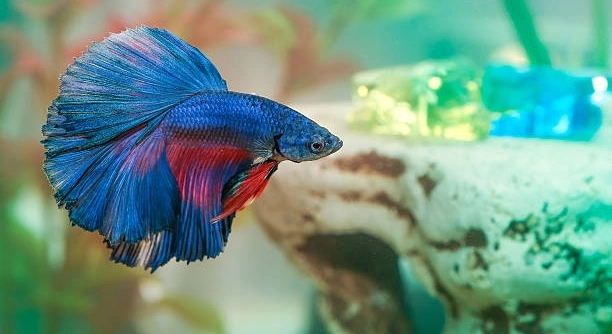
Do you ever find yourself watching your betta fish swim gracefully and wonder if it could learn tricks? Training a betta fish may seem unusual, but with patience and consistency, these intelligent little swimmers can master simple commands and entertaining behaviors.
The best way to train your betta fish to perform tricks is through positive reinforcement using food rewards. By associating treats with specific actions, your betta will learn to follow your finger, swim through hoops, and even jump on command.
Understanding the right techniques and maintaining a consistent training schedule will help your betta succeed. A well-trained betta not only provides entertainment but also enhances the bond between you and your fish.
Setting Up for Training
Creating the right environment is important before starting any training. Choose a quiet space without distractions so your betta can focus. A small tank or a training area within a larger tank works best. Keep the water clean and at a stable temperature to maintain your betta’s comfort. Use a feeding stick or your finger to introduce movement-based training. Bettas are naturally curious and will follow objects if they associate them with food. Training sessions should be short, around five minutes, to prevent stress. Repeating sessions daily helps your betta recognize patterns and respond faster.
A healthy betta is more responsive to training. Make sure it has a varied diet, including high-quality pellets and occasional live or frozen treats. A well-fed fish will be more eager to participate. Avoid overfeeding, as this can cause sluggish behavior, making training less effective.
Patience is key when training a betta. It may take time for your fish to associate actions with rewards, but consistency will lead to success. Avoid sudden movements that could startle your betta, and always use gentle gestures. Positive reinforcement encourages learning and builds trust between you and your fish.
Teaching Basic Tricks
Start with simple tricks like following your finger. Hold your finger near the tank and move it slowly. Your betta will naturally investigate and start to follow over time. Reward it with a small treat immediately after successful movement.
Once your betta follows your finger consistently, introduce new challenges. Try guiding it in different directions or leading it through a small hoop. Bettas learn by association, so repeating the motion and offering a reward strengthens the behavior. Gradually increase difficulty by varying hand movements or distances. Some bettas may respond faster than others, but patience will lead to results. Training works best when your fish is active, so schedule sessions when it appears most alert.
Another fun trick is teaching your betta to jump. Hold a treat just above the water surface, encouraging your betta to reach for it. Start low and increase the height as your fish becomes comfortable. This trick requires more practice but is rewarding to see. Avoid overdoing it, as too many jumps can be tiring. Training should always be a positive experience to keep your betta engaged and willing to learn.
Advancing to More Complex Tricks
Once your betta masters basic tricks, try teaching it to swim through a hoop. Use a small ring made from aquarium-safe material. Hold it just below the water surface and guide your betta through it using a treat. Reward it immediately after a successful pass.
Gradually move the hoop farther away or lower into the water. Your betta may hesitate at first, but consistency helps build confidence. If your fish refuses, try making the opening wider or placing the hoop near a familiar spot. Keeping training sessions short prevents frustration. Over time, your betta will associate the hoop with rewards and swim through it without hesitation. Some bettas may even swim through on their own once they recognize the pattern.
Another advanced trick is teaching your betta to push a floating ball. Start by placing a lightweight object in the water and encouraging your fish to investigate. Lightly nudge the ball toward your betta to spark curiosity. If your fish interacts with it, reward the effort. Over time, your betta will learn to push the ball for a treat. Adjust the training by introducing small obstacles or moving the ball to different areas of the tank. Keeping sessions fun helps maintain interest.
Maintaining Progress and Avoiding Frustration
Reinforcing learned tricks is necessary to prevent your betta from forgetting them. Continue practicing old tricks while introducing new ones. Even if your betta has mastered a trick, occasional reinforcement keeps it responsive and engaged. Rewards should remain consistent to maintain motivation.
If your betta stops responding, take a break and try again later. Training should always be a positive experience. If your betta seems uninterested, adjust the approach. Reduce distractions, change reward types, or shift training times to when your fish is most active. Paying attention to behavior helps identify what works best. Avoid overtraining, as too many sessions can cause stress or boredom. Keeping sessions short and rewarding ensures long-term success.
Patience and consistency lead to the best results. Each betta learns at its own pace, so adjusting techniques to fit its personality makes training more effective. Whether teaching new tricks or maintaining old ones, keeping interactions positive helps strengthen the bond with your fish.
Choosing the Right Rewards
Small, high-quality treats work best for training. Freeze-dried bloodworms and brine shrimp are great options. Offer a single piece immediately after your betta performs the desired action. Avoid overfeeding by keeping treats minimal to prevent health issues while maintaining motivation during training sessions.
Observe your betta’s preferences to determine the most effective reward. Some fish respond better to specific treats, so testing different options can improve training success. Consistency is important, so use the same reward for each trick until your betta fully learns it. Adjust portion sizes to maintain a healthy diet.
Recognizing Signs of Stress
A betta that refuses to train, hides often, or becomes less active may be experiencing stress. Overtraining, poor water conditions, or sudden changes in the environment can cause discomfort. If signs of stress appear, reduce training frequency and check water parameters to ensure a stable habitat.
Keeping Training Enjoyable
Training should always be a positive experience. If your betta loses interest, take a break and try again later. Keeping sessions short and rewarding makes learning enjoyable. Paying attention to your betta’s behavior ensures a stress-free experience while strengthening the connection between you and your fish.
FAQ
How long does it take to train a betta fish?
Training time varies based on the fish’s personality and consistency of practice. Some bettas learn simple tricks like following a finger within a few days, while more complex tricks may take weeks. Short, daily training sessions help speed up the learning process.
What treats work best for training?
Freeze-dried bloodworms, brine shrimp, and high-quality betta pellets are great training treats. These foods are nutritious and appealing to bettas. Use small portions to prevent overfeeding. Avoid feeding human food or anything that may contain harmful additives, as these can negatively affect your fish’s health.
Can all bettas learn tricks?
Most bettas can learn tricks, but some may be more responsive than others. Personality, environment, and health play a role in how quickly a fish learns. Some bettas are naturally curious and eager to interact, while others may take longer to show interest.
What should I do if my betta stops responding to training?
If your betta stops responding, take a break for a day or two. Check water conditions, as poor water quality can cause stress and reduced activity. Try changing the type of reward or adjusting training times to when your fish is most active.
How often should I train my betta?
Short training sessions of about five minutes once or twice a day work best. Bettas can lose interest if sessions are too long. Consistency is key, but avoid overtraining, as too many sessions can cause stress or make your fish uninterested in learning.
Is it safe to make my betta jump for food?
Yes, as long as jumps are kept low and infrequent. Holding food just above the water surface encourages small jumps. Avoid making your betta jump too high or too often, as this can cause stress or injury. Keep training sessions short and enjoyable.
Why isn’t my betta interested in training?
Lack of interest can be due to stress, poor health, or a distracting environment. Make sure your betta is healthy and the water is clean. Try using a different reward, training at a different time, or reducing tank distractions to increase focus.
Can I train my betta with other fish in the tank?
It’s best to train a betta in a separate tank or a calm environment. Other fish may distract your betta or compete for treats. If your betta shares a tank, try training when the other fish are less active or move your betta to a smaller training space.
What are some common mistakes when training bettas?
Overfeeding, inconsistent training, and sudden movements can slow progress. Feeding too many treats can lead to health problems, while irregular sessions make it harder for bettas to learn. Sudden hand movements may startle your fish, making it hesitant to participate.
Can I use a laser pointer to train my betta?
No, laser pointers can stress bettas and cause erratic swimming behavior. Instead, use your finger or a feeding stick to guide movements. Bettas respond better to consistent physical objects rather than unpredictable light sources.
How can I tell if my betta enjoys training?
A betta that eagerly follows your finger, reacts to rewards, and engages in training without hesitation is likely enjoying the process. If your fish appears stressed, hides, or refuses to participate, reduce training frequency or adjust your approach to make it more enjoyable.
Final Thoughts
Training a betta fish takes time, patience, and consistency. Every fish learns at its own pace, so it’s important to be patient and not rush the process. Positive reinforcement with small, healthy treats helps encourage learning while keeping your betta engaged. Short, daily training sessions work best, as long sessions can lead to stress or loss of interest. A clean and stable tank environment also plays a big role in training success. If your betta is healthy and comfortable, it will be more likely to participate in training and respond well to new tricks.
Understanding your betta’s behavior is important when training. Some bettas are naturally more curious and responsive, while others may take longer to learn. Paying attention to body language, like flaring, active swimming, or hesitation, helps you adjust your approach to training. If your betta seems stressed or uninterested, taking a break and trying again later can help. Small adjustments, like changing the time of day you train or switching to a different treat, can also make a difference. The key is to keep training sessions enjoyable and stress-free, ensuring that your betta associates learning with positive experiences.
Training your betta not only provides entertainment but also strengthens the bond between you and your fish. Watching your betta learn new tricks can be rewarding, and the interaction keeps your fish mentally stimulated. Even after mastering a trick, occasional reinforcement helps keep your betta engaged and responsive. While not all bettas will perform every trick, most can learn simple commands with patience and practice. Keeping expectations realistic and focusing on the process rather than the outcome ensures a more enjoyable experience for both you and your fish.

Hello,
If you enjoy the content that we create, please consider saying a "Thank You!" by leaving a tip.
Every little bit helps us continue crafting quality advice that supports the health, happiness, and well-being of pets around the world, for pets of all shapes, sizes, and species.
We really appreciate the kindness and support that you show us!