
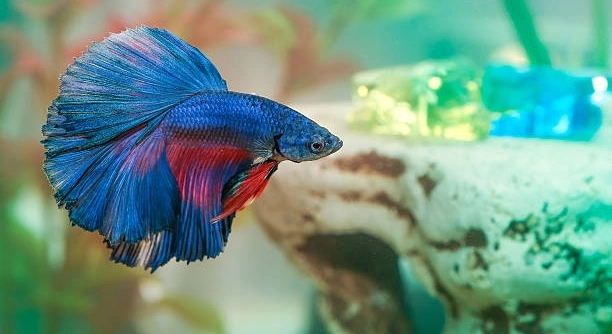
Algae can quickly overtake a Betta tank, leading to cloudy water and unappealing tank conditions. Luckily, certain algae eaters help maintain balance and keep the tank clean. Finding the right algae eaters for your Betta is essential.
Several species are well-suited for algae control in Betta tanks, including shrimp and specific fish species. They effectively consume algae without disturbing the Betta, promoting a clean, healthy environment. Selecting compatible algae eaters ensures both the Betta and tank thrive.
Choosing the best algae eaters for your Betta tank will help maintain a clear, healthy space for your fish. Keep reading to discover the top options for effective algae control.
Why Algae Eaters Are Essential for Betta Tanks
Algae can grow quickly in a Betta tank if not kept in check, making the water cloudy and affecting the overall aesthetic. Betta fish are not equipped to handle algae buildup on their own. While they are relatively low-maintenance, algae growth can impact their health and environment. Algae eaters help by controlling the growth of this unwanted vegetation, ensuring that the tank stays clean and clear. Having algae eaters in your tank means less manual cleaning and fewer water changes, ultimately creating a better living environment for your Betta. They are a natural solution to keeping the tank in balance, without disturbing the Betta’s peace.
While algae-eating fish and shrimp can help keep algae under control, it’s important to choose the right species for your Betta tank. Some algae eaters are too aggressive and may harm your Betta. Others might not be effective in managing algae growth. Carefully selecting the right algae eaters is essential for creating harmony in the tank.
Adding algae eaters to your Betta tank allows you to maintain a cleaner environment. By reducing algae growth naturally, you can focus more on your Betta’s well-being rather than constantly cleaning the tank. Choosing compatible species will ensure your Betta’s health is not compromised while effectively managing algae growth.
The Best Algae Eaters for Betta Tanks
When selecting algae eaters, it’s important to find species that will not stress or harm your Betta. Several fish and invertebrate species are well-suited for Betta tanks, offering both algae control and peaceful coexistence. Among the best algae eaters are the Otocinclus catfish, Nerite snails, Amano shrimp, and the Siamese algae eater. These species are small, non-aggressive, and enjoy eating algae, making them ideal companions for Betta fish.
Otocinclus catfish are gentle algae eaters that won’t disturb your Betta. They thrive in small groups and are known for eating soft algae, like green spot algae, which can be difficult to manage. They are peaceful and spend most of their time grazing on the tank’s surfaces. Nerite snails are another excellent option, known for their hard work in cleaning algae from the glass. They are small, non-threatening to Betta fish, and leave behind little waste. Amano shrimp are popular for their ability to clean both algae and uneaten food. They’re peaceful but can occasionally be nipped at by Betta fish. Siamese algae eaters are a bit more active, but they’re highly effective at controlling algae growth, especially green and brown algae. However, they may become more territorial as they grow, so monitoring their interactions with your Betta is crucial.
Each of these algae eaters brings something different to the tank. It’s essential to choose based on your Betta’s temperament and the level of algae you’re dealing with.
Otocinclus Catfish
Otocinclus catfish are a top choice for Betta tanks due to their peaceful nature and algae-eating habits. They are small, making them an ideal addition to smaller tanks without disturbing the Betta. These fish are especially good at controlling soft algae types.
These catfish prefer to be kept in groups, although even a single one can help maintain algae levels. They are particularly effective against algae like green spot algae. Otocinclus catfish graze constantly, picking at algae on tank surfaces and plants. However, they do need a stable environment and should not be introduced into newly set-up tanks.
Because Otocinclus catfish are sensitive to water conditions, make sure your tank is well-established with stable water parameters. They are not ideal for tanks with poor water quality, as they can easily become stressed. A peaceful tank with steady water conditions will allow them to thrive and help manage algae effectively.
Nerite Snails
Nerite snails are another excellent choice for Betta tanks. They are efficient at removing algae from tank glass and decorations without posing any threat to Betta fish. These snails come in a variety of patterns and colors, adding visual interest to your tank while helping with algae control.
Nerite snails are particularly effective at cleaning up hard algae, such as brown algae and diatoms. They tend to focus on glass, rocks, and substrate, leaving plants alone. While they are great for algae control, they don’t reproduce in freshwater, making them a low-maintenance option. Their small size also ensures they won’t take up too much space.
One thing to keep in mind is that Nerite snails do not tolerate copper in water, so make sure to avoid copper-based treatments in the tank. Additionally, while they are excellent algae eaters, they will need supplemental food in a tank with minimal algae. Offering blanched vegetables can help keep them well-fed.
Amano Shrimp
Amano shrimp are excellent for keeping algae in check while being non-aggressive toward Betta fish. These shrimp are highly effective at cleaning up different types of algae, including green algae and hair algae. Their small size makes them ideal for smaller tanks.
Amano shrimp will also scavenge uneaten food, helping keep the tank clean. They are active and enjoy grazing on tank surfaces and plants. While Betta fish may show some curiosity, they typically won’t harm Amano shrimp unless they feel threatened. It’s important to provide enough hiding spots for the shrimp to feel safe.
Siamese Algae Eater
Siamese algae eaters are another great option for controlling algae in Betta tanks. They are fast swimmers and effective algae eaters, known for consuming various types of algae, especially green and brown algae. However, they can grow larger than some other algae eaters.
While they are generally peaceful, Siamese algae eaters can sometimes become territorial as they mature. They may not be the best choice for a tank with aggressive Betta fish. If you add them to a tank, it’s essential to monitor their interactions and ensure the Betta isn’t stressed by their presence.
FAQ
Can I keep multiple algae eaters in a Betta tank?
Yes, you can keep multiple algae eaters in a Betta tank, but it depends on the species. Some algae eaters, like Otocinclus catfish and Nerite snails, can live together peacefully without causing harm to each other or the Betta. However, species like Siamese algae eaters may become territorial as they grow and could potentially cause stress to your Betta. It’s important to monitor interactions, especially if your Betta is aggressive. Always research the species before introducing them into your tank to ensure they will coexist peacefully.
Do algae eaters help prevent algae from growing?
Algae eaters help reduce algae growth but may not completely prevent it. They are effective at eating the algae that forms on tank surfaces, plants, and decorations. However, if your tank is overexposed to sunlight, has high nutrient levels, or is not regularly cleaned, algae may still grow. Algae eaters work best as part of a broader tank maintenance routine that includes controlling lighting, water quality, and feeding habits. They can help minimize the buildup of algae but won’t eliminate the problem entirely.
Are algae eaters safe for Betta fish?
Most algae eaters are safe for Betta fish as long as the right species are chosen. Otocinclus catfish, Nerite snails, Amano shrimp, and small Siamese algae eaters are generally peaceful and won’t harm Betta fish. However, it’s crucial to monitor the tank’s dynamics. Some algae eaters may become territorial or aggressive, particularly as they grow, which could cause stress to your Betta. Ensuring your algae eater is compatible with your Betta is essential for a peaceful tank environment.
Do algae eaters need special care?
Algae eaters don’t require much special care, but they do need a stable environment. They are sensitive to changes in water quality, so regular water changes and maintaining appropriate parameters (such as temperature and pH) are important. Some species, like Otocinclus catfish, need a tank that has been set up for a while to ensure stable conditions. Other species, such as Amano shrimp, may require hiding spots to feel safe. Providing proper food when algae is scarce will also help keep them healthy. Research the specific care needs of each species you plan to introduce.
Can algae eaters live with Betta fish in a small tank?
Algae eaters can live with Betta fish in small tanks, but it’s important to choose smaller species. Otocinclus catfish and Nerite snails are excellent options for tanks as small as 10 gallons. Larger species like Siamese algae eaters may require more space and could become territorial, potentially stressing the Betta. When keeping algae eaters in small tanks, be mindful of tank size, hiding spots, and the number of inhabitants to avoid overcrowding. A small but well-maintained tank with compatible species will keep both your Betta and algae eaters healthy.
How do I know if my algae eater is stressed?
Stressed algae eaters may display signs like hiding more than usual, not eating, or swimming erratically. If you notice that your algae eater isn’t grazing as it normally would or if it appears lethargic, stress could be the cause. Stress in algae eaters can result from poor water quality, aggressive tank mates, or unsuitable tank conditions. It’s important to monitor your tank’s water parameters and observe the behavior of your algae eater to ensure a stress-free environment. If you suspect stress, try to adjust the conditions or separate incompatible species.
Can I rely only on algae eaters to clean my tank?
While algae eaters are helpful, relying solely on them to clean your tank may not be enough. Algae eaters can reduce algae growth but won’t be able to remove all waste, debris, or uneaten food. Regular cleaning, including wiping down tank surfaces, performing water changes, and vacuuming the substrate, is still necessary to maintain a healthy environment for your Betta. Algae eaters are a valuable part of tank maintenance, but they should be used in conjunction with routine cleaning practices to ensure the best water quality.
How many algae eaters do I need for a Betta tank?
The number of algae eaters you need depends on your tank size and the amount of algae present. In a 10 to 20-gallon Betta tank, one or two algae eaters should be sufficient. Otocinclus catfish or Nerite snails are great options for smaller tanks. If you have a larger tank, you can add more algae eaters to help control the algae growth. However, be careful not to overcrowd the tank, as too many algae eaters can cause competition for food and space, leading to stress for all tank inhabitants.
Can Betta fish eat algae?
Betta fish are carnivorous and typically do not eat algae. They prefer protein-based foods such as pellets, frozen or live foods, and insects. While some Betta fish might nibble on algae out of curiosity, they won’t eat enough to control its growth. Algae eaters, such as Otocinclus catfish and Amano shrimp, are necessary to handle algae control in a Betta tank. Providing proper nutrition for your Betta will help prevent them from grazing on algae and allow algae eaters to do their job effectively.
Final Thoughts
Choosing the right algae eaters for your Betta tank can make a significant difference in maintaining a clean and healthy environment. It’s important to consider the size of your tank, the specific needs of your Betta, and the compatibility of different algae eaters before making a decision. Some algae eaters, like Otocinclus catfish and Nerite snails, are peaceful and work well in smaller tanks. Others, like Siamese algae eaters, can become territorial as they grow, which might cause stress to your Betta. Researching the behavior and care requirements of each species will ensure they can thrive alongside your Betta.
While algae eaters are helpful for controlling algae, they should not be relied upon as the sole means of tank maintenance. Regular water changes, cleaning the substrate, and removing uneaten food are essential parts of keeping your tank in top condition. Algae eaters can only do so much to help with algae buildup, but they won’t be able to address all of the debris or waste that can accumulate in the tank. It’s essential to continue a consistent cleaning routine to support the overall health of your Betta and other tank inhabitants.
In conclusion, selecting the right algae eaters for your Betta tank requires careful consideration of both your Betta’s needs and the algae eater’s characteristics. By choosing species that are compatible and understanding their care requirements, you can maintain a healthy balance in your tank. Keep in mind that algae eaters are a helpful addition, but they should be part of a well-rounded maintenance routine. With the right approach, your Betta tank will stay clean, and your algae eaters will thrive.

Hello,
If you enjoy the content that we create, please consider saying a "Thank You!" by leaving a tip.
Every little bit helps us continue crafting quality advice that supports the health, happiness, and well-being of pets around the world, for pets of all shapes, sizes, and species.
We really appreciate the kindness and support that you show us!