
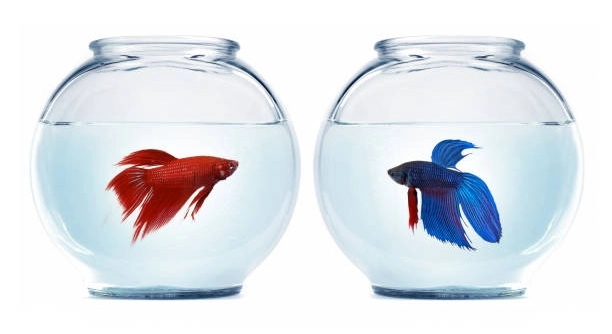
Betta fish are known for their unique behaviors, and one common action is hitting the glass. This behavior often leaves owners wondering what it means and how to address it.
Betta fish may hit the glass for various reasons, including stress, boredom, territorial behavior, or seeking attention. Other causes include hunger, the presence of a reflection, or environmental changes that disrupt their comfort.
Understanding the causes of this behavior will help you create a more suitable environment for your Betta, improving its well-being.
Stress and Anxiety
Betta fish are highly sensitive to changes in their environment, which can lead to stress. Common stressors include sudden temperature shifts, poor water quality, or overcrowding in the tank. When Betta fish feel uneasy, they may start swimming erratically, including hitting the glass. Stress can also arise from the presence of other fish or objects in the tank that create a sense of danger. It’s essential to maintain a stable environment to keep your Betta calm.
Stress may also manifest in other ways, such as faded color or lethargy. If you notice these signs, the fish may be struggling with more than just glass-hitting behavior.
A few adjustments to your Betta’s habitat can reduce stress levels. Ensure the water temperature remains between 76°F and 80°F, provide hiding spots, and maintain a clean tank. Making these changes will help your Betta feel secure and reduce its stress.
Boredom
Betta fish need mental stimulation to stay active and engaged. Without enough environmental enrichment, they may develop repetitive behaviors, including hitting the glass. These behaviors are often signs of boredom or frustration.
A lack of space or objects to explore may contribute to this behavior. Providing different types of enrichment, such as plants, decorations, or mirrors, can give your Betta something to interact with. Betta fish are naturally curious and require stimulation to remain happy and healthy.
Hunger
Betta fish are active hunters and need regular feeding. If they’re hungry or not getting enough food, they may start to hit the glass, hoping for attention or food. This behavior is often linked to their natural instincts to search for food.
Make sure to feed your Betta the right amount of food once or twice a day. Overfeeding can lead to water quality issues, but underfeeding can make your Betta anxious and frustrated. If you notice your Betta is constantly glass-hitting, check their feeding schedule. Adjust portions and feeding times accordingly.
A well-fed Betta will display more relaxed and natural behaviors. Ensuring consistent feeding habits will help prevent glass-hitting, and your Betta will thrive in a stable routine.
Reflection
Betta fish are territorial by nature. When they see their reflection in the glass, they often perceive it as another Betta and may react aggressively. This can cause them to constantly hit the glass as they try to ward off the “intruder.”
Try to reduce the impact of reflections by placing the tank in a spot where light doesn’t hit the glass directly. You could also add plants or decorations that block the reflection from the Betta’s view. Additionally, some Betta owners choose to cover parts of the tank with opaque materials to prevent their fish from seeing its reflection.
Blocking or redirecting the Betta’s view of its reflection can greatly reduce this glass-hitting behavior, keeping the fish calmer and happier.
Territorial Behavior
Betta fish are naturally territorial and can become aggressive toward anything they perceive as an intruder. This includes reflections or other fish outside the tank. Glass-hitting may occur as they try to defend their space.
If you notice constant glass-hitting, consider adjusting the tank’s layout or adding more plants to help the Betta feel secure in its environment. By providing hiding spots or creating more visual barriers, you can reduce stress and territorial aggression.
Reducing territorial stress will help your Betta feel more comfortable, resulting in less glass-hitting behavior.
Water Quality
Poor water quality can stress Betta fish, leading to erratic behavior like glass-hitting. Contaminated water can irritate their skin and gills, making them feel uneasy.
Make sure to test water regularly for ammonia, nitrites, and pH levels. Frequent water changes and a reliable filtration system will ensure the water remains safe for your Betta, minimizing stress and preventing unwanted behaviors. Healthy water conditions will promote a happier Betta.
Tank Size
Betta fish need enough space to swim freely. A small or cramped tank can cause them to feel confined, leading to glass-hitting behavior.
Ensure your Betta’s tank is at least 5 gallons. A larger space allows them to swim comfortably and reduces stress. Adding plants or decorations for hiding spots and territory will also help create a more suitable environment. A well-sized tank contributes to better physical and mental health for your Betta.
FAQ
Why is my Betta hitting the glass?
Your Betta may hit the glass for several reasons, including stress, hunger, or territorial behavior. It’s important to identify the root cause. Stressors such as poor water quality, overcrowding, or a reflection in the glass can lead to this behavior. If your Betta is hungry, it might be hitting the glass, hoping for food. Additionally, Betta fish can become territorial and might react aggressively to a reflection or nearby fish. It’s crucial to address the cause by adjusting their environment, feeding schedule, or tank layout.
How do I stop my Betta from hitting the glass?
Start by checking your Betta’s environment. Ensure the water temperature is stable, clean, and free from harmful chemicals. Add plants or decorations to create hiding spots and reduce stress. If reflections are an issue, consider covering parts of the tank or rearranging decorations to block their view. Also, ensure your Betta has enough space to swim freely and isn’t feeling confined. Feeding your Betta on a consistent schedule will also help reduce the glass-hitting behavior, especially if hunger is the trigger.
Can a Betta fish see its reflection?
Yes, Betta fish can see their reflection, and they often react aggressively to it. They perceive their reflection as another Betta in their territory. This is a natural response to defend their space. Glass-hitting can be a result of this territorial behavior. To minimize this, you can position the tank away from bright lights or use decorations to block the Betta’s view of its reflection.
Do Betta fish get bored?
Betta fish can get bored, especially if they don’t have enough stimulation in their environment. Lack of space, hiding spots, or things to explore can lead to repetitive behaviors like glass-hitting. To prevent boredom, you should add plants, decorations, or even a mirror occasionally for interaction. Regularly changing the layout of the tank can keep your Betta entertained and reduce unwanted behaviors.
What temperature is best for Betta fish?
Betta fish thrive in water temperatures between 76°F and 80°F (24°C to 27°C). Temperatures that are too low or too high can stress the fish and lead to abnormal behaviors, including glass-hitting. It’s important to use a reliable heater to maintain a consistent temperature, as Betta fish are tropical and need warmth to stay healthy.
How often should I feed my Betta fish?
Betta fish should be fed once or twice a day, but only as much as they can eat in a few minutes. Overfeeding can lead to water quality issues, while underfeeding can cause hunger-induced behaviors, like hitting the glass. Be mindful of their diet and feed them the right amount of high-quality Betta pellets or frozen food. A consistent feeding routine will keep your Betta satisfied and reduce stress.
Is my Betta sick if it’s hitting the glass?
Glass-hitting is not necessarily a sign of illness, but it can indicate stress or discomfort. However, if your Betta exhibits other symptoms like faded color, lethargy, or loss of appetite, it may be sick. Common Betta illnesses include fin rot, velvet disease, or internal parasites. If you suspect your Betta is sick, it’s important to check water quality, make necessary adjustments, and consult with a veterinarian if needed.
How can I tell if my Betta is stressed?
Signs of stress in Betta fish include erratic swimming, glass-hitting, loss of color, hiding, and lethargy. Stress can result from poor water conditions, overcrowding, or territorial disputes. If your Betta is showing these signs, it’s essential to check the water parameters and ensure the tank environment is suitable for your fish. Improving water quality and providing enrichment can help reduce stress.
What should I do if my Betta keeps swimming in circles?
If your Betta is swimming in circles, it could be a sign of stress, illness, or water quality issues. Check the water parameters, such as ammonia, nitrites, and pH levels. Poor water quality is often the cause of abnormal swimming patterns. Other possible causes include internal parasites, neurological issues, or even boredom. If the behavior persists despite water changes, consider consulting a veterinarian for advice.
Can I keep other fish with my Betta?
Betta fish are territorial and can be aggressive, especially toward other males or fish with long, flowing fins. However, some species of fish can live peacefully with Bettas if carefully selected. Avoid placing them in a tank with other aggressive fish or fish that resemble Bettas in size or appearance. Snails and shrimp are often safe tank mates for Betta fish. Always observe your Betta’s behavior when introducing new tankmates to ensure they coexist peacefully.
Why is my Betta constantly chasing its tail?
Tail chasing in Betta fish is often a sign of boredom or stress. Betta fish are highly active, and without enough stimulation, they may start chasing their own tail. This can also be a sign of a neurological issue or infection, though it is rare. Ensure your Betta has a proper tank environment with enough space, hiding spots, and stimulation to prevent repetitive behavior like tail chasing.
Can Betta fish live with other fish?
Betta fish can live with certain other fish species, but compatibility depends on the Betta’s temperament and the tank setup. It’s best to avoid mixing Bettas with other aggressive fish. Peaceful tankmates include small fish like neon tetras or snails. Avoid keeping multiple male Bettas together, as they can become very territorial and fight.
Final Thoughts
Understanding why your Betta fish is hitting the glass can help you address the behavior and improve their well-being. Most often, glass-hitting is caused by stress, hunger, or territorial instincts. Identifying the root cause is crucial in managing this issue. Bettas are naturally curious, territorial, and energetic creatures. If your Betta is constantly hitting the glass, it’s essential to evaluate their environment and daily routine to make necessary adjustments. From water quality to tank size, there are multiple factors that influence their behavior. By keeping their environment stable and comfortable, you can significantly reduce unwanted actions like glass-hitting.
Ensuring that your Betta has enough space to swim, an appropriate tank setup, and proper feeding habits is key to maintaining a healthy and happy fish. A tank of at least 5 gallons, with decorations and hiding spots, will provide a comfortable environment. Regular water changes and monitoring of the water temperature will prevent stress-related behaviors. Additionally, keeping a consistent feeding schedule can reduce frustration caused by hunger. Being mindful of your Betta’s needs will help create an environment where glass-hitting is less likely to occur.
It’s important to remember that Betta fish, like any pet, require attention and care. Understanding their natural instincts and behaviors is the first step toward creating a positive environment for them. If the glass-hitting behavior continues despite adjustments, it’s a good idea to consult with an expert or veterinarian. By staying proactive and observant, you can ensure your Betta leads a healthy and stress-free life in its home.

Hello,
If you enjoy the content that we create, please consider saying a "Thank You!" by leaving a tip.
Every little bit helps us continue crafting quality advice that supports the health, happiness, and well-being of pets around the world, for pets of all shapes, sizes, and species.
We really appreciate the kindness and support that you show us!