
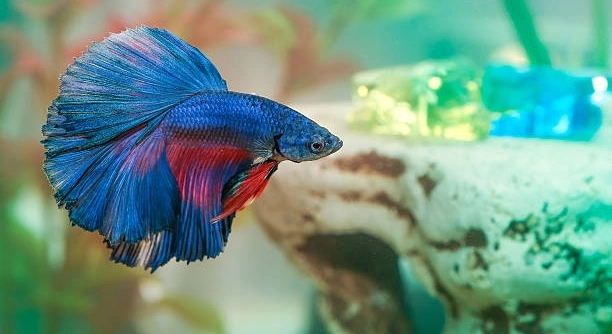
As your betta ages, their needs and behavior can change. Recognizing the signs of an aging fish can help ensure their well-being and provide proper care during this time.
Betta fish typically show signs of aging through slower movement, faded coloration, and changes in appetite. They may also exhibit reduced activity levels and an increased tendency to hide. Addressing these signs early helps maintain their health.
Knowing how to care for your betta as they age can improve their quality of life and longevity.
Slower Movement and Reduced Activity
As bettas age, they may become less active and move slower than they once did. This is a common sign of aging, as their energy levels decrease. Older bettas often swim less, spend more time resting at the bottom of the tank, or hide in the plants. These changes are a natural part of aging, but it is essential to monitor their behavior closely. If the inactivity becomes excessive or is accompanied by other concerning signs, it might indicate underlying health issues.
Keeping an eye on your betta’s movement is key. If you notice a significant decrease in activity or if your betta seems to struggle with swimming, you may need to adjust their tank environment. Providing a quiet, stress-free space can help them feel more comfortable as they age.
In addition, keeping their tank clean and providing a balanced diet is essential. As your betta ages, their immune system weakens, making them more vulnerable to illness. A clean environment and nutritious food can help minimize these risks. Regular water changes and careful monitoring of their health will ensure their comfort and well-being as they grow older.
Faded Coloration
Bettas are known for their vibrant colors, but age can cause their hues to fade. Older bettas may lose some of the intensity in their fins and body, resulting in a more muted appearance. This fading is a normal part of aging.
While fading coloration isn’t always a cause for concern, it can signal stress or illness. If the color loss is sudden or accompanied by other symptoms, such as lethargy or loss of appetite, it’s best to check the water parameters and overall health of the fish. Proper care, including a stable environment and consistent diet, can help slow down the fading process.
Age-related fading doesn’t mean your betta is suffering, but it can be an early indication that their physical health is changing. Adjusting their care to fit their aging needs can keep them comfortable in their later years.
Decreased Appetite
As bettas age, they may lose interest in food, eating less frequently or becoming picky. A decrease in appetite is a natural part of the aging process. This can be frustrating but is usually not a cause for concern unless other symptoms appear.
If your betta refuses food, try offering different types of food, such as live or frozen options. If they continue to ignore food, check the water quality and temperature, as poor conditions can cause stress and loss of appetite.
It’s important to ensure the food is appropriate for their age. Older bettas may have more difficulty processing certain foods, so switching to softer or smaller pieces can help. If the issue persists, it might indicate an underlying health problem.
Difficulty Breathing
As bettas age, their gill function can decline, causing them to breathe more heavily or swim near the surface. This behavior often indicates a decline in overall health or the need for improved water conditions.
To address this, monitor the oxygen levels in the tank. Ensure proper filtration and avoid overcrowding to promote a healthier environment. Poor water quality can make it harder for older bettas to breathe comfortably, which is why regular water changes are important.
If you notice persistent heavy breathing, it’s essential to evaluate other factors like water temperature and tank cleanliness. A betta may also become stressed if kept in a small, unclean tank, making breathing more difficult. Providing a peaceful, well-maintained environment will improve their comfort.
Increased Hiding Behavior
Older bettas often hide more than younger fish. This can be due to a decrease in energy or an attempt to escape any stressors in the environment. They may prefer to rest in plants or decorations.
It’s important to monitor the tank for any changes that might be causing stress, such as poor water quality or loud noises. Providing plenty of hiding spots can help them feel secure. If they are hiding more than usual, this could also indicate health issues, such as discomfort or illness.
Reduced Aggression
As bettas age, they tend to become less territorial and aggressive. This change in behavior can be a relief if you are worried about their interactions with other tank mates.
Older bettas are often less likely to engage in fights, and they may prefer to avoid confrontations altogether. This is especially true if they have lived in the same tank for a long time. However, it’s essential to still monitor their behavior to ensure that the lack of aggression isn’t due to an underlying issue like weakness or illness.
Swelling or Bloated Belly
If your betta’s belly appears swollen, it could be a sign of constipation, an infection, or a more serious health problem. A bloated belly can happen due to overeating, poor water quality, or other issues.
Check the feeding schedule and water conditions, as constipation can often be managed by adjusting their diet. If the bloating persists, it’s a good idea to separate the betta from other fish to reduce stress and treat the issue more effectively. Keep an eye on their behavior and appetite, as these changes can help determine if the bloating is linked to a more serious issue.
FAQ
What is the average lifespan of a betta fish?
Betta fish typically live between 3 to 5 years, but with proper care, they can live longer. Some bettas may even live up to 7 years, depending on factors like genetics, diet, water quality, and overall care. Age is often noticeable after 2 to 3 years, as their activity levels and physical appearance start to change. Providing a stable and clean environment can help extend their lifespan.
How can I tell if my betta fish is sick?
Common signs of illness in bettas include changes in behavior, such as lethargy or reduced swimming, as well as changes in eating habits. Physical signs like discoloration, swelling, fin damage, or lesions can also indicate illness. Keep an eye on your betta’s fins, gills, and body for any unusual changes. If you notice any of these signs, test the water quality, and seek advice from an aquarium professional if needed.
Can I keep a betta with other fish?
Betta fish are known for being aggressive, especially males, and typically do not do well with other fish that have long, flowing fins. It’s best to keep bettas in a tank with non-aggressive species or with tank mates that have short fins. Female bettas may tolerate other peaceful fish in the same tank, but care should be taken to ensure that no fish trigger the betta’s aggression. If introducing tank mates, always monitor their behavior closely.
How often should I change my betta’s water?
For a betta living in a tank without a filter, water changes should be done every 2 to 3 days. For a filtered tank, changing 25-50% of the water once a week is typically sufficient. Regular water changes help maintain water quality and reduce the risk of harmful toxins building up in the tank. Be sure to use water conditioner to remove chlorine and other chemicals from tap water before adding it to the tank.
Is it normal for my betta to rest at the bottom of the tank?
Resting at the bottom can be normal behavior for a betta, especially as they age or feel more secure. However, if your betta is spending excessive time at the bottom and showing signs of lethargy or difficulty swimming, it may be a sign of an issue. Monitor their activity, and make sure the water temperature is appropriate, as cold water can cause sluggishness. If they seem weak or sick, seek further advice.
What temperature should my betta’s tank be?
Betta fish are tropical fish and require warm water to thrive. The ideal temperature for a betta tank is between 76°F to 80°F (24°C to 27°C). Anything lower than 76°F can cause the betta to become sluggish and more prone to illness. Use a reliable aquarium heater to maintain a consistent temperature, as sudden changes can stress your fish and affect their health.
Can bettas live in small tanks?
While bettas are often kept in small tanks or bowls, it’s best to provide them with at least a 5-gallon tank to allow them space to swim. A larger tank helps with water quality and reduces the need for frequent water changes. Additionally, a more spacious tank provides a healthier environment, as bettas can easily become stressed in confined spaces. A larger tank also offers more room for decorations and plants for hiding.
Why is my betta fish not eating?
Loss of appetite in bettas can be due to several factors, including poor water quality, stress, or illness. If your betta is refusing food, check the tank conditions, such as temperature, pH, and cleanliness. Sometimes bettas will fast for a day or two if they are stressed or adjusting to a new environment. If the refusal to eat continues for several days, it could indicate an underlying health issue that needs attention.
How can I tell if my betta is aging?
Signs of an aging betta include decreased activity, loss of vibrancy in color, slower movements, and an overall less aggressive behavior. They may also spend more time hiding or resting. While older bettas may not be as active or colorful as younger ones, they can still live comfortably with the proper care. Keeping their tank clean and providing nutritious food can help them remain healthy as they age.
Can I breed my betta fish?
Breeding bettas requires careful planning. Only healthy, mature bettas should be considered for breeding, typically around 6 to 12 months old. Female bettas are less aggressive and can be housed with males for breeding purposes. However, you need to ensure that the tank is properly set up for breeding and that both the male and female are ready. It’s also important to prepare for the responsibility of raising the fry. Breeding bettas should only be done by experienced fish owners who understand the process and commitment involved.
Why does my betta flare at its reflection?
Betta fish are territorial by nature, and flaring is a natural behavior used to establish dominance. When your betta sees its reflection, it may flare its fins and display its colorful markings as a way to defend its space. This behavior is common, but excessive flaring can stress your betta, so it’s best to minimize their exposure to mirrors or reflective surfaces. Providing plenty of hiding spots and maintaining a peaceful environment can reduce stress.
How can I care for my betta’s fins?
Betta fish have delicate fins that are prone to tearing or fraying. To keep your betta’s fins in good condition, avoid sharp objects in the tank and ensure that the water quality is pristine. Bettas should also be kept in a tank with no tank mates that might nip at their fins. Regular water changes and a healthy diet will also help maintain strong, beautiful fins. If your betta’s fins become damaged, keep an eye on them for any signs of infection or further damage.
Final Thoughts
As bettas age, their behavior and physical appearance will change. These changes are a natural part of their life cycle, and while some may be concerning, they are often not a sign of immediate trouble. Monitoring their behavior and keeping track of any changes in appetite, activity level, or health is essential to ensuring they remain comfortable. With the right care and attention, older bettas can live healthy lives.
Pay close attention to the water quality and temperature, as older bettas are more sensitive to their environment. A stable tank with clean water will help keep them active and prevent health problems. Regular water changes and maintaining the right temperature are simple ways to support their health. Also, adjusting their diet to accommodate their age and activity level can make a noticeable difference. Overfeeding or underfeeding can both lead to issues, so it’s important to provide balanced meals.
Ultimately, keeping an eye on your betta’s overall behavior and well-being is key to providing the best care. While age may bring some challenges, the rewards of having a healthy, aging betta are worth the effort. Being patient and responsive to their needs, whether it’s adjusting their tank setup or offering a different type of food, will help them thrive. It’s also important to remember that they will need a peaceful environment as they age. Stress can worsen any issues they may face. By making small changes and paying close attention to their needs, you can ensure that your betta lives out its years happily and healthily.

Hello,
If you enjoy the content that we create, please consider saying a "Thank You!" by leaving a tip.
Every little bit helps us continue crafting quality advice that supports the health, happiness, and well-being of pets around the world, for pets of all shapes, sizes, and species.
We really appreciate the kindness and support that you show us!