
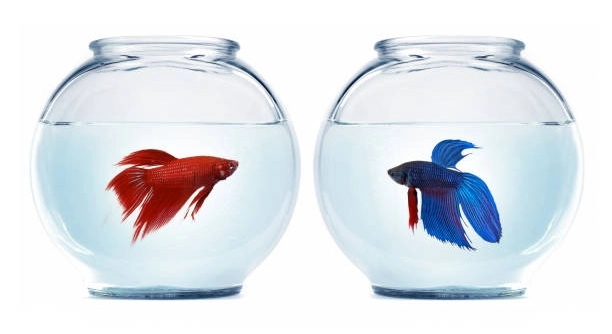
Creating a betta planted tank can be an exciting and rewarding project. These vibrant fish thrive in well-planted environments, and setting up the right habitat for them doesn’t have to be difficult.
To create a successful betta planted tank, you need to choose the right plants, equipment, and substrate to suit both the betta and the plants. Proper care and attention to water parameters are crucial to ensure a healthy ecosystem for your betta.
With these steps, you’ll be able to create a beautiful and thriving tank. We’ll guide you through selecting plants, setting up the tank, and maintaining the perfect environment for your betta fish.
Step 1: Selecting the Right Tank Size
When setting up a betta planted tank, choosing the correct tank size is crucial. Bettas are relatively small fish, but they still need space to swim and explore. A 5-gallon tank is generally recommended for a single betta, though bigger is always better if you plan to add plants and other decorations. A larger tank offers more stability in water conditions, making it easier to maintain healthy water parameters.
Smaller tanks may require more frequent water changes and careful monitoring of water quality. A 10-gallon tank can be ideal for creating a more natural environment, giving your betta room to swim and plants the space they need to grow.
A well-sized tank also allows for better filtration and aeration, both of which are essential to keeping your betta and plants healthy. Keep in mind that the bigger the tank, the more options you have for plant variety and tank decoration. Bettas thrive in a spacious and enriching environment, so ensure you choose a tank that fits your plans.
Step 2: Choosing the Right Plants
Picking the right plants is an important part of creating a beautiful betta tank. Some plants are more suitable for a betta-friendly environment than others.
Aquatic plants such as Anubias, Java Fern, and Hornwort are great choices for a betta tank. These plants are easy to care for and can thrive in a variety of water conditions. They also provide hiding spots, which is important for your betta to feel secure. Plants not only beautify the tank but also help keep the water clean by absorbing excess nutrients and providing oxygen.
It’s essential to avoid plants with sharp edges that may harm your betta’s delicate fins. Also, remember to consider the lighting needs of your plants. Some plants need low light, while others require more intensity to grow well. It’s crucial to match the right plants with your tank’s lighting system for healthy growth.
Step 3: Adding Substrate and Decorations
The substrate in your betta planted tank plays an essential role in the health of both your betta and your plants. Choose a nutrient-rich substrate that supports plant growth, like aquarium soil or nutrient capsules. This provides your plants with the minerals they need to thrive. Avoid using sharp gravel that could injure your betta’s fins or cause discomfort.
Decorations such as driftwood, rocks, or caves are also important for creating a natural habitat. Make sure any decorations are smooth and free of rough edges that could harm your betta. Decorations should offer hiding spots for your fish, but they shouldn’t overcrowd the tank. Bettas enjoy having places to hide when they feel stressed, but they also need space to swim.
A balanced layout with plants, decorations, and open swimming space creates a harmonious environment for both your betta and the plants. Remember to allow your betta room to move freely and to monitor the tank for any sharp objects that could cause harm. When done properly, the tank setup will offer a beautiful and safe environment for your fish to enjoy.
Step 4: Setting Up the Right Filtration System
Filtration is key to keeping your betta tank clean and healthy. Bettas don’t like strong currents, so you’ll need a filter that is gentle enough for them. A sponge filter or a filter with an adjustable flow rate is ideal, as it provides adequate filtration without creating a strong current that could stress your betta.
Keep in mind that bettas prefer calm waters, so the filter should not cause excessive water movement. Proper filtration ensures that harmful toxins, such as ammonia and nitrates, are removed from the water, which is vital for the health of both your betta and the plants.
Choose a filter that’s designed for smaller tanks, typically in the 5 to 10-gallon range. A good filter will also promote oxygen exchange, which is essential for your betta and the plants to thrive. Check the filter regularly and replace the media as needed to maintain water clarity and quality.
Step 5: Maintaining Ideal Water Conditions
Maintaining the right water conditions is essential to keeping both your betta and plants healthy. Bettas prefer water that is between 75°F and 80°F, with a slightly acidic to neutral pH (around 6.5 to 7.5). Regular water changes are necessary to prevent the buildup of toxins and maintain the right water quality.
In addition to regular water changes, it’s important to monitor the water’s hardness and ammonia, nitrite, and nitrate levels. A water test kit can help you keep track of these parameters. Keeping the tank free from debris and leftover food will also help in maintaining water quality.
Proper water maintenance ensures that your betta will remain active and colorful, while your plants will continue to grow and thrive. It’s important to stay on top of water changes and filtration to keep everything in balance.
Step 6: Introducing Your Betta
When everything is set up, it’s time to introduce your betta to its new home. Before placing your betta into the tank, ensure that the water temperature and pH are stable. Acclimate your betta slowly to avoid shock. You can do this by floating the bag containing your betta in the tank for about 15 minutes, allowing it to adjust to the water temperature.
Bettas are territorial fish, so be mindful of tank mates. If you’re planning to keep other fish, make sure they’re compatible with bettas. Avoid adding aggressive or fin-nipping fish, as these could stress your betta.
Once your betta is in the tank, observe its behavior closely. Bettas are known for their unique personalities, and some may take a little time to adjust. Make sure your betta has plenty of hiding spots and is able to explore its new environment peacefully.
Step 7: Routine Care and Maintenance
To keep your betta planted tank thriving, routine care is necessary. Regular water changes, around 20% to 25% each week, will help maintain the water quality and prevent any harmful build-up. Keep an eye on your plants to ensure they are growing well and remove any dead or decaying leaves.
Your filter needs regular cleaning too, as debris can accumulate in the filter media and reduce its effectiveness. Trim any overgrown plants to prevent them from taking over the tank and obstructing swimming space for your betta.
With consistent care, your betta planted tank will remain a beautiful and healthy environment. Don’t forget to check water parameters frequently and adjust the setup if needed. Keeping your tank in balance will ensure both your betta and plants continue to thrive.
Water Temperature and Heating
Bettas are tropical fish, so maintaining a stable water temperature is crucial. The ideal range is between 75°F and 80°F. A reliable aquarium heater will help regulate the water temperature and keep it within the right range.
Ensure your heater is suitable for the size of your tank. It’s also a good idea to use a thermometer to monitor the water temperature consistently. Sudden temperature fluctuations can stress your betta, leading to health issues. Keep the tank in a room where the temperature remains stable, avoiding drafts or direct sunlight, which can cause temperature swings.
Heating is not just for comfort. It also helps maintain the necessary biological processes in the tank, such as nutrient cycling and plant growth. A heater with a thermostat will automatically adjust to maintain the correct temperature, providing a stress-free environment for your betta. Regular checks will help avoid overheating or underheating, both of which can be harmful.
Lighting for Your Tank
Lighting plays a significant role in plant growth and the overall atmosphere of your tank. Most plants in a betta tank require low to moderate light. A simple LED aquarium light with a timer can ensure your plants receive the light they need without overwhelming your betta.
Light cycles should mimic natural day and night patterns. Providing 8 to 10 hours of light each day is ideal, as it supports plant photosynthesis and helps maintain a natural rhythm for your betta. Keep the lighting intensity in check to avoid algae growth, which can cause imbalances in the tank.
Bettas don’t require intense lighting, and too much can stress them. Avoid placing your tank in direct sunlight, as it can lead to overheating and excessive algae growth. A gentle light source will keep both your plants and betta happy, while also enhancing the visual appeal of your aquarium.
Fertilization for Plants
While your betta will benefit from a clean tank, your plants also need nutrients to grow well. A nutrient-rich substrate, combined with occasional liquid fertilizers, can help provide the minerals and nutrients your plants need.
Depending on the type of plants in your tank, you might need to supplement the nutrients in the water. Use a balanced liquid fertilizer designed for aquarium plants. Be careful not to over-fertilize, as excess nutrients can cause algae blooms, which can harm both your plants and betta.
Root tabs can also be useful if you have plants that rely on nutrients from the substrate, like Amazon Swords. These tabs provide slow-released nutrients directly to the plant roots, ensuring healthy growth. Keep an eye on plant health and adjust your fertilization routine as needed to maintain a balanced ecosystem.
Tank Maintenance and Cleaning
Regular maintenance is crucial for keeping your betta planted tank healthy. Weekly water changes of 20-25% will prevent the build-up of toxins. Clean the tank walls, remove any dead plant matter, and check filter media to ensure everything runs smoothly.
For deeper cleaning, scrub algae off the glass and vacuum the substrate to remove debris. Avoid disturbing the plants too much. Keep an eye on the filter and ensure it’s not clogged. Keeping the tank tidy helps maintain water quality, which is vital for your betta and plants’ overall health.
Water Testing and Monitoring
To ensure optimal water conditions, it’s important to regularly test for ammonia, nitrite, and nitrate levels. A simple test kit can help monitor these parameters. Bettas and plants both require stable water conditions, so check these levels every week.
Also, testing the pH and water hardness is necessary to ensure the environment remains within the ideal range for both your betta and plants. By staying on top of these tests, you’ll catch any imbalances early, allowing you to make adjustments before they become serious problems. Monitoring water quality is a routine part of tank care.
Choosing Compatible Tank Mates
If you plan to add other fish or creatures, choose tank mates that are peaceful and won’t bother your betta. Species like snails, shrimp, or small tetras work well. Avoid fin-nipping fish that might stress your betta. Compatibility is key for a harmonious tank environment.
FAQ
Can I keep multiple bettas in the same tank?
It’s not recommended to keep multiple male bettas in the same tank, as they are territorial and can become aggressive toward each other. If you wish to keep more than one betta, it’s safer to keep them in separate tanks or provide a divided tank with plenty of space and visual barriers. Female bettas can sometimes be kept together, but it’s important to observe them closely for any signs of aggression. Make sure your tank is large enough to provide sufficient space for each betta.
How many plants should I have in my betta tank?
The number of plants you need depends on the size of your tank and the kind of plants you choose. Generally, a betta tank should have enough plants to provide hiding spots, natural filtration, and a sense of security for your betta. In a 5 to 10-gallon tank, having 3 to 5 medium-sized plants should be sufficient to create a balanced environment. You can also add some smaller plants like moss or floating plants for added coverage.
What are the best plants for a betta tank?
Some of the best plants for a betta tank include Anubias, Java Fern, Amazon Sword, and Marimo Moss Balls. These plants are not only easy to care for, but they also provide your betta with places to hide and rest. Floating plants like Water Sprite or Hornwort are great choices too, as they help maintain the right water conditions and give your betta a natural environment. When selecting plants, be sure to avoid those with sharp edges that might damage your betta’s delicate fins.
Do I need a filter for a betta tank?
Yes, a filter is essential to keep the water clean and maintain a stable environment. However, bettas do not like strong currents, so it’s important to choose a filter that provides gentle filtration. Sponge filters or filters with adjustable flow rates are ideal for bettas. A good filter helps remove debris, excess nutrients, and toxins from the water, which keeps both your betta and plants healthy. Just make sure the filter’s flow doesn’t create too much movement in the tank.
What temperature should the water be for a betta fish?
Bettas thrive in warm water, and the ideal temperature range for them is between 75°F and 80°F (24°C to 27°C). Consistent temperature is key, as sudden changes can cause stress or health issues. Use a reliable aquarium heater to maintain the right temperature, and consider placing a thermometer in the tank to monitor it. Avoid placing the tank in areas with temperature fluctuations, like near windows or air conditioners.
Can I keep snails or shrimp with my betta?
Yes, snails and shrimp can be good tank mates for bettas, as long as they are not too small or overly active. Snails like Nerite or Mystery Snails are excellent choices, as they help clean up leftover food and algae. Shrimp, like Amano or Cherry Shrimp, can also coexist peacefully with bettas. However, be aware that some bettas might try to chase or nibble on the shrimp. If you notice this happening, it’s best to separate them. Snails, on the other hand, are usually safe from bettas.
How often should I change the water in a betta tank?
You should change about 20% to 25% of the water in your betta tank every week. Regular water changes are necessary to keep the water clean and free from harmful toxins like ammonia and nitrates. If your tank is smaller, you might need to change the water more frequently, while larger tanks may require less frequent changes. Always use a water conditioner to remove chlorine or chloramine before adding fresh water.
Can I use tap water in my betta tank?
Yes, you can use tap water for your betta tank, but it’s essential to treat it first. Tap water often contains chlorine or chloramine, which can harm your fish. Use a water conditioner to neutralize these chemicals before adding it to your tank. You should also test the water’s pH, hardness, and other parameters to ensure they are within the ideal range for your betta. Some tap water may be too hard or too soft, so adjustments might be necessary.
How do I know if my betta is stressed?
A stressed betta will show a variety of signs, including faded colors, erratic swimming, hiding frequently, or flaring its fins at its reflection or other fish. Stress can be caused by poor water quality, sudden temperature changes, overcrowding, or incompatible tank mates. If your betta exhibits these behaviors, check your tank conditions and make sure the water parameters are stable. Providing hiding spots and minimizing stressors in the tank can help your betta feel more secure.
What kind of substrate is best for a betta tank?
For a betta planted tank, a nutrient-rich substrate is ideal for supporting plant growth. Aquarium soil or specialized plant substrates are perfect because they provide the necessary nutrients for your plants to thrive. If you’re not focusing on heavy planting, a fine gravel or sand substrate can also work, but make sure it’s smooth to avoid hurting your betta’s delicate fins. Avoid using sharp, coarse gravel that could injure your betta.
How long do bettas live in a planted tank?
Bettas typically live for 3 to 5 years, though some may live even longer with proper care. A planted tank provides an ideal environment for them, as it helps maintain better water quality and offers hiding spots, which reduce stress. With good water maintenance, a stable temperature, and a healthy diet, your betta can enjoy a long and healthy life in a planted tank.
Can I use a thermometer to measure water temperature?
Yes, using a thermometer is a simple and effective way to monitor your tank’s temperature. Stick-on or floating thermometers are both good options. It’s essential to keep the water temperature stable for your betta’s health, so having an accurate thermometer ensures you can spot any temperature fluctuations early. Check the temperature regularly to avoid stressing your fish.
What do I feed my betta?
Bettas are carnivores, so they require a diet that’s high in protein. High-quality betta pellets or flakes are designed to meet their nutritional needs. Supplement their diet with frozen or live foods like bloodworms, brine shrimp, or daphnia to offer variety. Avoid overfeeding, as uneaten food can pollute the water and lead to health issues. Feed your betta once or twice a day, and remove any uneaten food after a few hours.
Do I need a lid on my betta tank?
A lid or cover is important for a betta tank to prevent your fish from jumping out. Bettas are known to jump, especially when they feel threatened or stressed. A secure lid will help keep your betta safe inside the tank. Make sure the lid has ventilation holes to allow for proper gas exchange.
Final Thoughts
Setting up a betta planted tank can be a rewarding experience, but it requires careful planning and attention to detail. Choosing the right tank size, plants, and decorations is essential for creating a balanced environment where your betta can thrive. By providing hiding spots, soft substrates, and the appropriate plants, you’ll not only make the tank visually appealing but also offer a space where your betta can feel secure and healthy. A properly maintained tank with good water conditions is key to ensuring your betta remains vibrant and active.
One of the most important aspects to focus on is maintaining water quality. Regular water changes, monitoring parameters like pH and temperature, and ensuring proper filtration are all necessary for a healthy tank. Bettas are sensitive to changes in water conditions, so consistency is vital. Having a good routine for cleaning the tank, checking the water, and removing waste will help you avoid common issues such as algae growth or water toxicity. Don’t forget about the importance of the right tankmates if you decide to add any, as bettas are territorial and may not get along with every species.
Lastly, the plants in your betta’s tank play a huge role in both the aesthetic and health of the tank. Plants help to oxygenate the water, reduce toxins, and offer a natural space for the betta to explore. Whether you choose low-maintenance plants like Java Fern or something more elaborate, like Amazon Swords, make sure they are suited to the water conditions in your tank. Proper lighting, occasional fertilization, and regular pruning will keep your plants healthy, contributing to the overall well-being of the tank. By balancing all these elements, you’ll create a thriving environment for your betta to enjoy for years to come.

Hello,
If you enjoy the content that we create, please consider saying a "Thank You!" by leaving a tip.
Every little bit helps us continue crafting quality advice that supports the health, happiness, and well-being of pets around the world, for pets of all shapes, sizes, and species.
We really appreciate the kindness and support that you show us!