
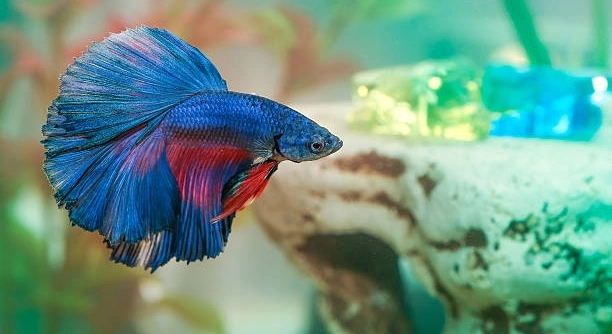
Cycling a Betta tank is a necessary process for creating a healthy environment for your fish. It ensures the water conditions are stable and free of harmful toxins, helping your Betta thrive. Understanding the steps is key to success.
Cycling your Betta tank involves establishing beneficial bacteria that break down harmful ammonia and nitrites into safer nitrates. This process typically takes 4-6 weeks and requires careful monitoring of water parameters, such as pH, ammonia, nitrite, and nitrate levels.
By following these steps, you can establish a clean and safe tank for your Betta, ensuring its long-term health.
Step 1: Prepare the Tank and Equipment
Before starting the cycling process, ensure your Betta tank is properly set up. Fill it with dechlorinated water, install a filtration system, and add a heater to maintain a stable temperature. Bettas thrive in water temperatures between 75°F and 80°F, so it’s crucial to keep the tank at the right temperature throughout the cycling process.
Once everything is in place, allow the tank to run for at least 24-48 hours before beginning the cycling process. This gives the equipment time to adjust, and you can make any necessary adjustments to the setup. During this time, test the water to confirm that the pH and temperature are within the optimal range.
Starting with a properly set up tank will help ensure the cycling process goes smoothly. Skipping this step can lead to improper cycling, which may stress the Betta fish and affect the tank’s stability.
Step 2: Add Ammonia
Ammonia is essential for the cycling process, as it feeds the beneficial bacteria that will populate your tank. To introduce ammonia, you can either add a pure ammonia solution or use fish food to break down into ammonia over time.
If you are using pure ammonia, aim for a concentration of about 2-3 ppm (parts per million) to start. If you’re using fish food, add a small amount and allow it to decompose naturally. In either case, it’s important to test the ammonia levels regularly. The goal is to keep ammonia levels high enough to promote bacteria growth but not so high that they harm your Betta.
Keep in mind that the ammonia will spike and eventually drop as the bacteria colonies establish themselves. Patience is key.
Step 3: Monitor Ammonia Levels
During the cycling process, you’ll see ammonia levels rise, which is normal. Regularly test the water to track ammonia concentrations, and ensure they stay within the 2-3 ppm range.
If ammonia levels exceed this range, you may need to perform a partial water change to prevent toxicity. Allow the water to stabilize and continue testing it daily. Over time, beneficial bacteria will break down the ammonia into nitrites, signaling that the cycle is progressing. It’s important not to rush the process, as proper bacteria colonization takes time.
Step 4: Add Nitrites
As ammonia levels decrease, nitrites will start to rise. Nitrites are another harmful substance that needs to be broken down. The increase in nitrites signals that the bacteria are doing their job.
At this point, it’s essential to keep monitoring both ammonia and nitrite levels. Nitrites can be just as harmful as ammonia, so it’s crucial to ensure they stay under control. Keep ammonia levels low and watch the nitrite levels carefully. If they get too high, perform partial water changes to prevent toxicity. This stage shows that your tank is maturing, and bacteria are working effectively.
Step 5: Watch for Nitrate Buildup
Once the nitrite levels start to decrease, you’ll begin to notice an increase in nitrates. This is the final stage of the cycling process. Keep an eye on nitrate levels to ensure they don’t exceed safe limits.
Nitrates are less harmful than ammonia or nitrites, but high concentrations can still be stressful for your Betta. Regular water changes will help keep nitrate levels under control. A good goal is to maintain nitrate levels below 40 ppm for optimal water quality. This stage shows the cycle is almost complete and the tank is nearing its peak stability.
Step 6: Perform a Final Water Change
Before introducing your Betta to the tank, perform a large water change to remove excess nitrates. This helps to ensure the water is as clean as possible for your fish.
Removing around 50% of the water should help lower nitrate levels to safe concentrations. After the water change, test all water parameters again, ensuring that ammonia, nitrites, and nitrates are at acceptable levels for your Betta. This step ensures your fish will have a healthy, safe environment when it enters the tank.
FAQ
How long does it take to cycle a Betta tank?
Cycling a Betta tank typically takes 4-6 weeks, depending on factors like water temperature and the amount of beneficial bacteria. It’s important to be patient during this time and let the tank cycle fully before adding your Betta. If you rush it, the water conditions may not be stable, which could harm your fish. Monitoring ammonia, nitrite, and nitrate levels regularly will help you track the progress and know when it’s safe to introduce your Betta.
Can I cycle a Betta tank without fish?
Yes, you can cycle a Betta tank without fish. This method is called fishless cycling. You add ammonia to the tank to feed the beneficial bacteria, allowing them to grow without putting any fish at risk. This method is less stressful for your Betta, as there’s no risk of exposing them to harmful ammonia or nitrites during the cycling process. Fishless cycling can take about the same amount of time as fish-in cycling but is often a safer choice for the Betta.
How do I know when my Betta tank is fully cycled?
Your Betta tank is fully cycled when ammonia and nitrite levels are consistently at 0 ppm, and nitrate levels are under 40 ppm. This indicates that the beneficial bacteria have fully established themselves and are converting ammonia into nitrites and then into nitrates. You should test your water regularly to make sure the levels remain stable. Once all parameters are in the safe range for several days, it’s safe to add your Betta.
Can I speed up the cycling process?
While you can’t drastically speed up the cycling process, you can take steps to ensure it progresses more smoothly. Keep the tank at the correct temperature, typically between 75°F and 80°F, as warmth promotes bacteria growth. You can also add beneficial bacteria supplements or use filter media from an established tank to jumpstart the process. However, remember that rushing the cycle can result in poor water quality and a stressed Betta.
What should I do if my tank’s ammonia levels are too high?
If ammonia levels become too high during the cycling process, it’s important to act quickly. You can perform a partial water change to dilute the ammonia and reduce its concentration. This will give the beneficial bacteria time to catch up. Keep monitoring ammonia levels closely and continue with water changes as needed. Avoid adding too much ammonia at once in the future, as high concentrations can be harmful to the developing bacteria.
Why is my Betta tank still cloudy during cycling?
A cloudy tank during cycling is common and usually results from a bacterial bloom. As beneficial bacteria establish themselves in the tank, they can temporarily cloud the water. This is a sign that the cycling process is working, but it can take some time for the bacteria to settle. The cloudiness should clear up once the bacteria population stabilizes and the tank finishes cycling.
Can I add live plants to a cycling Betta tank?
Yes, adding live plants can be beneficial during the cycling process. Plants help absorb ammonia, nitrites, and nitrates, which can help stabilize the tank’s water parameters. However, it’s important to ensure that the plants don’t introduce any harmful pests or diseases. Just be aware that adding plants will not replace the need for proper cycling and water testing.
Is it safe to add a Betta to a tank that’s not fully cycled?
It’s not safe to add a Betta to a tank that’s not fully cycled. If the tank isn’t cycled, ammonia and nitrites can build up and harm your Betta, potentially causing stress or even death. Always wait until the tank has gone through the full cycling process, with stable water parameters, before introducing your Betta. A properly cycled tank will provide a safer environment and reduce the risk of harmful spikes in toxins.
Can I cycle a Betta tank with just a filter and no heater?
While it is possible to cycle a Betta tank with just a filter, using a heater is strongly recommended. Betta fish thrive in warm water, and a heater helps maintain a stable temperature, which is important for the bacteria responsible for the cycling process. Without a heater, the water temperature may fluctuate too much, slowing down or even stalling the cycle. Maintaining a consistent temperature between 75°F and 80°F will help ensure the process goes smoothly.
Do I need a test kit to cycle a Betta tank?
Yes, using a test kit is essential when cycling a Betta tank. You need to regularly check the ammonia, nitrite, and nitrate levels to ensure they’re within the safe range for your Betta. Test kits are widely available and typically include test strips or liquid solutions to measure water parameters. Monitoring these levels will help you determine when the cycling process is complete and when it’s safe to add your Betta.
How often should I test the water during cycling?
During the cycling process, you should test the water at least every 2-3 days to track changes in ammonia, nitrite, and nitrate levels. This will help you keep an eye on the progress and ensure the tank is cycling correctly. If you notice any problems, such as ammonia or nitrite spikes, you can take action more quickly. As the cycle progresses and the levels stabilize, you can test less frequently, but regular checks are important during the early stages.
Can I use a Betta filter during cycling?
Yes, you should use a filter during cycling. The filter helps to promote water circulation and provides a surface area for beneficial bacteria to grow. This is crucial for the cycling process, as the bacteria need a surface to colonize. Just be sure to clean the filter regularly to prevent any buildup of debris. A good filter will also help maintain water quality once the cycling process is complete.
What happens if I stop cycling the tank too soon?
If you stop cycling your tank too soon, the bacteria needed to break down ammonia and nitrites may not be fully established. This can lead to toxic water conditions when you introduce your Betta, putting your fish at risk of stress or illness. It’s important to wait until the ammonia and nitrite levels consistently read zero and nitrates are at safe levels before stopping the cycling process. Rushing the cycle can be detrimental to your Betta’s health.
How do I deal with high nitrate levels?
If your nitrate levels are too high, perform a partial water change to lower them. Nitrates can build up over time, especially in a tank that isn’t properly maintained. Using live plants can also help absorb excess nitrates, but regular water changes are the best way to keep them under control. Keeping nitrate levels under 40 ppm is important for the overall health of your Betta.
Final Thoughts
Cycling your Betta tank is an essential process for creating a stable and healthy environment for your fish. While it can take time, ensuring that the ammonia, nitrite, and nitrate levels are at safe levels before introducing your Betta will prevent any stress or harm. A fully cycled tank mimics the natural environment, making it much safer for your Betta to thrive in the long term. Patience is key, as rushing the cycle can lead to water quality issues that may affect your Betta’s health. Remember to regularly test your water to track the progress and make adjustments as needed.
One important thing to note is that while cycling can be done with or without fish, fishless cycling is often the preferred method to avoid exposing your Betta to harmful toxins. During the cycling process, ammonia and nitrites can build up, and high levels of these substances can be dangerous for your Betta. Fishless cycling ensures that the beneficial bacteria are growing without risking the health of your fish. Once the cycle is complete, it’s safe to add your Betta into the tank, knowing that the environment is stable and ready for them.
After cycling, keeping a regular maintenance routine is crucial for the continued well-being of your Betta. Regular water changes, monitoring of water parameters, and proper filtration are key factors in maintaining a healthy tank. The process of cycling might take a few weeks, but it’s an investment in creating a safe, clean environment for your Betta to enjoy. When you follow the steps properly, you’ll be rewarded with a happy, healthy Betta and a stable aquarium environment.

Hello,
If you enjoy the content that we create, please consider saying a "Thank You!" by leaving a tip.
Every little bit helps us continue crafting quality advice that supports the health, happiness, and well-being of pets around the world, for pets of all shapes, sizes, and species.
We really appreciate the kindness and support that you show us!