
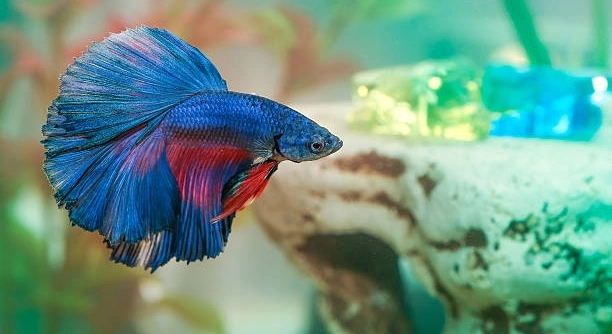
Sick Betta fish can be concerning for any fish keeper. When your Betta shows signs of illness, it’s essential to act promptly to avoid further complications and provide proper care for a speedy recovery.
To handle a sick Betta fish effectively, it is crucial to assess symptoms, ensure proper water conditions, and isolate the fish if necessary. Treatment may involve medications, improved water quality, or dietary adjustments based on the diagnosis.
Taking the right steps will help your Betta recover swiftly, ensuring they stay healthy and happy. Understanding these methods is key to addressing the situation effectively.
Identifying Symptoms of a Sick Betta Fish
A sick Betta fish will usually show clear signs, such as lethargy, loss of appetite, faded colors, or abnormal swimming patterns. Keep an eye out for unusual behavior like rubbing against objects, erratic swimming, or hiding. These signs are crucial for understanding the severity of the issue and how soon action should be taken.
When you spot one or more of these symptoms, it’s important to monitor your Betta closely. Betta fish are sensitive, and what might start as a minor issue can quickly escalate. The sooner you address the symptoms, the better chance your fish has of recovering fully.
Inspect the tank water conditions as well. Poor water quality is often the main factor affecting Betta health. If the water is dirty or has incorrect pH levels, this could worsen the symptoms or even lead to other complications. Regular water changes are essential to maintain a healthy environment.
Isolating Your Betta
If your Betta shows signs of illness, isolate it from other fish immediately. This helps prevent possible spread of diseases.
Isolation allows you to treat your Betta more effectively without interference from other fish. It also reduces stress, which can be detrimental to recovery.
Checking and Improving Water Quality
One of the first steps to take when your Betta shows signs of illness is checking the water quality. Ensure that the water is clean, the temperature is stable, and the pH level is ideal for Betta fish.
A sudden change in water conditions can stress out your Betta and lead to illness. Regularly check the water’s ammonia, nitrite, and nitrate levels. These should be near zero. If the levels are off, perform a water change immediately. Betta fish thrive in water with temperatures between 76°F and 82°F. Too high or too low of a temperature can weaken their immune system.
Use a reliable water testing kit to check the parameters. If the water quality is poor, consider adding a filter if you haven’t already. Avoid overfeeding, as uneaten food can decay in the water, worsening its quality and affecting your Betta’s health.
Providing Proper Nutrition
Feeding your Betta the right food is crucial for recovery. Offer high-quality Betta pellets or frozen food like bloodworms, daphnia, or brine shrimp. Variety helps maintain their health and provides essential nutrients.
Ensure the food you offer is appropriate for Betta fish. Overfeeding can lead to water pollution, while underfeeding can further weaken an already sick Betta. You should feed small amounts and remove uneaten food to prevent water contamination. Healthy, well-balanced nutrition supports their immune system, giving your Betta the strength needed to recover quickly.
Also, avoid giving Betta fish too many live foods, as these can carry parasites or bacteria. Stick to reputable sources for frozen or freeze-dried foods to reduce any risks.
Using Medications and Treatments
If your Betta is ill, you may need to administer medications. These could include anti-parasitic, anti-bacterial, or anti-fungal treatments depending on the symptoms. Follow the instructions carefully.
Be sure to treat your Betta in a separate quarantine tank, especially if you are using medications. Overuse or incorrect doses can harm your fish or the water’s ecosystem. Always consult the product’s label or a veterinarian for guidance on proper application.
Maintaining Tank Temperature
Maintaining a stable water temperature is essential for your Betta’s recovery. Betta fish thrive in warm water, ideally between 76°F and 82°F.
Use an aquarium heater to regulate the water temperature. If the tank is too cold, your Betta’s immune system will be weakened, making it harder for them to recover. Keep an eye on the temperature, as fluctuations can cause stress.
FAQ
What are the signs that my Betta fish is sick?
Betta fish can display several signs of illness. Common symptoms include lethargy, loss of appetite, faded colors, abnormal swimming patterns, or rubbing against objects in the tank. They might also display clamped fins, swelling, or noticeable lesions on their body. These symptoms can indicate different health issues, so it’s crucial to observe your Betta closely.
What should I do if I notice my Betta is sick?
If you notice your Betta showing signs of illness, act quickly. First, isolate the sick fish in a quarantine tank to prevent any potential spread of disease. Check the water quality and make necessary adjustments. Ensure the water temperature is stable, and avoid sudden changes. Consult a veterinarian or refer to appropriate resources to determine the illness and begin treatment.
Can poor water quality make my Betta sick?
Yes, poor water quality is one of the most common causes of Betta fish illness. Ammonia, nitrite, and nitrate levels should be regularly checked. High levels of these chemicals can cause severe stress and weaken your Betta’s immune system, making it more susceptible to diseases. Performing regular water changes and using a filter will help maintain healthy water conditions.
How often should I change the water for my Betta fish?
Betta fish need regular water changes to maintain a healthy environment. In a small tank, a 25-50% water change every week is recommended. For larger tanks, water changes can be less frequent, but it is still important to test the water regularly for ammonia, nitrites, and nitrates. Always replace the water with treated water to avoid introducing harmful chemicals or chlorine.
What should I feed my sick Betta?
When your Betta is sick, feed them high-quality food that is easy to digest, such as Betta pellets or frozen foods like bloodworms or brine shrimp. It’s important to avoid overfeeding, as uneaten food can pollute the water and further harm your Betta. Offer small amounts, and remove any leftover food after a few hours.
Is it okay to treat my Betta with medications at home?
Yes, you can treat your Betta at home, but it’s important to use the right medications and follow the instructions carefully. Medications for Betta fish can be purchased at pet stores or online. Be sure to isolate your Betta in a separate quarantine tank during treatment. Incorrect dosages or wrong treatments can harm your fish or make the problem worse.
What should the water temperature be for a Betta fish?
Betta fish thrive in warm water, with temperatures between 76°F and 82°F. If the water is too cold, their metabolism slows down, and their immune system weakens, making them more susceptible to illnesses. Use a reliable aquarium heater to maintain a stable temperature and avoid fluctuations.
How do I prevent my Betta from getting sick?
The best way to prevent Betta fish from getting sick is to provide a stable and clean environment. Regular water changes, proper filtration, and maintaining a consistent water temperature are key. Feed your Betta a balanced diet and avoid overcrowding the tank. Keeping the tank free of debris and performing routine health checks will help keep your Betta healthy.
Can Betta fish get diseases from other fish?
Yes, Betta fish can contract diseases from other fish. If you have multiple fish in a tank, diseases can spread quickly, especially if they share the same water. It’s important to quarantine new fish before introducing them into the tank and regularly check all fish for signs of illness.
Should I remove a sick Betta from the tank?
Yes, it’s recommended to remove a sick Betta from the main tank. Isolating them in a quarantine tank prevents the spread of potential diseases and reduces stress for the sick fish. It also allows you to closely monitor their condition and administer treatment without interference from other tankmates.
How do I treat a Betta fish with fin rot?
Fin rot is a bacterial infection that can affect Betta fish. If your Betta shows signs of fin rot, such as frayed or discolored fins, it’s important to treat the water with an antibacterial medication. Isolate the Betta in a separate tank, maintain clean water, and ensure the water temperature is within the proper range.
Can I use salt to treat my Betta fish?
Yes, aquarium salt can be used to treat minor Betta fish ailments, such as external parasites or skin injuries. Dissolve the salt in the water following the correct dosage instructions. However, do not use salt if your Betta is already stressed or has open wounds. Always monitor closely when using salt treatments.
What should I do if my Betta has swim bladder disease?
Swim bladder disease causes Betta fish to have difficulty swimming and staying balanced in the water. To treat this, adjust your Betta’s diet by offering them high-quality food that is easier to digest, like frozen daphnia. In some cases, the swim bladder issue may resolve by itself if the Betta has a healthy diet and clean water. If the problem persists, consult a vet for further treatment.
How can I reduce stress in my Betta fish?
Betta fish can get stressed due to poor water quality, temperature fluctuations, or aggressive tank mates. To reduce stress, ensure the tank is clean, the temperature is stable, and there are no sudden environmental changes. Avoid overcrowding and provide hiding spots in the tank. A calm environment will help your Betta stay healthy.
Is it safe to add other fish to a Betta’s tank?
Betta fish are known to be aggressive, especially towards other males. It’s best to avoid adding other fish to the tank, or if you do, ensure they are peaceful species that won’t compete for territory. Avoid placing fish with long, flowing fins, as Betta fish may become territorial. Always monitor interactions closely.
Final Thoughts
Caring for a sick Betta fish requires a combination of prompt action and proper care. The health of your Betta depends on factors like water quality, diet, and a stable environment. Monitoring these aspects closely can help identify issues early and prevent further complications. Addressing water quality issues, such as ammonia or nitrite spikes, can make a significant difference in your Betta’s recovery. Regular water changes, checking water parameters, and maintaining the right temperature are essential for a healthy fish. Make sure to isolate your Betta if it shows signs of illness to avoid affecting other tank mates.
Proper nutrition is another crucial factor. Sick Bettas need a diet that’s easy to digest, such as high-quality Betta pellets or frozen food like bloodworms and brine shrimp. Overfeeding can lead to poor water quality and further stress your Betta, so feed them in small amounts and remove uneaten food. In addition, consider adding supplements or medicated foods if necessary. It’s important to avoid live food sources that could carry parasites or bacteria, as they might worsen the health problem.
While medications can sometimes help treat illnesses, it’s important to follow instructions carefully to avoid further harm. Treating Betta fish at home is possible but requires the correct approach and understanding of the illness. Always monitor the water quality and temperature during the treatment process. If you are unsure, consulting a veterinarian with experience in fish health is always a good idea. By addressing these factors, you can ensure your Betta’s recovery and keep them healthy in the long term.

Hello,
If you enjoy the content that we create, please consider saying a "Thank You!" by leaving a tip.
Every little bit helps us continue crafting quality advice that supports the health, happiness, and well-being of pets around the world, for pets of all shapes, sizes, and species.
We really appreciate the kindness and support that you show us!